If you wonder what is the bioeconomy, here is the short answer: it is the part of the economy that makes food, materials and energy from renewable biological resources. This guide explains the idea, the main sectors and the debates.
| Item | Value |
|---|---|
| EU jobs in biomass producing and converting sectors, 2023 | 17.1 million jobs (7.9% of total EU employment) |
| EU jobs when services are included | 42 to 60 million jobs (19-28% of total EU employment) |
| Value added of all bioeconomy-relevant EU sectors | EUR 1.9-2.7 trillion (11-16% of EU GDP) |
| Latest EU strategy publication date | 27 November 2025 |
| Earlier EU strategies | 2012 and 2018 |
These figures come from the European Commission’s Joint Research Centre and the Commission’s bioeconomy strategy page. They can change as data and methods are updated, so check the source before you rely on them.
What is the bioeconomy, in plain terms?
The bioeconomy is the set of economic activities that rely on biological resources: plants, animals, forests, fish, microbes and the organic waste they leave behind. Instead of starting from oil, gas or coal, these activities start from biomass that can regrow or be recovered.
The European Commission’s strategy page puts it this way: “The bioeconomy encompasses the production of biomass, its conversion into food, materials, and products, as well as the generation of bioenergy.” That sentence already shows how wide the idea is. It covers farms and forests, but also factories, laboratories and energy plants.
Food is part of the bioeconomy. Farming, fishing, forestry and food processing were bio-based long before anyone used the word. What is newer is the push to use the same biological resources for fibres, chemicals, plastics, fuels and medicines, and to do it with better science.
A simple test helps when you meet the term in the news. Ask whether the thing described starts with a living resource, whether it adds value by processing it, and whether the resource can be replaced or regrown. If the answer to all three is yes, you are almost certainly looking at the bioeconomy.
The term also gets stretched. Some speakers use it to mean only high-tech biotechnology, others only to mean renewable energy from crops. Both are slices of a much larger picture that includes ordinary agriculture and forestry.
If you are new to the raw material itself, our explainer on what is biomass is a good companion to this page.
How official bodies define it
There is no single worldwide definition. Different institutions stress different things, and the differences matter when you compare statistics.
- European Commission: focuses on producing biomass and converting it into food, materials, products and bioenergy.
- Global Bioeconomy Summit (2020): takes a broader view that adds knowledge, science, technology and innovation, and stresses conservation and regeneration.
- FAO: reuses the summit wording and adds a definition of a sustainable bioeconomy built around future generations.
The FAO forestry pages quote the summit’s definition, which describes the bioeconomy as “the production, utilization, conservation, and regeneration of biological resources, including related knowledge, science, technology, and innovation, to provide sustainable solutions (information, products, processes and services) within and across all economic sectors”. Notice that it names regeneration, not only use.
The same FAO page defines a sustainable bioeconomy as “the sustainable production, transformation, use and conservation of bioresources without compromising the ability of future generations to meet their own needs.” This is the standard that critics use when they ask whether a given project is truly sustainable or merely bio-based.
The practical lesson is simple. When a report quotes a bioeconomy figure, check which definition sits behind it, because a narrow definition and a broad one can differ by a wide margin.
What the bioeconomy includes
Think of the bioeconomy as a chain. Biological resources are grown or collected, moved, processed, and turned into things people use. Each link has its own industries.
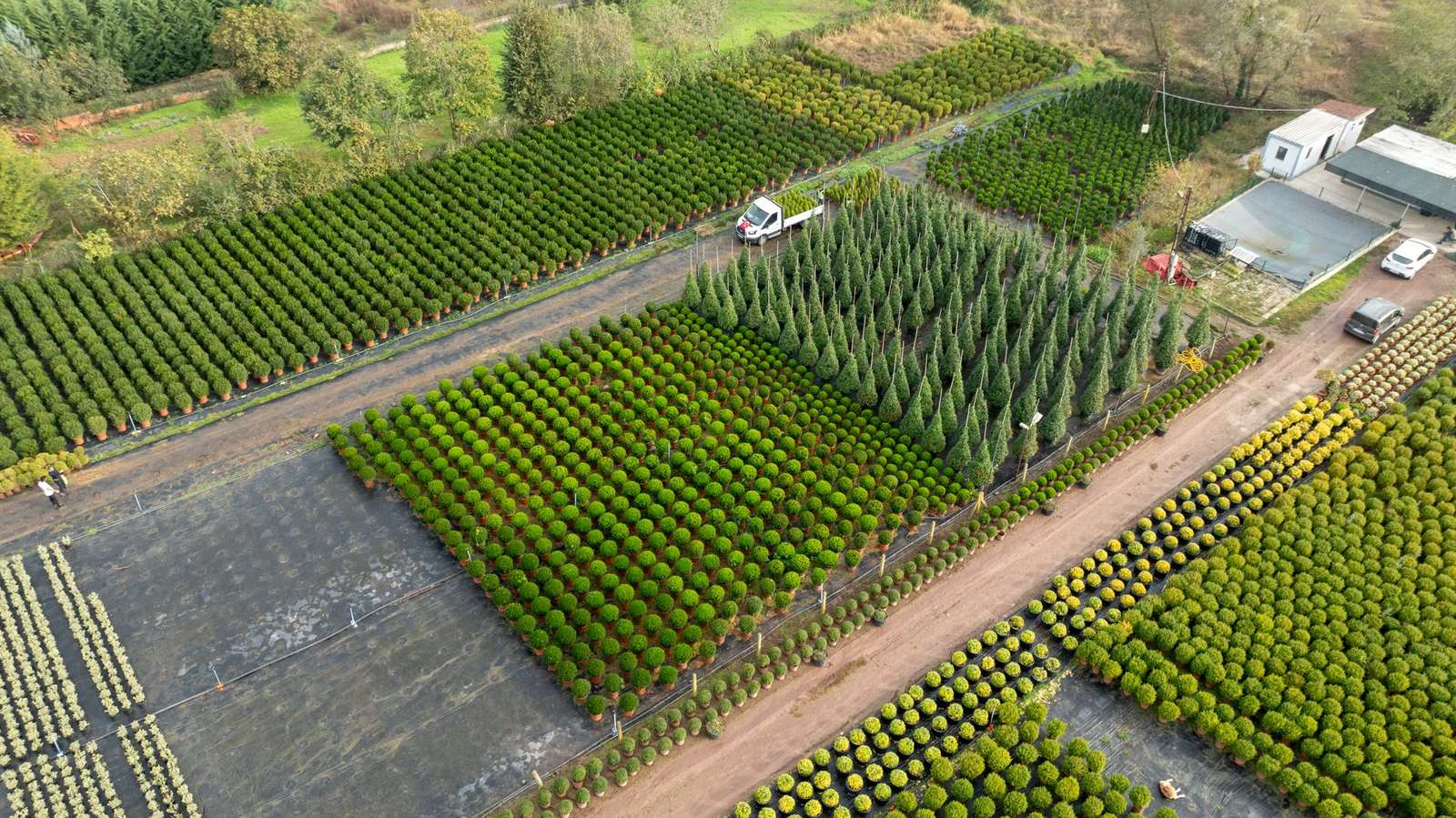
- Primary production: crops, livestock, forestry, fisheries and aquaculture.
- Collection of residues and waste: straw, sawdust, food waste, used cooking oil and manure.
- Conversion: mills, fermenters, enzymatic and chemical processing plants.
- End products: food and feed, paper and timber, textiles, chemicals, plastics, fuels, heat and power.
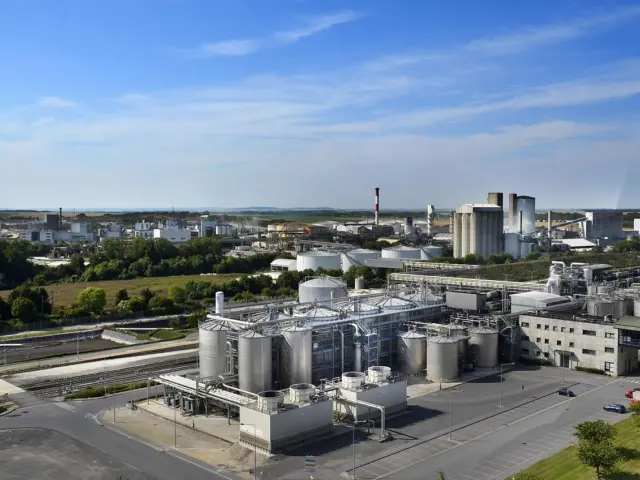
The conversion step is where much of the current innovation happens. Facilities that split biomass into several outputs are called biorefineries, and our guide on what is a biorefinery explains how they work.
Many outputs are everyday items you may not think of as biological. Our list of bio-based products examples shows how far the category stretches, from building materials to cosmetics.
How it differs from a fossil-based economy
A fossil-based economy digs up carbon that has been locked underground for a very long time and burns it or builds products from it. A bio-based economy draws on carbon that plants take from the air within seasons or decades, so the raw material can in principle be renewed.
That difference does not make bio-based goods automatically clean. It only means the raw material is renewable, and the result still depends on farming practices, transport, processing energy and what happens to the product at the end of its life.
The two systems also overlap in practice. Many factories run on a mix of fossil and biological inputs, and a growing number of products are partly bio-based. Understanding the bioeconomy therefore means thinking in shares and trends, not in a strict either-or.
The role of science and biotechnology
The Commission describes its latest strategy as aiming “to capitalise on the biotechnology revolution.” Biotechnology means using living cells, enzymes and biological processes to make useful substances, and it is one of the reasons the bioeconomy is more than traditional farming and forestry.
Examples of how science enters the chain include:
- Breeding and monitoring of crops and trees so that they give higher or more stable yields.
- Enzymes that break plant material down into sugars and other building blocks.
- Microbes that ferment those sugars into chemicals, fuels or proteins.
- Digital tools that track where biomass comes from and how much carbon it carries.
The Global Bioeconomy Summit definition reflects this by naming knowledge, science, technology and innovation as part of the bioeconomy itself, not only the physical resources.
Sectors at a glance
Statisticians usually split the bioeconomy into traditional and emerging sectors. The traditional ones are agriculture, forestry, fishing, food, beverages, tobacco, paper and wood products. Emerging ones include bio-based chemicals, bio-based plastics, enzymes, liquid biofuels and bioelectricity.
Some sectors are only partly bio-based. A textile mill using cotton counts, but one using polyester made from oil does not. Construction, pharmaceuticals and cosmetics are similar: only the share that draws on biological inputs belongs to the bioeconomy.
The Commission’s Joint Research Centre notes that when services are included, “the size of all bioeconomy-relevant sectors is significantly higher.”
Materials and chemicals
Plant sugars, oils and fibres can replace fossil feedstocks in many chemicals. One by-product of paper and wood processing is lignin, a complex plant polymer, and you can read about what is lignin used for if you want an example of a residue gaining a second life.
Plastics are another visible area. Not every bio-based plastic is biodegradable, and not every biodegradable plastic is bio-based, which is why our overview of the types of bioplastics separates the two ideas.
Energy and fuels
Bioenergy is the part of the bioeconomy that overlaps with the energy system. Liquid and gaseous biofuels, biogas and solid biomass for heat all belong here. For the fuel side in depth, see what are biofuels, and for the wider energy picture see what is renewable energy.
Bioenergy is not a separate world from food and materials. The same crops, forests and residues can serve several uses, so choices in one sector affect the others.
How big the bioeconomy is in the EU
The European Union is one of the best-measured cases, because its Joint Research Centre tracks the sector. According to the Centre’s publication on the EU bioeconomy, “In 2023, the biomass producing and converting sectors created 17.1 million jobs, equivalent to 7.9% of total EU’s employment.”
That is the narrow, core measure. The same publication states that when services are included, the bioeconomy-relevant sectors “generated EUR 1.9-2.7 trillion in value added (11-16% of EU’s GDP) and created between 42 and 60 million jobs (19-28% of EU’s total employment).”
Both numbers are legitimate. They answer different questions: the first counts businesses that grow and convert biomass, while the second adds the services that depend on them, such as trade, transport and research.
- Use the narrow figure when you want to know how many people work directly with biomass.
- Use the broad figure when you want to know how far bio-based activity reaches through the economy.
- Never mix the two in one comparison, and always note the year and the scope.
The JRC also reports that the bioeconomy’s socioeconomic indicators “have shown an increasing contribution to GDP and R&D expenditure.”
Reading bioeconomy statistics with care
Numbers about the bioeconomy are easy to misuse because the sector has no single boundary. Before you trust a headline figure, run through a short checklist.
- Scope: does it count only biomass producing and converting sectors, or does it include services?
- Region: does it cover the EU, one country or the whole world?
- Year: is it recent, and has the method changed since the previous report?
- Measure: is it jobs, turnover or value added? These are not interchangeable.
Value added, for example, measures what a sector adds to the economy after subtracting the cost of inputs, while turnover counts total sales. A sector with large turnover can add little value if most of its sales pay for imported inputs.
Jobs can also tell a different story from output. As farms and mills become more efficient, the same output may need fewer workers, so employment and economic contribution do not always move together.
Why the bioeconomy matters
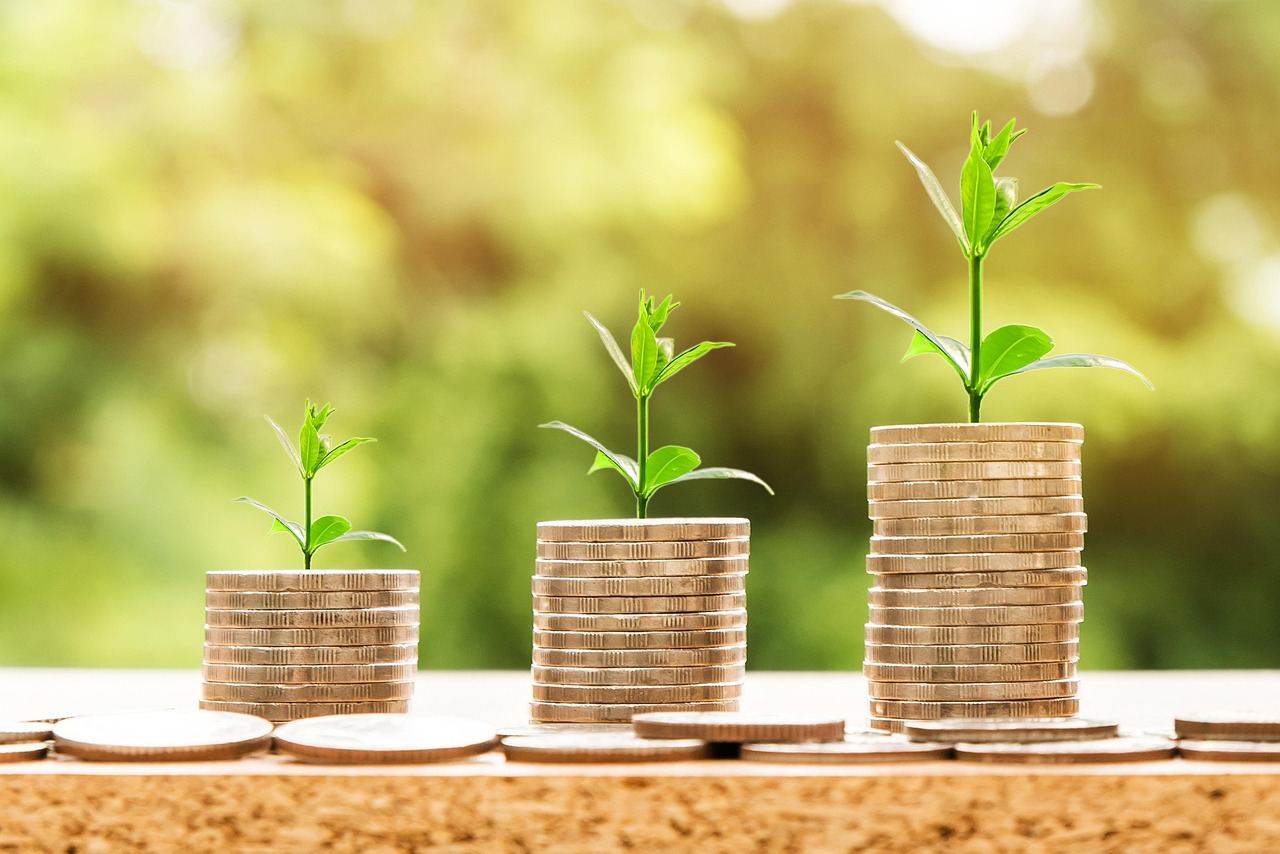
The main argument is that it offers a way to cut reliance on fossil resources while keeping industry running. The Commission states that the bioeconomy “is essential for the EU to reach its climate and energy goals by 2030 and climate neutrality by 2050, while combating biodiversity loss and pollution.”
Three reasons come up most often:
- Climate: biological carbon is part of a short natural cycle, so bio-based products can replace fossil ones that add new carbon to the atmosphere.
- Resilience: locally grown feedstocks can reduce dependence on imported oil and chemicals.
- Rural development: farms, forests and small towns can earn income from residues and new crops.
The Commission also says that “circular and sustainable production, and consumption of biological resources for materials and services, can increase efficiency and reduce pressure on resources.” The idea of keeping materials in use is covered in circular bioeconomy explained.
For ordinary readers the bioeconomy shows up in practical ways. It affects what packaging is on supermarket shelves, what fuel goes into vehicles and aircraft, what the buildings around you are made of, and how food and farm waste is treated.
It also matters for businesses and researchers. Companies that depend on fossil raw materials look for alternatives, farmers look for new markets for residues, and universities and public agencies fund work on better crops, enzymes and processes.
These benefits are not automatic. A bio-based product that needs heavy fertiliser, drains water or replaces a forest can end up worse for the climate and nature than the fossil product it replaces.
Risks and trade-offs
Biological resources are limited by land, water, soil health and biodiversity. If demand for biomass grows faster than sustainable supply, pressure lands on ecosystems and on food systems.
The best-known conflict is over land use for crops that can be food or fuel. The food vs fuel debate sets out the arguments.
Three safeguards are commonly discussed:
- Cascading use: use biomass first for the highest-value purposes, such as long-lived materials, and burn it for energy only at the end of its life.
- Sustainability criteria: set rules on land, carbon and biodiversity for feedstocks.
- Measurement: track impacts over the whole life cycle rather than judging a product only by its raw material.
The FAO definition of a sustainable bioeconomy, quoted above, ties these safeguards to fairness between generations. In other words, a bioeconomy that harms the resource base is not a sustainable one.
How policy shapes the bioeconomy
Governments use strategies to set direction, fund research and attract investment. In the EU, the Commission says the latest document, the Strategy for a Competitive and Sustainable EU Bioeconomy, “was published on 27 November 2025” and “follows the 2012 and 2018 strategies, which achieved significant progress in research and innovation.”
As of that November 2025 publication, the Commission lists as a main goal “Ensuring the long-term competitiveness of the EU bioeconomy and investment security.” It also lists “Increasing resource-efficient and circular use of biological resources.” You can follow how these goals fit with earlier policy in our summary of the EU bioeconomy strategy.
Policy tools usually fall into a few families: research funding, standards and labels for bio-based products, sustainability rules for feedstocks, and incentives for investment. Each has limits. Funding can start a technology, but only markets keep it going, and labels help only if buyers understand them.
The Commission also points to investment. Its page mentions that it launched the Bioeconomy Investment Deployment Group “to help mobilise investments in the sector”.
Other regions publish their own strategies, and international bodies such as the FAO promote shared principles. Because policy changes often, check the official pages for the latest version.
Frequently asked questions
Is the bioeconomy the same as the green economy?
Show answer
No. The green economy is a broad idea about low-carbon, resource-efficient and inclusive growth. The bioeconomy is narrower, because it is defined by the use of biological resources. FAO’s glossary says a sustainable bioeconomy is part of an inclusive green economy.
Does the bioeconomy only mean biofuels?
Show answer
No. Biofuels and bioenergy are one part. The Commission describes the bioeconomy as covering biomass production, conversion into food, materials and products, and bioenergy generation, so food, fibre and chemicals are all included.
Is a bio-based product always sustainable?
Show answer
No. Sustainability depends on how the feedstock is grown, what land it uses and what energy the process needs. That is why sustainability criteria and life-cycle assessments matter alongside the bio-based label.
How many jobs does the bioeconomy provide in the EU?
Show answer
It depends on the scope. The Joint Research Centre reports 17.1 million jobs in the biomass producing and converting sectors in 2023. When services are included, it reports between 42 and 60 million jobs.
Who defines the bioeconomy?
Show answer
No single body does. The European Commission, the Global Bioeconomy Summit and the FAO each use their own wording, and they overlap on biological resources but differ on scope.