Wondering what happens to crop leftovers, food scraps and sawdust? Circular bioeconomy explained: it keeps biological resources in use, turning residues and waste into new materials, fuels and nutrients before anything is thrown away.
This guide builds on the basics of what is the bioeconomy, and looks at the “circular” part.
| Item | Key fact |
|---|---|
| Secondary biomass | Agricultural residues, by-products and organic waste |
| Sectors targeted by the EU strategy | Plastics, chemicals, construction materials, textiles, fertilisers and advanced biomanufacturing |
| Cascading in wood (EEA glossary) | A wood product is used at least once more for material or energy purposes |
| Cascading priority (IEA Bioenergy) | Material use of wood prioritised over energy use |
| Definition status of cascading | No single universal definition |
Sources: the European Circular Economy Stakeholder Platform and the IEA Bioenergy publication on cascading. Policies and definitions change, so check the sources before you rely on them.
What does “circular” mean for biological resources?
A linear system takes a resource, makes a product and discards it. A circular bioeconomy tries to close that loop for resources that come from plants, animals and microbes.
Biological materials have an advantage: they can be regrown, composted or converted. The goal is to use each unit of biomass as fully and for as long as possible.
In practice this means three habits:
- Producing less waste in farming, forestry and food processing.
- Treating leftovers as inputs rather than rubbish.
- Returning nutrients and carbon to soils or into durable products.
Why is the circular bioeconomy worth understanding?
Most people meet it without noticing: a compost bin, a paper recycling bag or a fuel blended from waste oil. Each is a small part of a wider system that treats biology as a supply chain.
It also changes how you read news about climate, farming and industry. A claim about “renewable” materials means more when you ask where the biomass came from and what happens to it afterwards.
Which materials count as secondary biomass?
The European Circular Economy Stakeholder Platform describes the EU’s new Bioeconomy Strategy as promoting the valorisation of secondary biomass, which it lists as “agricultural residues, by-products and organic waste”. It says this lays the groundwork for a true circular bioeconomy (source).
Examples you may recognise include:
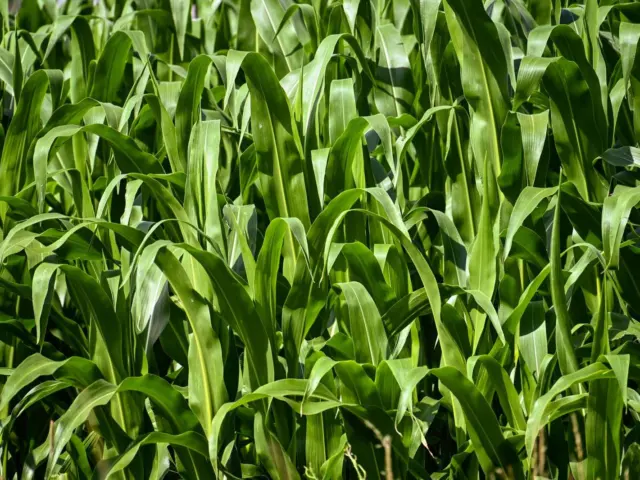
- Straw and husks left after harvest.
- Peels, pulp and pomace from food factories.
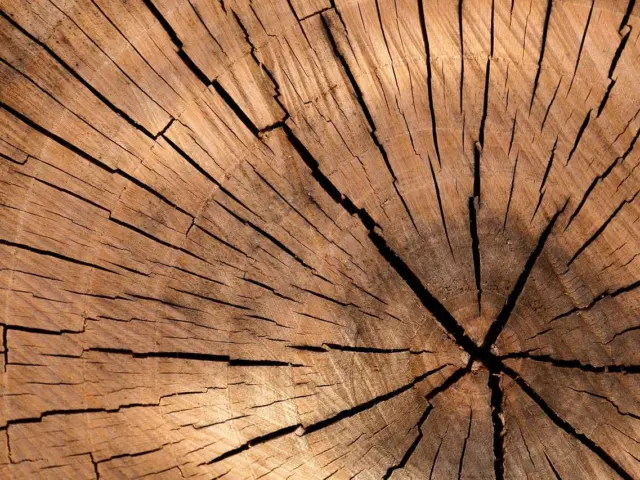
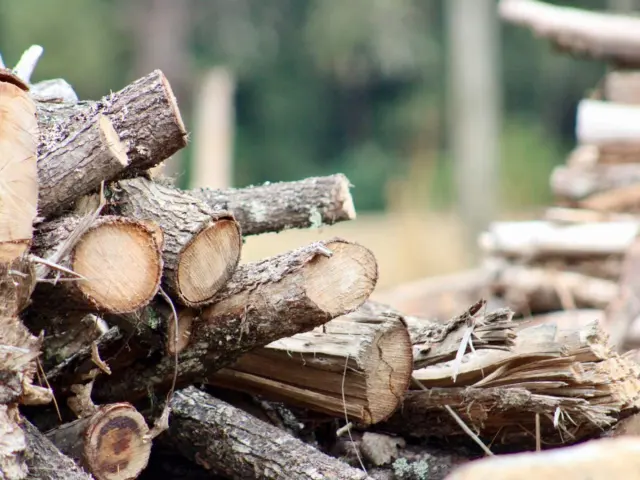
- Sawmill offcuts and bark.
- Used cooking oil and household food scraps.
How does cascading use work?
Cascading use means getting several rounds of value from the same biomass. The EEA’s forest glossary describes it for wood: cascading takes place “when wood is processed into a product and this product is used at least once more either for material or energy purposes” (source).
IEA Bioenergy notes a common theme, that “material use of wood should be prioritized over energy use of wood”. It also says cascading does not have one universal definition (source).
A simple wood example shows the idea:
- Timber becomes furniture or building frames.
- Worn pieces are reused or recycled into panels.
- What cannot be recycled is burned for energy.
Where do biofuels and products fit in?
The same strategy page says steering sectors such as plastics, chemicals, construction materials, textiles and fertilisers towards bio-based and circular materials can reduce dependence on fossil imports (source). Fuels made from wastes and residues belong in the same logic.
You can see concrete cases in these bio-based products examples.
Circularity also helps with a well-known worry. Using residues rather than dedicated crops eases the pressure behind the food vs fuel debate, although large-scale residue collection still needs care so soils keep enough organic matter.
How does a circular loop look on the ground?
Picture a farm, a food factory and a town sharing one loop. The farm sends crops to the factory, and the factory sends peels and pulp to a biorefinery rather than a landfill.
The biorefinery separates the material into streams. Valuable compounds go to food, feed or materials, while the rest can become biogas, fuel or compost.
The leftover digestate or compost then returns to farmland.
Why order matters
Sending everything straight to burning or composting is simple, but it wastes the chance to capture higher-value uses first. This is why people talk about a hierarchy of uses rather than a single best route.
The logic mirrors the cascading idea above. Use the material as a product first, reuse or recycle it next, and recover energy last.
Who takes part
A circular bioeconomy involves many different actors. Their roles differ, but they depend on each other:
- Farmers and foresters, who supply residues alongside primary products.
- Food and wood processors, who generate by-products in steady volumes.
- Waste collectors and local authorities, who separate organic waste at source.
- Researchers and engineers, who develop conversion methods.
- Policymakers, who set rules, standards and incentives.
Why do policy and standards matter?
The platform page says the EU strategy promotes the use of secondary biomass, including agricultural residues, by-products and organic waste (source).
Rules matter because a residue only becomes a useful input when it can be collected, certified and sold with confidence. Clear definitions help buyers, investors and regulators agree on what counts as a waste, a by-product or a product.
As a reader, you can treat official strategy pages as a starting point. Policies are revised over time, so look for the date on any document you use.
What limits a circular bioeconomy?
Biomass is not unlimited. Residues are scattered, seasonal and bulky, so collecting them can cost energy and money.
Quality is another limit. Mixed or contaminated waste is harder to process, which is why separating organic waste at the source usually gives better results than sorting it later.
Competing demands also exist. The same residue may be wanted as animal bedding, soil cover, a material feedstock or a fuel, so choices involve trade-offs rather than one obvious answer.
Definitions are also unsettled. As noted above, cascading has no single agreed meaning, so policies and claims can differ from one place to another.
Questions worth asking about any “circular” claim:
- Is the input truly a residue or waste, or was it grown for the purpose?
- Does the use keep the material at the highest sensible value?
- Are nutrients and carbon returned where they are needed?
Frequently asked questions
Is a circular bioeconomy the same as recycling?
Show answer
No. Recycling is one tool. A circular bioeconomy also covers reuse, conversion of residues into new products, and returning nutrients to soil.
What is secondary biomass?
Show answer
It is biomass left over from other activities. The European Circular Economy Stakeholder Platform lists agricultural residues, by-products and organic waste.
Does cascading mean burning is bad?
Show answer
Not exactly. Energy recovery is usually the last step, after material uses. IEA Bioenergy describes a common theme of prioritising material use of wood over energy use.
Is there one official definition?
Show answer
For cascading use, IEA Bioenergy says there is no universal definition. Check how a policy or report defines its terms.