Wondering what is biomass and why it keeps appearing in energy news? Biomass is organic material from plants and animals, such as wood, crop residues and waste, that can be used for heat, power, fuels and products.
It is a core feedstock of the wider bioeconomy; for context, read what is the bioeconomy.
| Item | Value |
|---|---|
| Biomass share of U.S. primary energy use, 2025 | About 5% |
| Biofuels share of U.S. biomass energy use, 2025 | 53% (2,569 TBtu) |
| Wood and wood waste share, 2025 | 39% (1,912 TBtu) |
| Waste, manure and sewage share, 2025 | 8% (372 TBtu) |
| Industry share of U.S. wood-waste fuel use, 2025 | About 68% |
These figures come from the U.S. Energy Information Administration pages on biomass and wood and wood waste. They are updated each year, so check the source before you rely on them.
What counts as biomass?
Biomass is renewable organic material that was recently alive. That separates it from coal, oil and gas, which are also of biological origin but formed over millions of years.
The U.S. Energy Information Administration (EIA) lists the main energy sources in three groups:
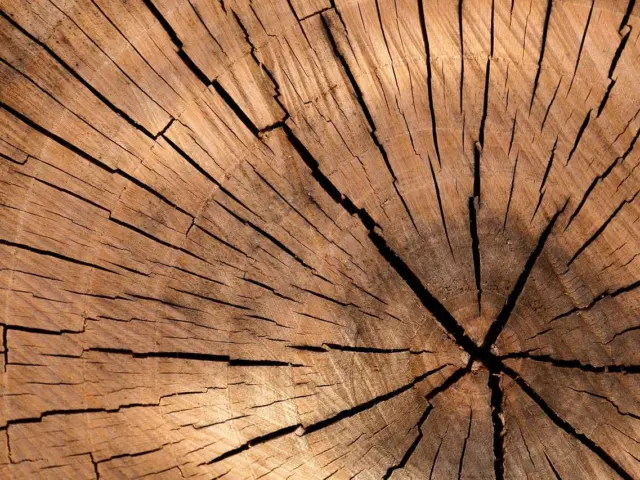
- Wood and wood processing waste, including firewood, pellets, chips, sawdust and black liquor from pulp and paper mills.
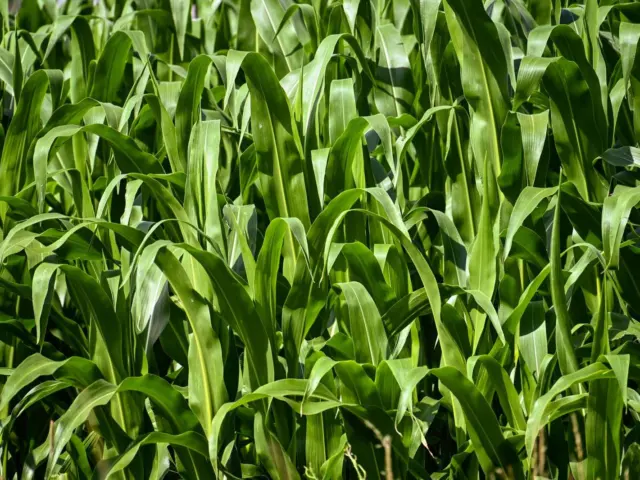
- Agricultural crops and waste, such as corn, soybeans, sugar cane, switchgrass, algae and food processing residues, mostly to make biofuels.
- Biogenic materials in municipal solid waste, plus animal manure and sewage.
Biomass is also not new. EIA notes that it was the largest source of total annual U.S. energy consumption until the mid-1800s.
Main types of biomass feedstock
Woody biomass
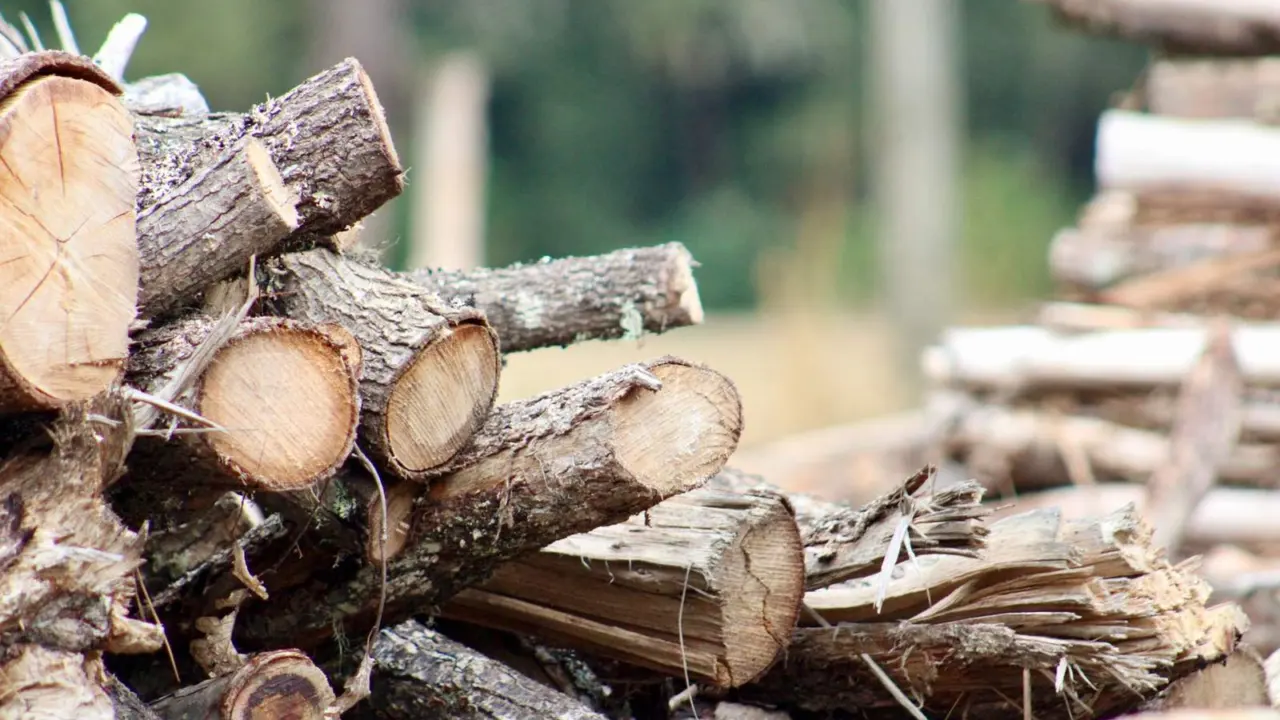
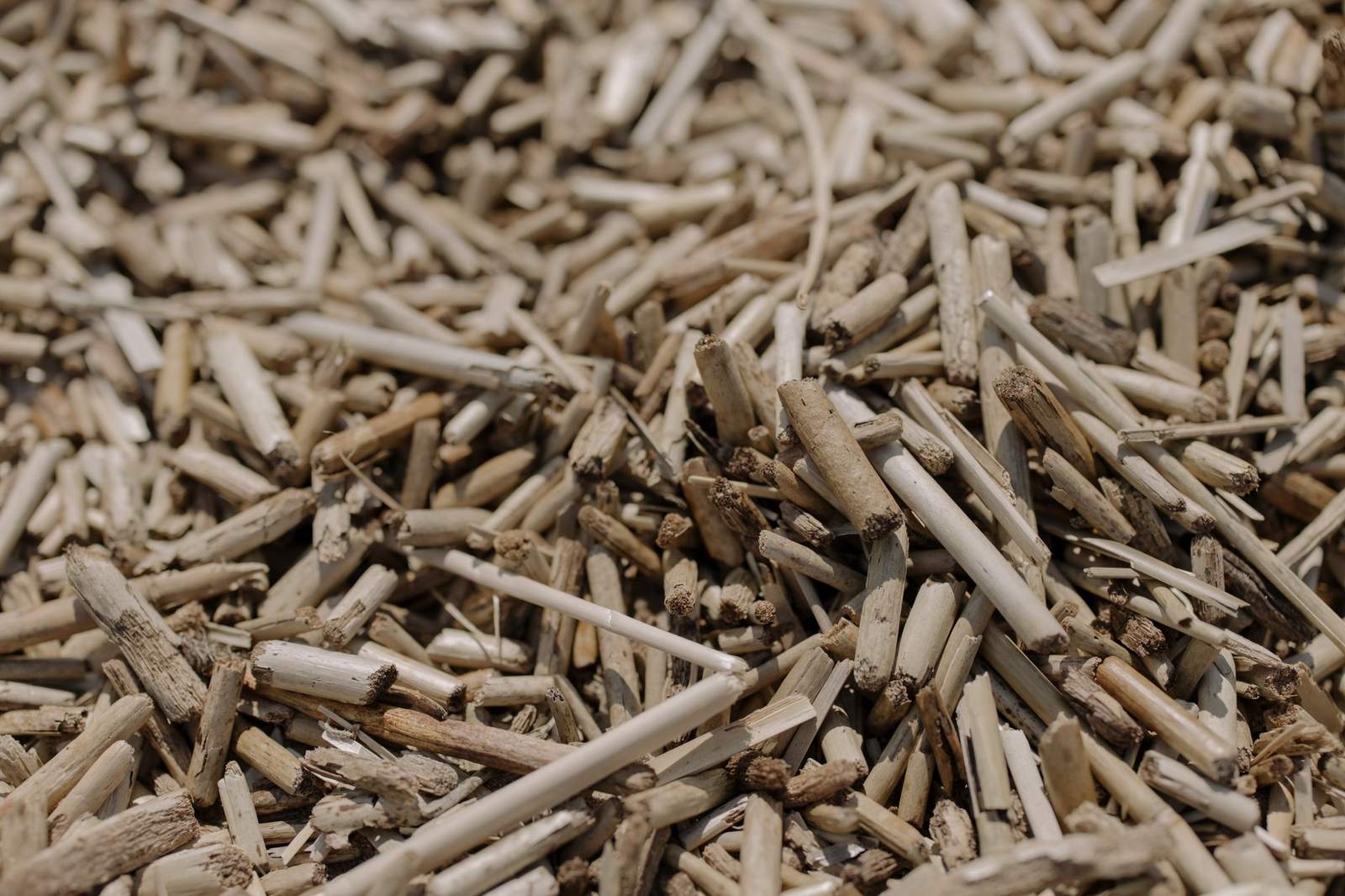
Woody material includes logging and mill residues, bark, sawdust, wood chips and paper mill residues. It is burned directly for heat, or pressed into pellets for stoves and boilers.
Agricultural biomass
This covers food crops and the leftovers from farming and food processing. Dedicated energy crops such as switchgrass sit in this group too, and algae are listed as a further source.
Waste and wet biomass
Household waste, animal manure and sewage hold organic matter that can be recovered as energy. Landfills and digesters at sewage plants and livestock operations produce biogas, which can be captured and used.
How is biomass turned into energy?
EIA describes four routes. Each suits different feedstocks and end products.
- Direct combustion: burning biomass for building heat, industrial process heat, or electricity from steam turbines.
- Thermochemical conversion: heating biomass to make solid, gaseous and liquid fuels. Pyrolysis uses roughly 800 to 900 °F (400 to 500 °C) with almost no oxygen, while gasification uses 1,400 to 1,700 °F (800 to 900 °C) and controlled oxygen or steam to make syngas.
- Chemical conversion: processes that produce liquid fuels.
- Biological conversion: fermentation to make ethanol, and anaerobic digestion to make biogas.
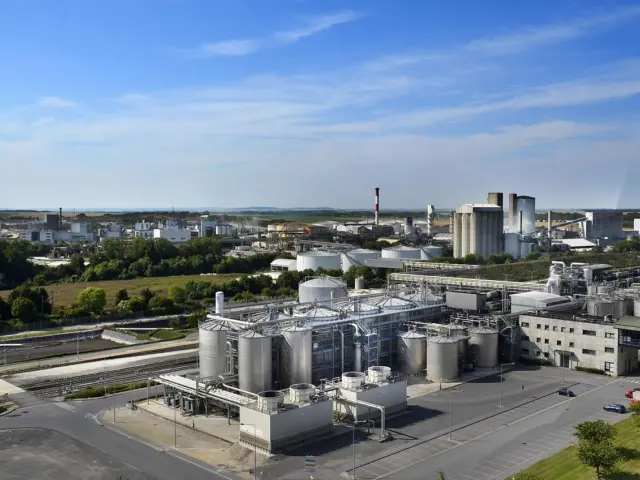
Facilities that combine several of these routes to make fuels, power and materials from one feedstock are explained in what is a biorefinery.
Where biomass is used today
In 2025, biomass supplied about 5% of total U.S. primary energy consumption, according to EIA. It is used for heating, electricity generation and transportation fuel.
The same EIA page breaks the 2025 total down by type:
- Biofuels: 2,569 TBtu, or 53%.
- Wood and wood waste: 1,912 TBtu, or 39%.
- Municipal solid waste, animal manure and sewage: 372 TBtu, or 8%.
In 2025 the industrial sector accounted for about 68% of U.S. wood and wood-waste consumption, led by wood product and paper manufacturers. Transportation was the second-largest user, through biofuels such as ethanol.
Outside the United States, EIA says biomass is an important fuel in many countries, especially in developing countries for cooking and heating.
How wood and waste are used in practice
EIA describes several everyday uses of wood. In homes, wood serves for heating as cord wood in fireplaces and wood-burning appliances, and as pellets in pellet stoves.
In industry, lumber and paper mills use their own mill waste to produce steam and electricity. That saves money because it reduces the amount of other fuels and electricity they must buy to run their facilities.
Liquid and gaseous fuels from biomass
Biofuels are the largest category of U.S. biomass energy use, so it helps to see how they are made. Two routes dominate in EIA’s description.
- Fermentation turns sugars and starches into ethanol, which is used as a vehicle fuel.
- Anaerobic digestion breaks down wet organic matter without oxygen to produce biogas.
Thermochemical routes add more options. Pyrolysis and gasification can turn solid feedstocks such as wood and crop residues into gaseous and liquid products, although EIA treats them as separate processes with different temperatures and oxygen levels.
Questions to ask about any biomass source
Not all biomass is equal, and a label alone says little. These questions help you judge a claim, whether it comes from a news story, a company or a policy document.
- Is the feedstock a residue or waste, or was it grown or harvested specifically for energy?
- Could the same material have gone into a product with a longer life, such as a building material?
- How far did it travel, and how was it processed?
- Which year and which definition does a quoted share or total refer to?
The last point matters because agencies count differently. EIA’s U.S. shares, for example, include biofuels, wood and waste together, while other reports may split modern and traditional uses or count only certain sectors.
From fuel to products
Energy is only one outlet. The same plant and waste streams can supply chemicals, plastics, fibres and building materials, and you can see practical cases in these bio-based products examples.
The reason this matters is competition for feedstock. A tonne of wood or straw used for fuel is not available for materials, so sustainable sourcing and the order in which uses are prioritised are central questions in the field.
Frequently asked questions
Is biomass renewable?
Show answer
Yes, in the sense that plants and other organic material can be regrown or generated again within a human timescale. How low-carbon a given biomass fuel is depends on the feedstock and how it is sourced and processed.
What is the most common biomass fuel in the United States?
Show answer
As of EIA’s 2025 data, biofuels were the largest category at 53% of biomass energy use, ahead of wood and wood waste at 39%.
Is wood a biomass?
Show answer
Yes. Firewood, wood pellets, chips, sawdust and pulp-mill black liquor are all listed by EIA as wood biomass sources.
What is biogas?
Show answer
Biogas, also called biomethane or renewable natural gas, is produced in anaerobic digesters at sewage plants and at dairy and livestock operations. It also forms in landfills and can be captured.