Wondering what bio-based products examples look like in daily life? You likely own several: detergents, packaging, textiles and even glitter can be made partly from plants, microbes or other living material.
This guide is part of our wider look at what is the bioeconomy, and it keeps to everyday items.
| Item | Key fact |
|---|---|
| Definition | Wholly or partly derived from materials of biological origin |
| Lignin share of a tree | 20% to 30% |
| Construction insulation feedstock | Agricultural waste and fungi |
| Textile fibre feedstock | Wood, algae, or fermented agricultural and food residues |
| Biobased content test standard | ASTM D6866 |
Figures come from the European Commission bio-based products page and a testing laboratory’s BioPreferred page. They can change, so check the source before you rely on them.
What counts as a bio-based product?
The European Commission describes bio-based products as items wholly or partly derived from materials of biological origin. That includes plants, animals, enzymes, and microorganisms such as bacteria, fungi and yeast.
The word “partly” matters. A bottle, a paint or a detergent can contain a mix of renewable and fossil-derived ingredients and still be bio-based in part.
The raw material is usually what is biomass, meaning organic matter from crops, wood, residues and microbes. Bio-based does not automatically mean biodegradable, and biodegradable does not automatically mean bio-based.
Everyday bio-based products examples around the home
Many household goods already use biological ingredients or processes. The Commission’s page points to several categories.
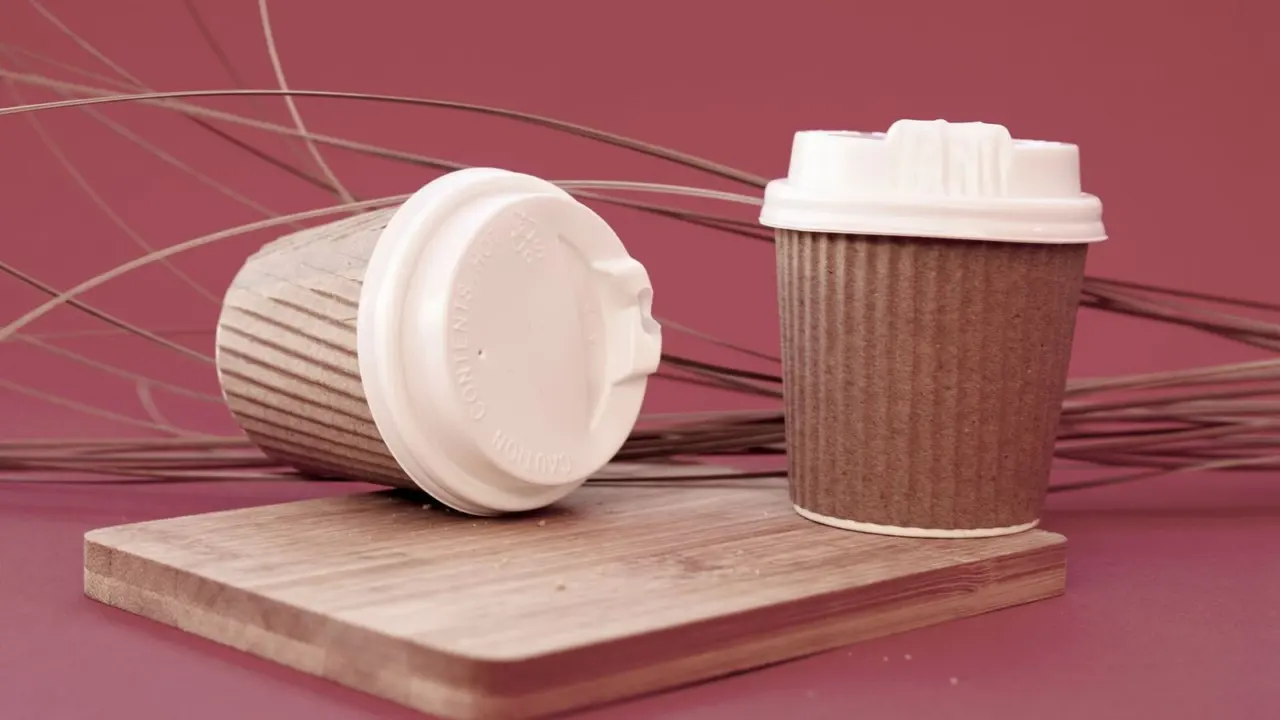
- Packaging: microbial cells and enzymes can be used to produce bio-based plastics, biodegradable or not, for packaging and agriculture.
- Textiles: new fibres made from wood, algae, or fermented agricultural and food residues.
Even glitter is on the list. The Commission notes that eucalyptus cellulose can be used to produce bio-based and biodegradable glitter.
Bio-based materials in buildings and vehicles
Outside the home, the same idea applies to materials you rarely see. The Commission says insulation used in construction can be made from agricultural waste and fungi.
Lubricants are another case. A testing laboratory describes lubricants made in part from biobased materials.
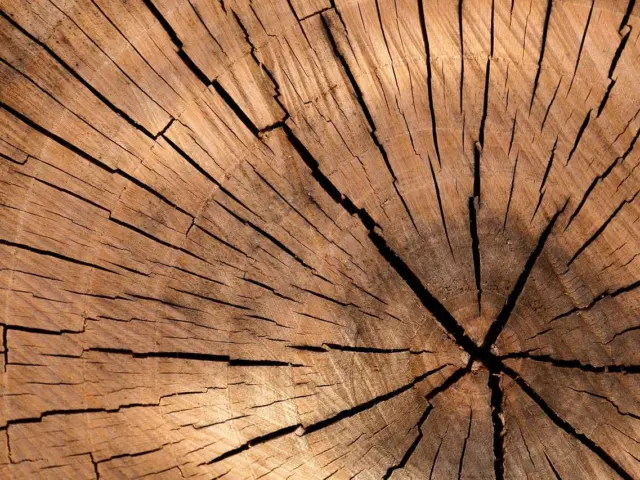
Lignin is a useful example of how a by-product becomes a resource. It is a natural polymer that makes up 20% to 30% of a tree’s composition, according to the Commission.
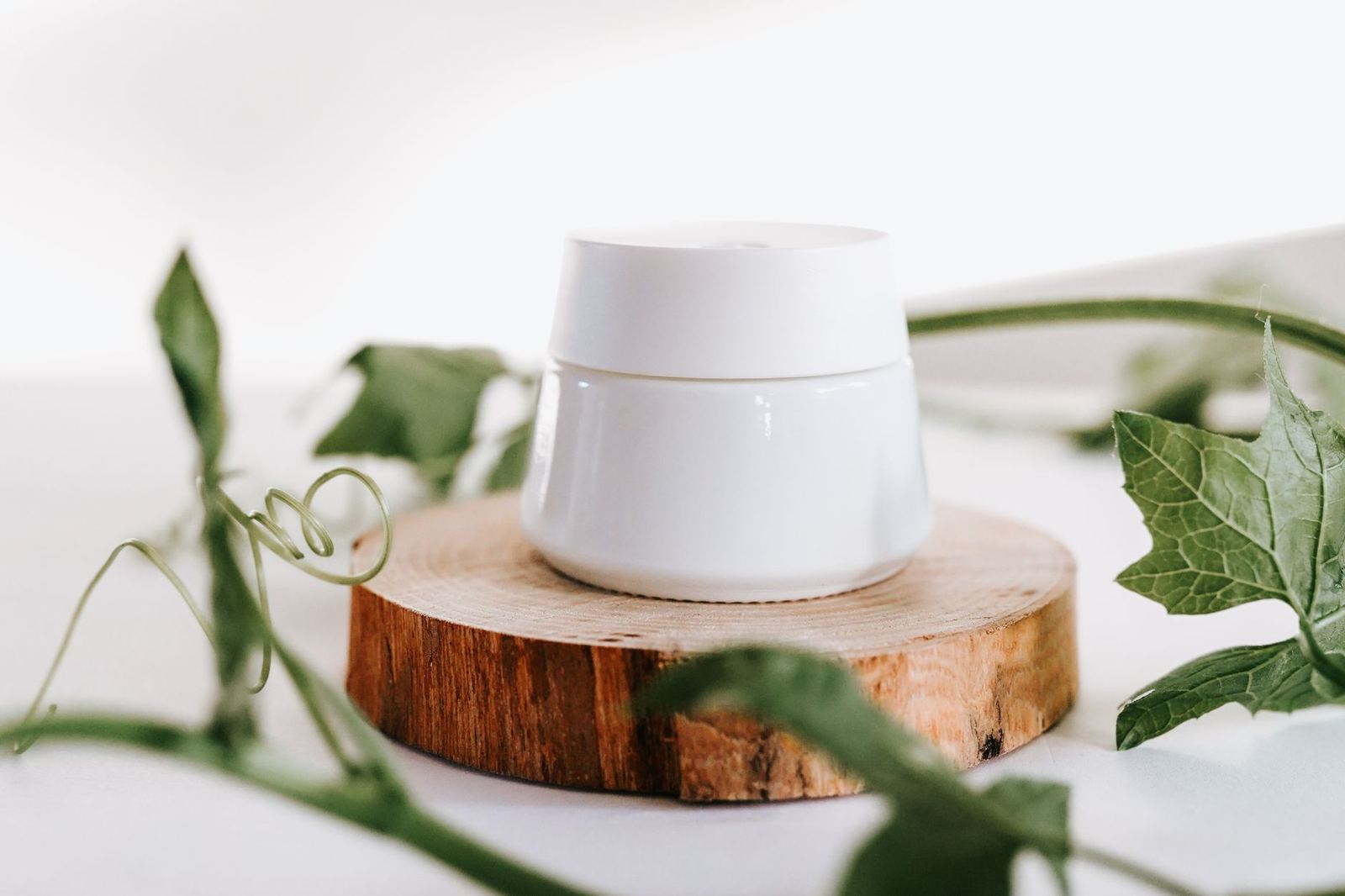
A room-by-room tour of bio-based goods
Walking through a typical day shows how widely these materials spread. The examples below all come from the categories the Commission lists.
- Wardrobe: some fibres are made from wood, algae or fermented food residues.
- Bathroom: cosmetics are among the industries that use bio-based chemicals.
- Workshop: paints, adhesives and lubricants can all contain bio-based ingredients.
- Craft box: glitter can come from eucalyptus cellulose.
- Walls and loft: insulation can be made from agricultural waste and fungi.
None of these is a niche curiosity in principle, although how much of any shelf is bio-based today varies by product and brand. Reading the label and asking for a tested percentage is the reliable route.
The same logic reaches beyond consumers. Some companies are developing batteries made from refined lignin, which shows how a wood by-product can find a role in electronics.
Bio-based chemicals hiding in ordinary goods
Much of the bio-based economy is invisible on the shelf because it sits inside ingredients. The Commission says bio-based chemicals are used in various industries, such as cosmetics, paints, lubricants and adhesives.
That means the label on a tube of cream, a tin of paint or a tube of glue may hide a plant-derived building block. You often cannot tell by looking, which is why measurement and clear labelling matter.
A few ways to think about where these ingredients come from:
- Wood and plants: cellulose and lignin are separated from the structure of trees and other plants.
- Residues: agricultural and food leftovers can be fermented into new materials, as with some textile fibres.
- Microbes and enzymes: bacteria, fungi and yeast can make building blocks for plastics and other materials.
Using residues is attractive because it gives a second life to material that would otherwise be waste. Whether a specific product achieves that depends on its supply chain.
Common misunderstandings about bio-based goods
Three mix-ups come up again and again. Clearing them up makes it easier to read product claims.
- Bio-based is not the same as biodegradable. The Commission notes that bio-based plastics may be biodegradable or not.
- Bio-based is not the same as entirely natural. Because the definition says “wholly or partly”, a product can mix biological and conventional ingredients.
- Bio-based is not automatically greener. The Commission says such products can help reduce CO2, which is a possibility rather than a promise.
Seen this way, the category is broad but practical. It covers ordinary things that happen to start life in a field, a forest or a fermentation tank rather than an oil well.
How do you know a product is really bio-based?
Labels alone can mislead, so testing matters. In the US BioPreferred programme, the laboratory page says products are tested to the ASTM D6866 standard.
When you shop, you can use a short checklist:
- Look for a stated bio-based percentage, not only a general claim.
- Check whether the figure comes from independent testing.
- Separate “bio-based” (where it comes from) from “biodegradable” (what happens at end of life).
Why these products matter
Choosing materials from living sources changes where a product’s carbon begins. Instead of coming from underground deposits, it comes from plants, microbes or residues that grew recently.
That is the core idea behind the wider bioeconomy, and it explains why governments, researchers and manufacturers keep an eye on everyday items as well as large industrial projects.
The Commission says bio-based products, being derived from renewable raw materials, can help reduce CO2 and offer other advantages such as lower toxicity or novel product characteristics.
The benefit is not guaranteed for every item. It depends on how the crop is grown, how it is processed and what the product replaces.
For the bigger picture of how materials loop back into use, see circular bioeconomy explained.
Frequently asked questions
Is a bio-based product always biodegradable?
Show answer
No. The Commission notes that microbial cells and enzymes can produce bio-based plastics that are biodegradable or not.
Can a product be only partly bio-based?
Show answer
Yes. The Commission’s definition covers products wholly or partly derived from biological materials.
Which living materials are used as inputs?
Show answer
Plants, animals, enzymes, and microorganisms including bacteria, fungi and yeast, according to the Commission.
How is bio-based content measured?
Show answer
A laboratory describing the US BioPreferred programme says products are tested using ASTM D6866.