If you want a plain answer to what is renewable energy, here it is: energy from sources that nature replenishes, such as sunlight, wind, water, heat from the earth and plant matter. This guide covers the main types and how the numbers are reported.
| Item | Value |
|---|---|
| Renewables’ share of U.S. energy consumption, 2025 | About 9% (8.8 quads) |
| Petroleum’s share of U.S. energy consumption, 2025 | About 38% (35.9 quads) |
| Global renewable capacity added in 2025 | 692 GW |
| Renewables’ share of global installed electricity capacity, end of 2025 | 49.4 percent |
| Solar and wind share of global installed capacity, end of 2025 | Roughly 35 percent |
Figures come from the U.S. Energy Information Administration and a report on IRENA’s 2025 capacity data. They can change as data are revised, so check the source before you rely on them.
What renewable energy means
The U.S. Energy Information Administration (EIA) describes it this way: “Renewable energy is energy from sources that are naturally replenishing but flow-limited; renewable resources are virtually inexhaustible, but they are limited by the availability of the resources.” In short, the supply comes back on its own, but only at the pace and place nature provides it.
That last part matters. A coal seam is a stock that you dig up once. Sunlight, wind and river flow are flows: they keep arriving, but you cannot store them in the ground and draw them down faster.
The EIA contrasts this with nonrenewable sources. In its words, “Nonrenewable energy sources are mined or extracted from the earth, such as crude oil.”
This is why “renewable” is not a promise about climate impact or cost. It describes only where the energy comes from and whether the supply replaces itself on a human timescale. Questions about emissions, land and price are separate, and the sections below take them one at a time.
It also helps to separate the energy source from the way you use it. The same wind can charge a battery, feed a grid or pump water, so a source and an end use are two different things to ask about.
The main renewable energy sources
The EIA lists the major types of renewable energy sources as biomass, hydropower, geothermal, wind and solar. Biomass covers wood and wood waste, municipal solid waste, landfill gas and biogas, and biofuels. For a deeper tour of each one, see our guide to types of renewable energy.
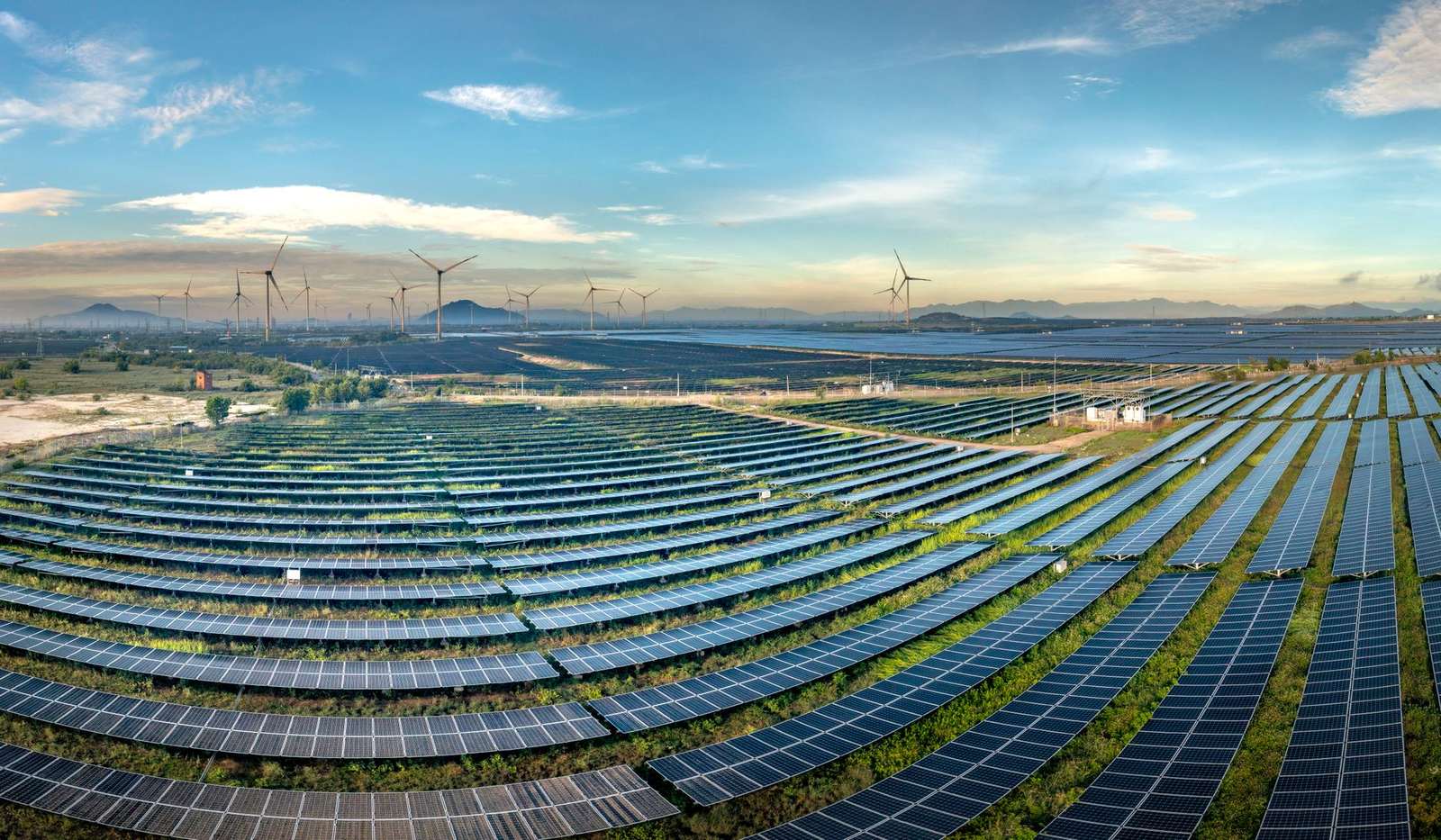
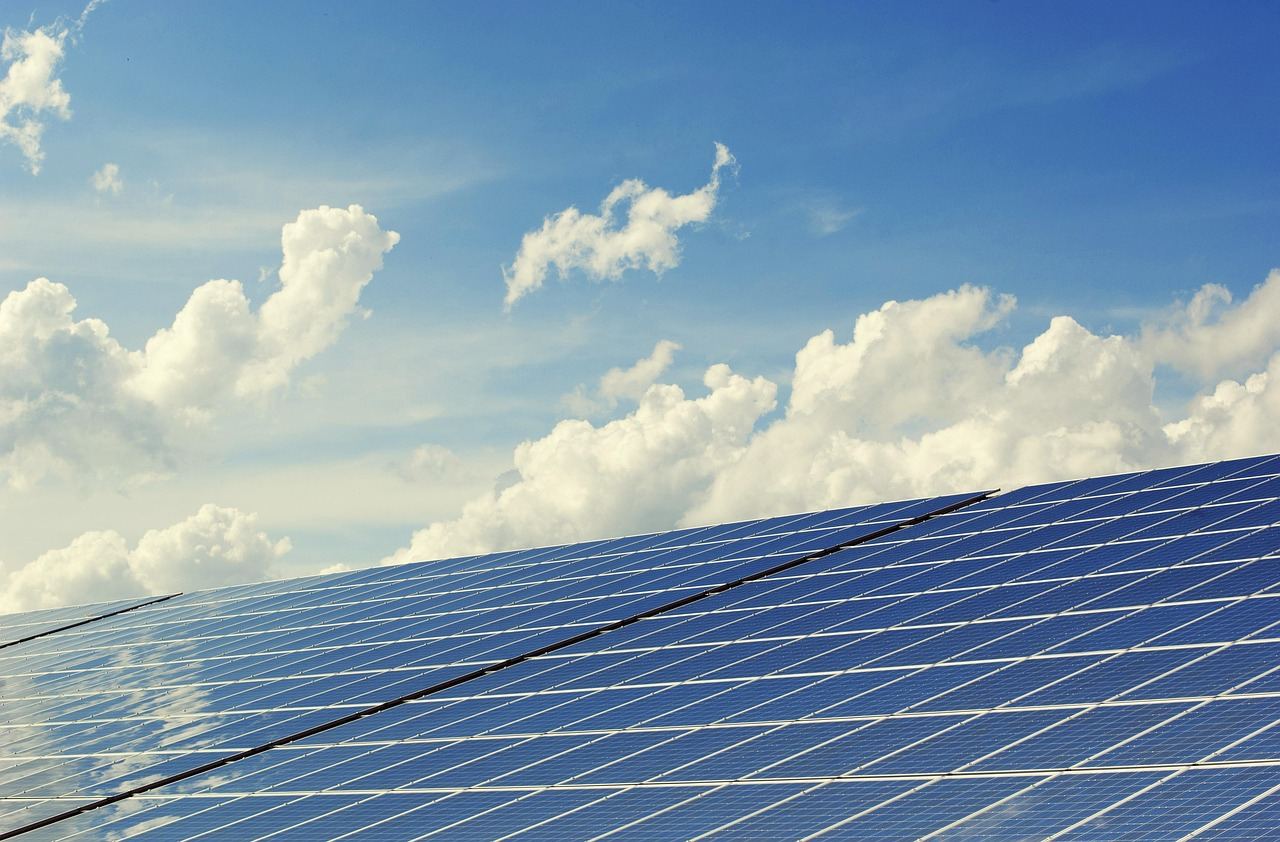
- Solar: panels turn sunlight directly into electricity, and some systems use sunlight for heat.
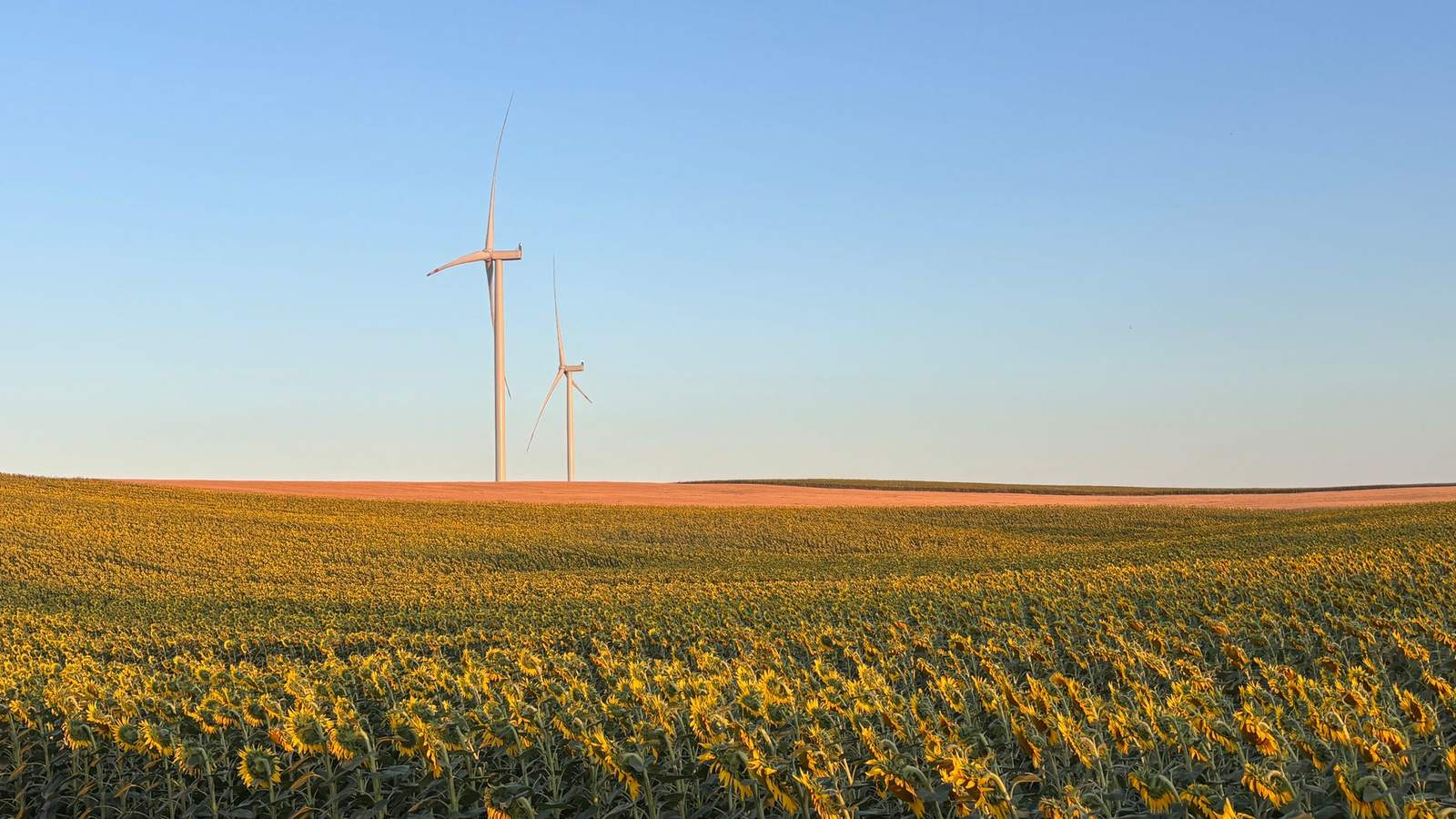
- Wind: turbines convert moving air into electricity, on land or offshore.
- Hydropower: flowing or falling water turns turbines, often behind a dam.
- Geothermal: heat from underground is used for power or direct heating.
- Biomass and biofuels: plant and waste material is burned, digested or refined into fuel.
Each source has a different personality. Solar and wind vary with weather, hydropower depends on rainfall and terrain, and geothermal depends on where the underground heat is close enough to reach.
How renewable energy has grown in the United States
For a long time the story was hydropower and wood. The EIA notes that hydropower and wood were the most used renewable energy resources for decades.
The mix then shifted. According to the EIA, “Wind surpassed hydroelectricity in 2019 to become the single most-consumed source of renewable energy on an annual basis.” Wind accounted for about 26% of U.S. renewable energy consumption in 2020, in the same EIA analysis.
Total use has kept climbing. In its analysis of 2020, the EIA reported renewable consumption of 11.6 quadrillion British thermal units (Btu), or 12% of total U.S. energy consumption. Figures from different EIA publications and years should not be read as a simple trend.
Why the unit “quad” appears so often: the EIA explains that “We convert sources of energy to common units of heat, called British thermal units (Btu), to compare different types of energy that are usually measured in units that are not directly comparable, such as gallons of biofuels compared with kilowatthours of wind energy.” A quad is simply a very large number of those units, which lets analysts add fuels and electricity together.
There is a catch in that accounting. The EIA says it uses “a fossil fuel equivalence to calculate primary energy consumption of noncombustible renewables (wind, hydro, solar, and geothermal), which are not burned to generate electricity and therefore do not have an inherent Btu conversion rate.” Different agencies choose different conventions, which is one reason published shares of renewables rarely match exactly.
For 2025, the EIA’s US energy facts page says renewable consumption was about 9% of total primary energy consumption (8.8 quads).
Renewables around the world
Worldwide, the pace of building has been remarkable. IRENA, the International Renewable Energy Agency, reported additions of 692 GW in 2025, which lifted installed renewable capacity by a record 15.5 percent year over year, according to press coverage of the report.
- Solar accounted for nearly three-quarters of that year’s renewable capacity additions.
- By the end of 2025, renewables made up 49.4 percent of global installed electricity capacity.
- Variable sources, meaning solar and wind, represented roughly 35 percent of total capacity.
Capacity is not the same as electricity actually produced.
The same coverage points to a caution: China added 100 GW of non-renewable capacity in 2025, most of it coal. Renewable growth and fossil growth can happen at the same time when demand is rising.
What renewables are used for and why people choose them
Uses: power, heat and transport
Most headlines are about electricity, but energy is used in three broad ways: to make power, to make heat, and to move people and goods. Renewables reach each of them at a different pace.
- Power: this is where solar, wind and hydropower are strongest, because they produce electricity directly and can feed a grid.
- Heat: homes and factories can use solar thermal systems, geothermal heat, or burned and digested biomass in place of gas or oil.
- Transport: electric vehicles run on whatever mix the grid supplies, while biofuels can be blended into or replace petroleum fuels.
That is also why a country’s electricity can be largely renewable while its total energy mix is not. The EIA figures above show it clearly: renewables remain a minority of U.S. primary energy consumption, yet they contribute far more in some parts of the power system than in transport or heating.
Reading renewable statistics with care
Three terms cause most of the confusion. Capacity is the maximum a plant can produce at a moment, generation is what it actually produced over a period, and consumption is what end users and power plants used. A report can be perfectly accurate and still look different from another because it measures a different one of these.
Source and date matter just as much. A statistics agency, a trade body and a news outlet may each report a different share for the same year, because of the unit chosen, the accounting method, or whether figures are preliminary. When two numbers disagree, look for the definition before you decide which one is wrong.
The figures in this guide are therefore best used as a snapshot. They show the direction and the rough size of the change, and each carries the date of the report it comes from.
The case for renewables
The reasons are a mix of cost, climate and security. Here are the main ones:
- Lower running costs: sunlight and wind carry no fuel bill once the equipment is built.
- Lower operating emissions: most renewable technologies emit little or no carbon dioxide while generating power.
- Energy security: a country that uses its own sun, wind or biomass depends less on imported fuel.
- Local jobs and industry: building and maintaining projects happens close to where the energy is used.
Cost is now a strong argument. An IRENA cost analysis, summarised by w.media, found that on a levelised cost of electricity (LCOE) basis, 91% of newly commissioned utility-scale renewable capacity delivered power at a lower cost than the cheapest new fossil fuel-based alternative.
The same summary says onshore wind remained the most affordable source of new renewable electricity at USD 0.034/kWh, followed by solar PV at USD 0.043/kWh. Prices for individual projects will differ by location.
If you want the full comparison of emissions, cost and reliability, read our explainer on renewable energy vs fossil fuels.
The limits and trade-offs
Renewables are not a free lunch, and a fair picture includes the limits. The first is variability: solar and wind output follows weather and daylight, so grids need storage, flexible plants, transmission or demand management to keep supply steady.
The second is that resources are place-bound. The EIA’s definition says renewable resources are limited by the availability of the resources, so a windy coast or sunny desert may be far from the people who need the power.
Other trade-offs to weigh:
- Land and water use: large solar fields, dams and energy crops all change landscapes and ecosystems.
- Materials and manufacturing: panels, turbines and batteries need metals and factories, which have their own footprint.
- Grid build-out: new lines and connections take time and permission to build.
- Not automatically low-carbon: bioenergy in particular depends on how the feedstock is grown and handled.
Fossil fuels still dominate in many energy systems. In the United States, the EIA says petroleum’s share of total energy consumption was about 38% (35.9 quads) in 2025, and natural gas was about 36% (34.6 quads).
Bioenergy: renewable energy from living matter
Bioenergy sits at the heart of the bioeconomy because it turns plants, residues and waste into heat, power and fuel.
The picture is more complex than for wind or solar, so the details deserve their own treatment. Our overview of biomass energy pros and cons weighs the benefits against land and emissions concerns.
Three ideas help you read claims about bio-based energy:
- Feedstock matters: waste and residues generally carry a different footprint from crops grown for fuel.
- Accounting matters: a life cycle assessment of biofuels counts emissions from growing, processing and transport, not just burning.
- Comparison matters: a fuel’s carbon intensity of fuels score lets you compare it with others on the same basis.
Biogas is a good example of waste turned into energy. You can follow the process step by step in how does anaerobic digestion work.
Policy also shapes this market. Mandates and credits steer how much renewable fuel is blended, as the renewable fuel standard explained guide shows for the United States.
Common myths about renewable energy
A few misunderstandings come up again and again. Sorting them out makes the numbers in the news easier to read.
- “Renewable means unlimited everywhere.” The EIA’s own wording says resources are limited by their availability. Sun, wind and water vary by place and season.
- “Renewable means zero impact.” Every energy system uses land, materials and manufacturing. The difference is in the size and type of impact, and in whether the fuel itself is consumed.
- “Renewables are always more expensive.” The cost analysis summarised by w.media found most new utility-scale renewable capacity cheaper than new fossil alternatives, though local conditions still matter.
- “A bigger renewable share means fossil fuels are shrinking.” Not necessarily. As the IRENA data above show, non-renewable additions rebounded in 2025, so both can grow when total demand rises.
The last point is the most useful to remember. Share and absolute amounts are different measures. A share can rise while fossil use stays flat or even grows, if total energy use is rising faster.
What to watch in the years ahead
Four questions are likely to decide how far renewables go, and each can be checked against public data from agencies such as the EIA and IRENA.
- Grids and storage: can networks absorb a growing share of variable power without curtailing it?
- Demand growth: new loads, from data centers to electric transport, raise the amount of clean supply needed just to hold the share steady.
- Costs and supply chains: trade rules, raw materials and financing can raise or lower prices from year to year.
- Hard-to-electrify sectors: aviation, shipping and heavy industry need fuels, so bio-based and hydrogen options remain part of the discussion.
None of these has a single answer, and the data are updated every year. A sensible habit is to read the newest edition of a statistics report and note the date before you quote any percentage.
How renewable energy fits with fuels and the wider economy
Electricity is only part of energy use. Heat, transport and industry need fuels too, and that is where liquid and gaseous renewable options come in. If you are new to the fuel side, start with what are biofuels.
Hydrogen made with renewable electricity is another route that competes with and complements bio-based fuels. The trade-offs are set out in green hydrogen vs biofuels.
On a larger scale, renewable energy is one piece of a shift toward using biological resources in place of fossil ones. To see the whole picture, read what is the bioeconomy.
How to judge a claim about any renewable project:
- Ask whether the number is capacity (what could be produced) or generation (what was produced).
- Check the year and the source, since the data are revised often.
- Look for what is counted: operating emissions only, or the full life cycle.
- Check whether the cost is for new projects or the existing fleet.
Frequently asked questions
Is renewable energy the same as clean energy?
Show answer
Not exactly. Renewable describes a source that replenishes naturally, while clean usually refers to low emissions. Most renewables are low-emission in operation, but their full footprint depends on materials, land use and, for bioenergy, the feedstock.
Is nuclear power renewable?
Show answer
No. The EIA treats renewable energy and nuclear electric power as separate categories, noting that they generally have similar shares of total U.S. energy production, as of its 2025 data.
Are renewables cheaper than fossil fuels?
Show answer
For new utility-scale electricity projects, often yes. An IRENA cost analysis found 91% of newly commissioned renewable capacity cost less than the cheapest new fossil alternative, though results vary by location and grid needs.
Why doesn’t renewable energy replace fossil fuels faster?
Show answer
Demand is growing, grids need upgrades, and some uses such as aviation are hard to electrify. IRENA data show non-renewable additions also rose in 2025, so new fossil capacity was still being built alongside renewables.