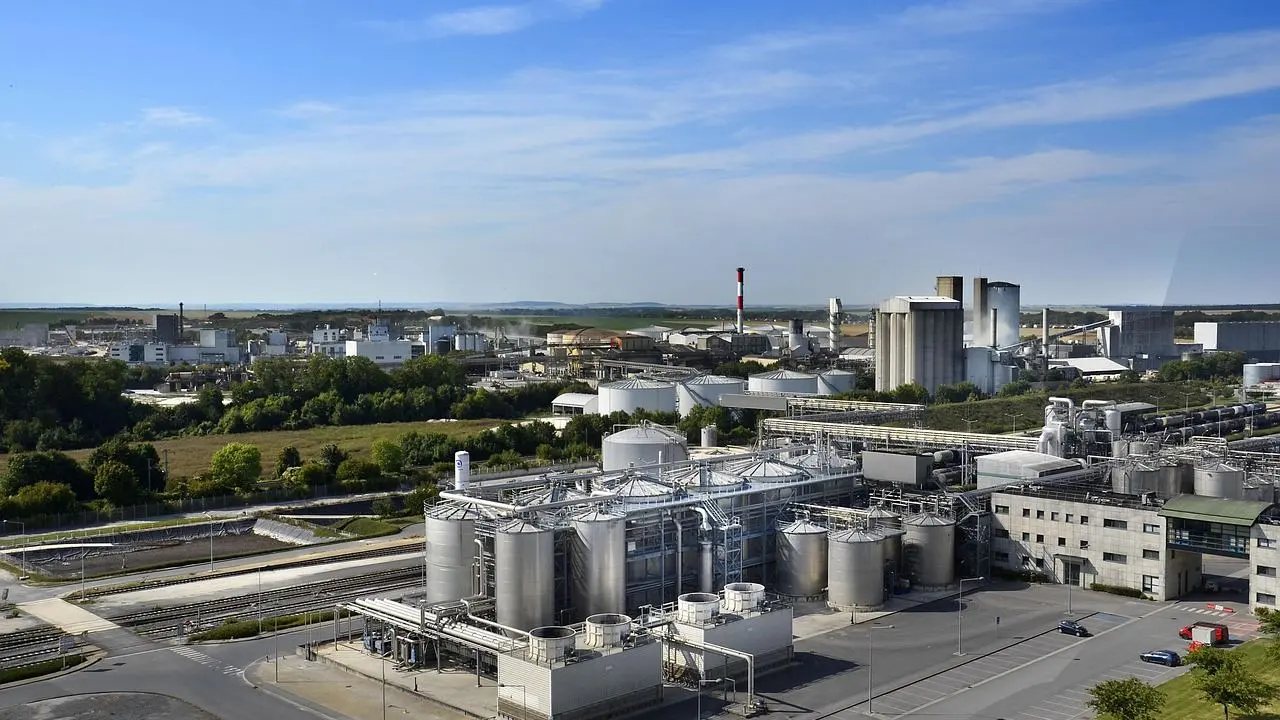
Wondering what is a biorefinery? It is a plant that splits biomass into parts and turns each part into a different product, such as fuel, chemicals, materials, heat or power, much as an oil refinery does with crude.
| Item | Value |
|---|---|
| Definition excerpt from IEA Bioenergy Task 42 | Sustainable processing of biomass |
| Countries participating in Task 42 | 7 (Austria, Denmark, Germany, Ireland, Italy, The Netherlands, Sweden) |
| Years the task was named “Biorefining in a future BioEconomy” | 2016-2018 |
| Platforms in one documented woody-residue example | 4 (isobutene, C5-stream, lignin, vinasse) |
| Outputs of that example plant | Sustainable aviation fuel, lignin-blend asphalt, ETBE, fertilizer, process steam and electricity |
The figures come from IEA Bioenergy’s Task 42 page and the Task 42 fact sheet listing. Programme details and wording can change, so check the sources before you rely on them.
What is a biorefinery, in plain terms?
A biorefinery is a facility that takes biological raw material and processes it into several outputs instead of just one. The idea borrows from petroleum refining, where one input becomes petrol, diesel, plastics feedstock and more.
The raw material is biomass, meaning plant and other organic matter. If you want the basics first, read about what is biomass, then come back here.
IEA Bioenergy’s Task 42 describes biorefining as “the sustainable processing of biomass”. Products can include chemicals, materials, fuels, power and heat.
How does a biorefinery work?
Most designs follow the same logic: prepare the feedstock, separate its main components, convert each one, and then clean up the products. The exact steps depend on what goes in and what is wanted out.
- Pretreatment: the biomass is cleaned, sized and often softened with heat, steam or chemicals.
- Fractionation: the main components, such as sugars from cellulose, lignin and residues, are separated into streams.
- Conversion: each stream goes down a route suited to it, for example fermentation, gasification or chemical upgrading.
- Separation and finishing: fuels, chemicals and materials are purified, while leftovers feed heat, power or fertiliser.
The term “platform” is used for a main intermediate stream. A sugar platform feeds fermentation, and a lignin platform feeds materials or energy.
What goes in and what comes out?
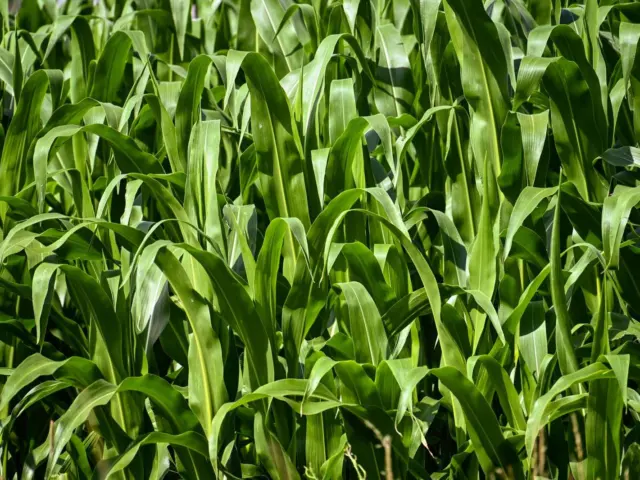
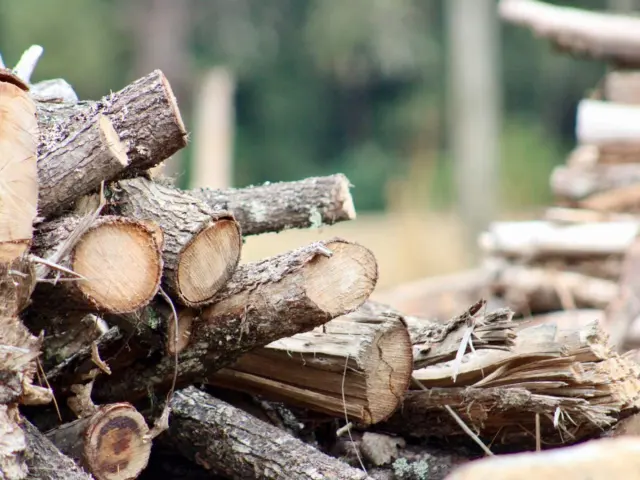
Feedstocks can include residues: straw, forestry residues and process waste. Task 42 describes biorefining as closing loops of raw biomass materials, including forestry, agricultural, process and post-consumer residues, along with minerals, water and carbon.
Outputs fall into two families:
- Energy products: biofuels, power and heat.
- Non-energy products: food and feed ingredients, chemicals, materials and fertiliser.
A worked example from IEA Bioenergy
Task 42 has published fact sheets on individual plants. One covers a “4-Platform” biorefinery that uses woody residues. Its platforms are isobutene, a C5-stream, lignin and vinasse.
That plant is described as making sustainable aviation fuel, lignin-blend asphalt, ETBE, fertilizer, process steam and electricity. A second fact sheet covers a “3-Platform” design that turns straw into advanced biofuel, with C5/C6 sugars, lignin-energy and vinasse-biofertilizer streams.
These examples show the core idea: nothing is treated as waste if it can become a product. Lignin, the tough part of wood and straw, is a good case, and you can read what is lignin used for to see where it ends up.
Why biorefineries matter for the bioeconomy
A biorefinery is one of the main tools that links raw biomass to finished goods. In the wider picture of what is the bioeconomy, it is where biological materials become fuels and products at industrial scale.
Task 42 calls biorefining “one of the key enabling strategies of the Circular Economy”. It also states that its objective is to facilitate commercialisation and market deployment of environmentally sound, socially acceptable and cost-competitive biorefinery systems.
Making several products from one feedstock can spread cost and risk. High-value chemicals can support lower-value fuels, and by-products can power the plant itself.
How a biorefinery differs from a single-product plant
A traditional ethanol or biodiesel plant is built around one main product.
A biorefinery is designed the other way round. The whole feedstock is mapped first, and each fraction is matched to the most useful route available.
- Biorefinery: several outputs, more complex process, spread across several markets.
- Shared infrastructure: steam, power and water systems serve every line in the plant.
This extra complexity is the price of getting more value from each tonne of biomass. It is also why careful planning and good integration matter so much.
Why the product mix is flexible
Different markets reward different products. Fuels are produced in large volumes at modest prices, while specialty chemicals and materials are made in smaller volumes at higher prices.
A plant that can shift its product mix can respond when prices move. That flexibility is one reason designers talk about a portfolio of products rather than a single line.
Residue streams matter here too. Heat and power raised from leftover material can cover part of the plant’s own demand, which lowers outside energy purchases.
Reading claims about biorefineries critically
The word is used loosely, so it helps to ask a few plain questions when you see a project described as a biorefinery.
- What is the feedstock, and is it a residue or a purpose-grown crop?
- How many separate products does the plant actually make?
- What happens to the lignin and other leftovers?
- Is the plant operating at commercial scale, or is it a pilot or demonstration?
- Has an independent party assessed its environmental and economic performance?
Fact sheets like those from IEA Bioenergy Task 42 are useful because they describe real plant concepts platform by platform. They let you compare designs on the same terms instead of relying on marketing language.
Limits and open questions
Biorefineries are not automatically sustainable. Results depend on where the biomass comes from, how much energy the process uses and what the products replace.
- Feedstock supply: collecting scattered residues can be costly and seasonal.
- Cost: products must compete with fossil-based ones on price.
- Scale-up: pilot results do not always carry over to full-size plants.
Task 42 says gaps and barriers to deployment must be addressed to promote sustainable biorefinery systems in the market. Independent assessments of each pathway are therefore worth reading before you accept any claim.
Frequently asked questions
Is a biorefinery the same as a biofuel plant?
Show answer
Not necessarily. A biofuel plant may make only fuel, while a biorefinery aims at a spectrum of products, including fuels.
What feedstocks do biorefineries use?
Show answer
Common ones are forestry, agricultural, process and post-consumer residues, according to IEA Bioenergy Task 42. Some designs use dedicated non-food crops.
Why is it called a refinery?
Show answer
The name comes from oil refining, where one raw input is separated and converted into many products. A biorefinery applies that logic to biomass.
Are all biorefineries sustainable?
Show answer
No. Sustainability depends on feedstock sourcing, process energy and the products displaced. The Task 42 definition itself includes the word sustainable as a goal.