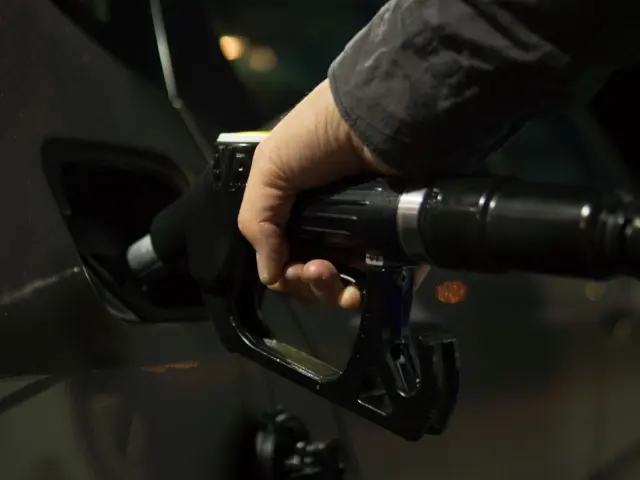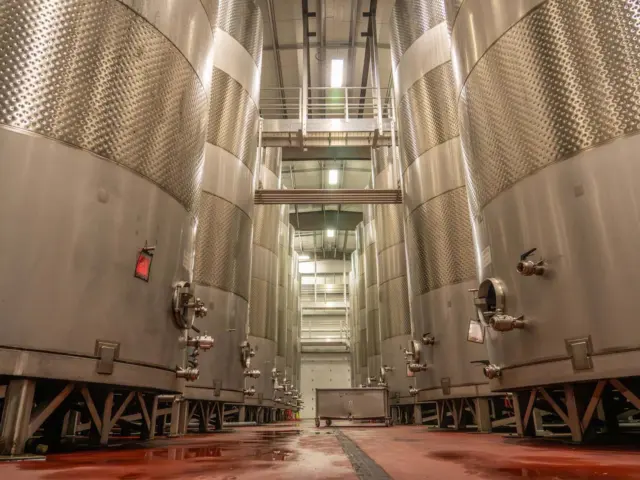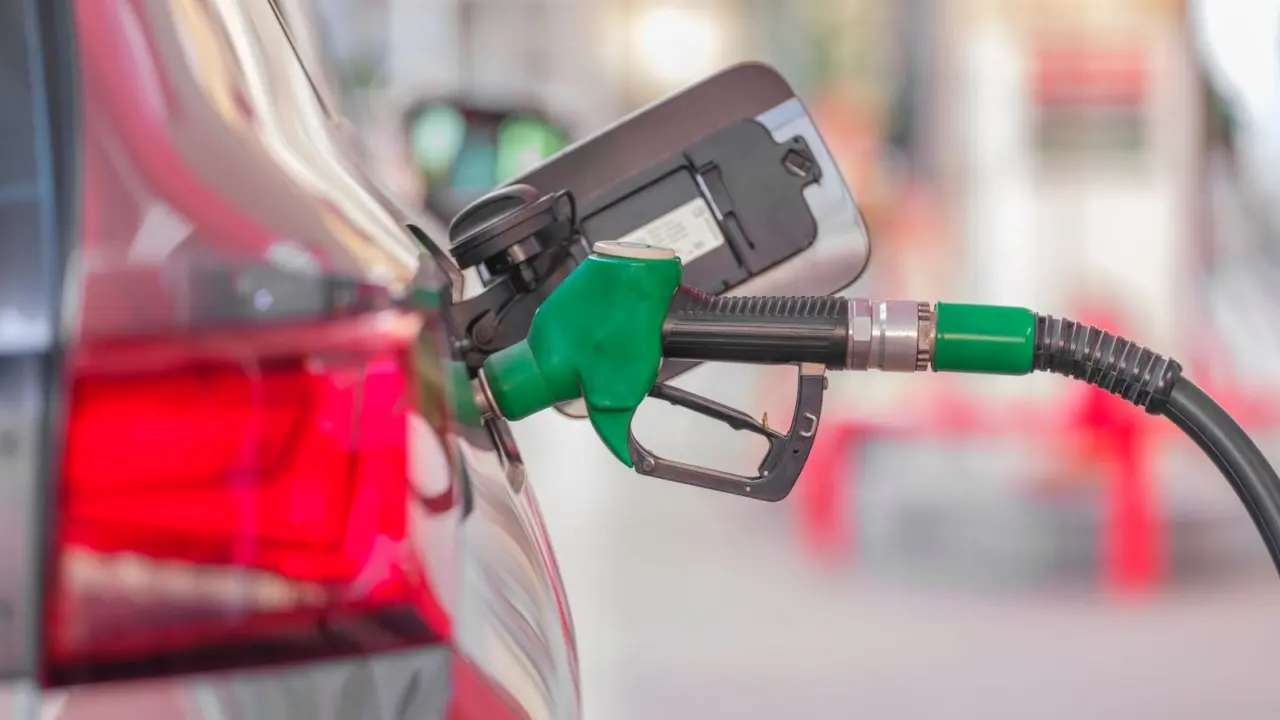
If you want to know what are biofuels, here is the short answer: fuels made from recently living biological material, such as crops, waste oils and residues. This guide explains the main types, how they are made and how they are used.
| Item | Value |
|---|---|
| Definition of biofuels | Fuels made from biological materials such as crops, waste oils, and agricultural residues |
| Typical ethanol blend in US gasoline | 10 percent by volume (E10) |
| Common biodiesel blend levels | 5 percent (B5) or 20 percent (B20) by volume |
| Biodiesel production process | Transesterification of vegetable oils and animal fats |
| Renewable diesel fuel specification | ASTM D975, the same as petroleum diesel |
| Renewable jet fuel blend limit | Up to a 50-50 blend with petroleum jet fuel (ASTM D7566) |
Figures come from the Resources for the Future explainer and the US Energy Information Administration biodiesel page. Standards, blend levels and policies can change, so check the source before you rely on them.
What biofuels are and how they differ from fossil fuels
Resources for the Future (RFF) opens its explainer by saying that biofuels are “fuels made from biological materials such as crops, waste oils, and agricultural residues.” The key idea is the age of the carbon. Petrol and diesel come from organisms buried for millions of years, while a biofuel comes from plants or fats that took up carbon from the air only recently.
That is why RFF says biofuels “have the potential to reduce net greenhouse gas emissions relative to petroleum fuels because they recycle carbon that was recently absorbed by biomass.” The word “potential” matters. Growing, harvesting, processing and transporting the feedstock all use energy, and how that energy is produced changes the result.
Biofuels are usually grouped by physical form and by use:
- Liquid fuels for road transport: ethanol for petrol engines, biodiesel and renewable diesel for diesel engines.
- Aviation and marine fuels: sustainable aviation fuel and, increasingly, bio-based marine blends.
- Gaseous fuels: biogas and its upgraded form, biomethane, made from wet waste and manure.
- Solid biofuels: wood pellets and chips, usually used for heat and power rather than vehicles.
This guide concentrates on liquid transport fuels. If you are new to the wider field, the topic sits inside the larger economy built on biological resources, which is covered in the guide towhat is the bioeconomy.
Why biofuels get so much attention
Electric cars can replace many petrol cars, but some sectors are hard to electrify. RFF notes that biofuels “offer one of the few near-term options to lower greenhouse gas emissions from sectors that are difficult to electrify (for example, aviation, shipping, and long-haul trucking).” Batteries are heavy, and planes and ships need dense, liquid energy.
A second reason is compatibility. Many biofuels can be blended into the fuel that existing vehicles, pipelines and filling stations already handle. That lets a country lower fuel emissions without replacing every engine at once.
Policy is the third driver. RFF describes US biofuel policy as “a mix of volume mandates, emissions-based standards, and tax credits.” Other regions use similar tools, such as blending obligations and carbon-intensity targets. Because rules differ by country and change often, always check the current text of any law you plan to rely on.
Biofuels also sit within the broader shift to low-carbon energy. For the bigger picture of wind, solar, hydro and bioenergy together, see what is renewable energy.
The main types of biofuel in use today
Four liquid fuels do most of the work. They look similar at the pump, but they are made from different feedstocks and by different chemistry.
Bioethanol
RFF calls ethanol “the most widely used biofuel,” generally produced “from starch and sugar crops, such as corn and sugarcane.” It is “blended into nearly all gasoline sold nationwide, typically at 10 percent by volume (E10).” Yeast ferments the sugars, and the alcohol is then distilled. The full process is explained in what is bioethanol.
Biodiesel
The EIA explains that “biodiesel is produced by transesterification of vegetable oils and animal fats.” RFF adds that it is made from “fats and oils, such as vegetable oils, animal fats, and recycled cooking oil.” The step-by-step chemistry is covered in how is biodiesel made.
The history is long. According to the EIA, Rudolf Diesel, who invented the diesel engine in 1897, experimented with vegetable oil as fuel. Today’s biodiesel is named after him.
Renewable diesel
Renewable diesel starts from similar fats and oils but is processed differently. The EIA says it “is a hydrocarbon that is chemically equivalent to petroleum diesel,” and that its production “uses a hydrogenation process rather than the esterification process used to produce biodiesel.” RFF puts the practical result plainly: unlike biodiesel, it is “chemically indistinguishable from petroleum diesel and can fully replace diesel fuel in existing engines and fuel systems.” More detail is in what is renewable diesel.
Sustainable aviation fuel
RFF describes sustainable aviation fuel (SAF) as an alternative to conventional jet fuel that can be made “from feedstocks such as oils and fats, alcohols, and other forms of biomass using different production pathways.” RFF also says that “when blended with conventional jet fuel, SAF can be used in existing aircraft and fueling systems without modification.” Pathways and limits are examined in what is sustainable aviation fuel.
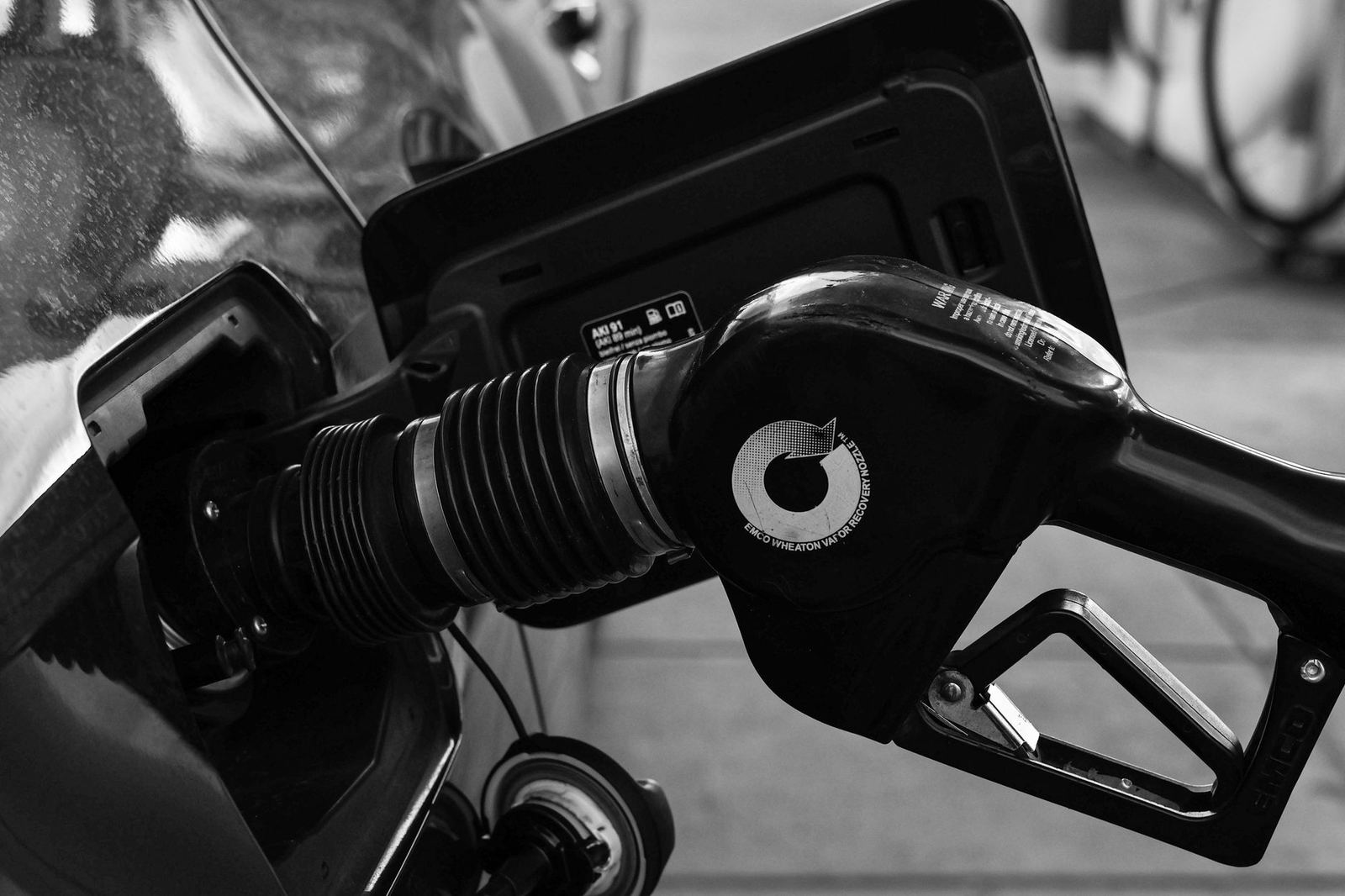
Biodiesel versus renewable diesel at a glance
These two are often confused because both can come from the same fats and oils. The table below sets out the differences described by the EIA and RFF.
- Main process: biodiesel uses transesterification; renewable diesel uses hydrogenation (hydrotreating).
- Chemistry: biodiesel differs from petroleum diesel; renewable diesel is chemically equivalent to it.
- Typical use: biodiesel is blended, for example B5 or B20; renewable diesel works as a drop-in fuel.
- Fuel specification: ASTM D6751 for biodiesel blending; ASTM D975 for renewable diesel, as for petroleum diesel.
In practice, this means a fleet operator can pour renewable diesel into an existing tank without checking blend limits, while biodiesel calls for attention to the blend level and the engine maker’s advice. Neither is better in every case; cost, feedstock supply and local rules usually decide which one a supplier offers.
The EIA adds that most renewable diesel is made by hydrogenating triglycerides, “a similar process used for desulfurizing petroleum diesel.” That similarity is one reason oil refineries can adapt existing equipment for it.
Blends are named by letter and number. RFF says biodiesel is blended “commonly at levels such as 5 percent by volume (B5) or 20 percent by volume (B20),” and that such blends “can be used in most modern diesel engines without engine modification.” Always check your engine maker’s guidance before using a higher blend.
Feedstocks and generations of biofuel
Feedstock means the raw material.
Common feedstock groups include:
- Starch and sugar crops: corn and sugarcane, mainly for ethanol.
- Vegetable oils: used for biodiesel and renewable diesel.
- Waste fats and cooking oil: recycled oils and animal fats.
- Agricultural and forestry residues: straw, stalks and wood waste.
The older, crop-based fuels are often called first generation. Fuels from non-food plant material are usually called second generation, a topic unpacked in second generation biofuels. RFF notes that “scaling advanced biofuels, which rely on less land-intensive raw materials, remains a key policy challenge.”
Plant waste is tough because it contains cellulose, hemicellulose and lignin locked together. Breaking that structure apart is a distinct step, described in lignocellulosic biomass pretreatment. For real-world cases, see advanced biofuels examples.
The EIA says renewable diesel and other biofuels “can be produced from nearly any biomass feedstock,” through processes such as hydrotreating, gasification and pyrolysis. This flexibility is why research keeps widening the list of usable materials.
Are biofuels good for the climate?
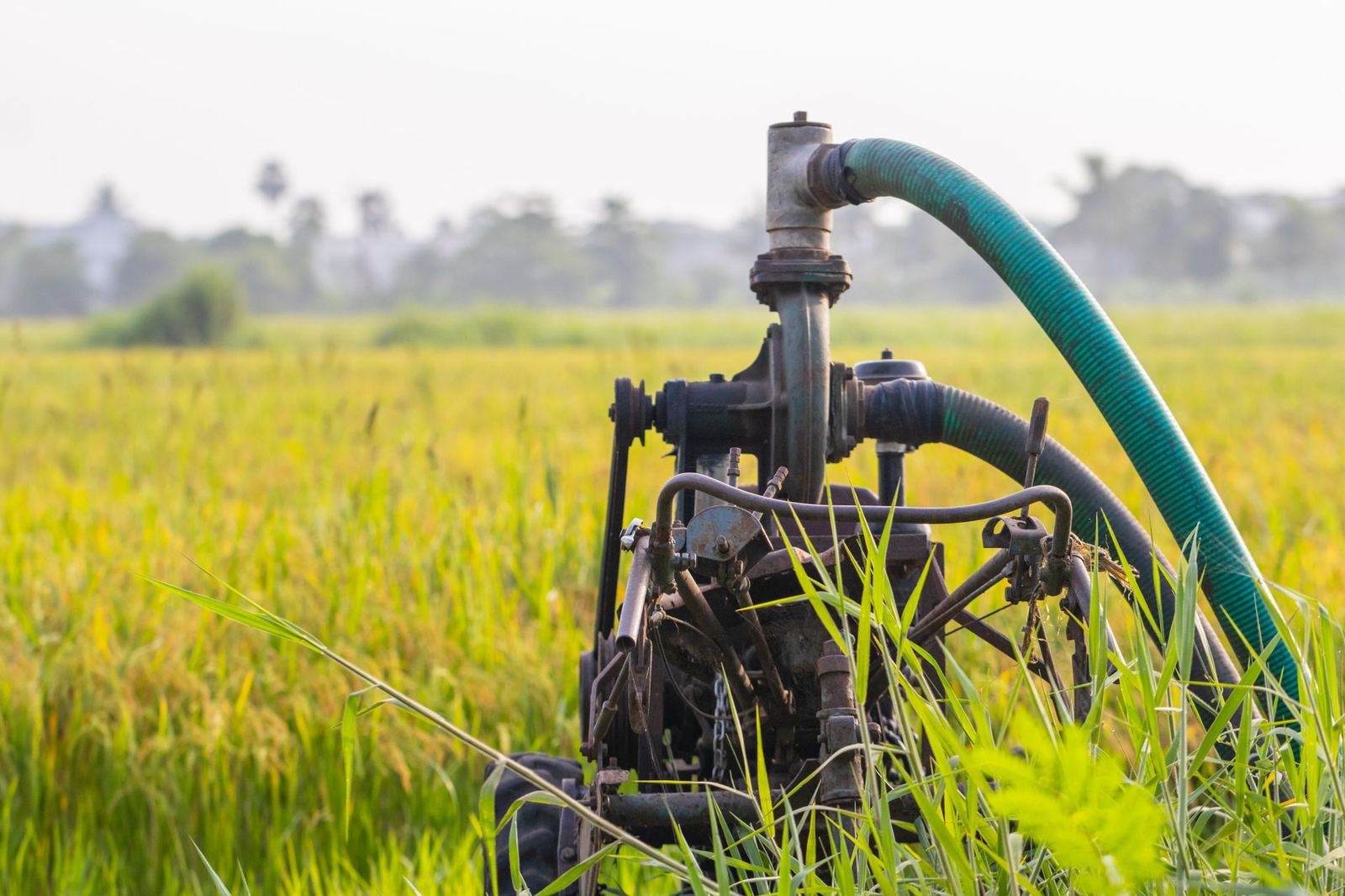
The honest answer is: sometimes, and by how much depends on the details. RFF states that “whether and to what extent biofuels reduce greenhouse gas emissions relative to fossil fuels depends on how feedstocks (i.e., raw material inputs) are grown, the emissions associated with processing and transporting the biofuels, and how increased demand for biofuel feedstocks affects land use.”
Three questions help you judge any biofuel claim:
- What was the feedstock, and was it grown on land that would otherwise have stored carbon or grown food?
- How much fossil energy went into growing, moving and processing it?
- Which fossil fuel does the biofuel actually replace?
Analysts answer these with lifecycle analysis. RFF cautions that estimating net benefits “requires lifecycle analysis, which relies on detailed modeling choices, some of which remain the subject of ongoing debate.” This is why you will see different numbers from different studies.
The popular phrase “carbon neutral” is therefore a simplification. The full discussion is in are biofuels carbon neutral.
Biogas and other gaseous biofuels
Not every biofuel is a liquid. Biogas forms when microbes break down wet organic matter such as manure, food waste or sewage sludge without oxygen. It can burn for heat or power, or be cleaned into biomethane, which can stand in for natural gas. The differences are explained in biogas vs biomethane.
Biogas systems also leave a residue, called digestate, which farmers can often use as a soil improver. That second output is one reason anaerobic digestion is often described as part of a circular approach to waste.
Gaseous fuels matter because they often turn a waste problem into an energy source. They tend to be local, tied to farms, landfills and treatment plants rather than to large refineries.
From feedstock to fuel: the basic routes
Almost every biofuel follows one of a few conversion routes. Knowing the route tells you a lot about what a fuel is and what it can be blended with.
- Biochemical: microbes or enzymes turn sugars into alcohol (fermentation) or turn wet waste into gas (anaerobic digestion).
- Chemical: oils and fats react with an alcohol to form biodiesel, or with hydrogen to form renewable diesel.
- Thermochemical: heat converts solid biomass through gasification or pyrolysis into gases or liquids that are then refined.
The EIA lists hydrotreating, gasification and pyrolysis among the processes for renewable diesel and other biofuels. Each route has its own cost profile, and each suits different feedstocks.
Fermentation suits sugary or starchy material. Oil-based routes suit fats and used cooking oil.
Most real plants combine steps. A biorefinery may ferment sugars, burn leftover solids for heat and sell co-products such as animal feed or glycerol.
Where you meet biofuels in everyday life
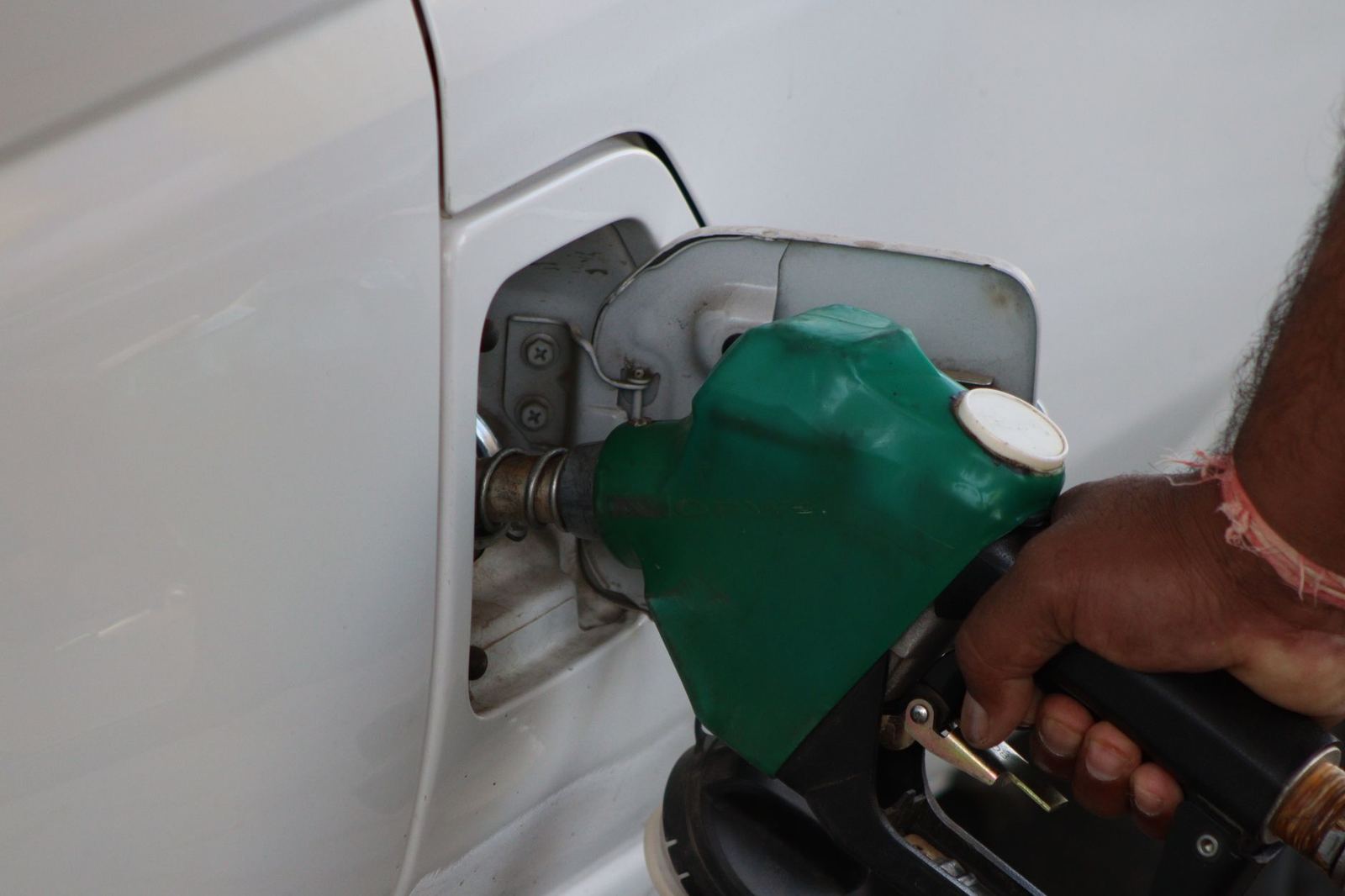
You may already use biofuels without noticing. The petrol at many stations contains ethanol, and the diesel sold to trucks and buses may contain a biodiesel share. The pump label or the supplier’s fuel data sheet normally tells you which blend you are buying.
Airlines are testing and buying aviation blends, while some heating oil suppliers sell blends for boilers.
For a private driver, the practical points are simple:
- Read the owner’s manual for the fuel types your engine accepts.
- Look at the label on the pump for the blend name, such as E10 or B20.
- Treat any “fully green” claim with care until you see the feedstock and the lifecycle method.
If a supplier gives a carbon figure, ask what it was compared against and which emissions were counted. A number without a stated baseline tells you very little, and a figure that leaves out land-use change may look better than the full picture. Reputable suppliers can usually point to a published method or a certification scheme.
Behind the scenes, farmers, waste collectors, refiners and fuel distributors form a supply chain. That chain is one slice of the wider shift toward products and energy drawn from biological resources.
Practical limits and open questions
Biofuels have real limits, and a fair overview should name them. The first is supply: there is only so much waste oil, straw and manure, and several sectors want the same material.
The second is land. If a fuel crop displaces food crops or natural habitat, the climate benefit can shrink or vanish, which is the land-use effect RFF flags in its explainer.
The third is cost. When policy changes, project economics can change quickly.
The fourth is scale. Advanced fuels from residues are technically proven in many cases, yet building plants large enough to matter takes time, money and steady feedstock contracts.
Finally, there is measurement. Because lifecycle results depend on modelling choices, two honest studies can reach different answers. Reading the assumptions behind a number is as important as the number itself.
How to read biofuel claims
Labels such as “bio”, “green” and “renewable” are not precise. A few habits make you a more careful reader:
- Look for the feedstock. A fuel made from waste oil and one made from a new crop can differ a great deal.
- Look for a lifecycle figure. A credible claim states what it was compared with and how it was measured.
- Check the standard. Fuels sold for engines should meet a recognized specification such as ASTM D6751 for biodiesel or ASTM D975 for diesel.
- Check the date. Rules, tax credits and blend limits change, so prefer sources that show when they were written.
The EIA lists related specifications beyond road fuel. It says renewable jet fuel “meets ASTM D7566, which allows up to a 50-50 blend of biomass-derived blending components and petroleum jet fuel,” and that renewable heating oil meets ASTM D396 for fuel oils.
Biofuels are one tool among several, not a single fix. They work best where liquid fuels are hard to replace, and where feedstocks are waste or low-impact, rather than competing with food and forests.
Frequently asked questions
What are biofuels in simple terms?
Show answer
Biofuels are fuels made from biological materials such as crops, waste oils and agricultural residues, according to RFF. They include ethanol, biodiesel, renewable diesel, sustainable aviation fuel and biogas.
Can my car run on biofuel?
Show answer
Most petrol cars already run on ethanol blends: RFF says ethanol is blended into nearly all US gasoline, typically at 10 percent by volume. Many diesel engines can use B5 or B20 without modification, but check your manufacturer’s guidance.
Is renewable diesel the same as biodiesel?
Show answer
No. Both come from fats and oils, but biodiesel is made by transesterification, while renewable diesel is made by hydrogenation and is chemically equivalent to petroleum diesel, per the EIA.
Are biofuels always better for the climate?
Show answer
No. RFF says the benefit depends on how feedstocks are grown, how the fuel is processed and transported, and how demand affects land use.
Which sectors need biofuels most?
Show answer
RFF points to aviation, shipping and long-haul trucking, which are hard to electrify.