Confused by “bio” labels on packaging? The main types of bioplastics fall into three groups: biobased but not biodegradable, both biobased and biodegradable, and fossil-based but biodegradable.
Plastics are one corner of the wider question of what is the bioeconomy, and this guide covers that corner.
| Item | Value |
|---|---|
| Main bioplastic groups | Three |
| Global biobased plastics capacity, 2025 | 2.31 million tonnes |
| Forecast capacity, 2030 | About 4.69 million tonnes |
| Packaging share of the bioplastics market, 2025 | 41.3% (0.95 million tonnes) |
| Share of all plastics produced | Roughly half a percent |
Figures come from European Bioplastics’ market page and its materials page. They can change with each new market update, so check the source before you rely on them.
What does “bioplastic” actually mean?
According to European Bioplastics, bioplastics are biobased, biodegradable, or both. These are two separate properties, and mixing them up is the most common source of confusion.
“Biobased” is about where the carbon comes from. The same source says the term describes the proportion of a material or product that is derived from biomass, such as plants.
“Biodegradable” is about what happens at the end of life. A plant-based plastic can be built to last for decades, and a fossil-based one can be designed to break down.
Because of this, a “bio” label alone tells you little. You need to know which of the two properties is meant, and under what conditions.
The three main groups of bioplastics
European Bioplastics describes a diverse family of materials with differing properties, split into three main groups.
- Biobased, not biodegradable: for example biobased PE, PP or PET, plus technical polymers such as PTT or TPC-ET.
- Biobased and biodegradable: for example PLA, PHA or PBS.
- Fossil-based and biodegradable: for example PBAT.
Put simply, each group answers the two questions differently. The raw material is wholly or partly biomass in the first two groups and fossil in the third, while biodegradability is absent in the first group and present, under stated conditions, in the second and third.
That grid is why the same word, “bioplastic”, can describe a durable bottle resin and a compostable bag film. They share a label family, but they behave differently and are disposed of differently.
It also explains why buyers, recyclers and regulators ask for specifics. A product description such as “made from plants” or “compostable” is only useful when it says how much of the material is biobased and in which setting it can break down.
Biobased drop-in plastics
The first group holds the so-called drop-ins. A biobased PE, PP or PET is meant to behave like its conventional counterpart, so it is meant to do the same jobs as the plastic it replaces.
That also means a drop-in is not a solution to litter.
The same group includes biobased technical performance polymers, which are used where strength, heat resistance or durability are needed.
Biobased and biodegradable plastics: PLA, PHA and PBS
The second group is the one most people picture when they hear “bioplastic”. PLA (polylactic acid) and PHA (polyhydroxyalkanoates) are the best known, and PBS sits beside them. European Bioplastics names PLA and PHA as drivers of expected capacity growth in its market update.
Biodegradable does not mean “disappears anywhere”. European Bioplastics says that biodegradable claims should always refer to the conditions in which the items are biodegradable. Industrial composting, home composting, soil and seawater are very different environments.
When you see a compostable label, check which conditions it refers to, and whether your local waste system actually collects the item for composting.
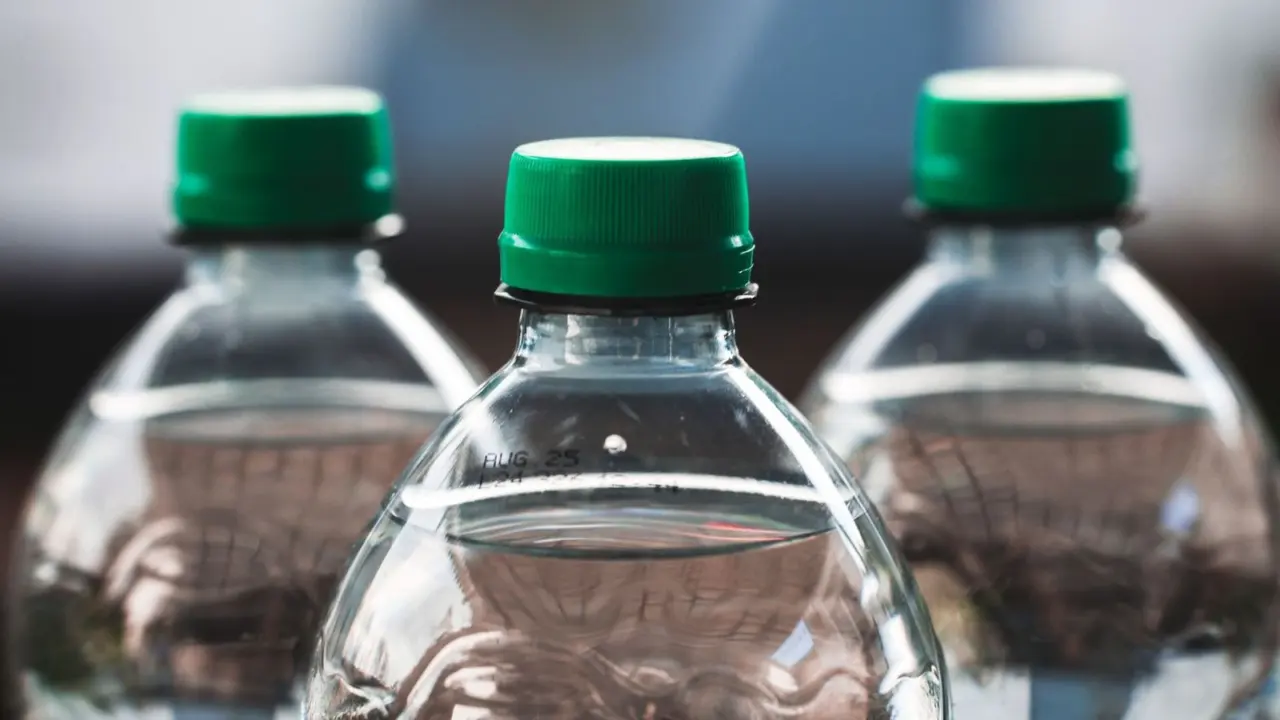
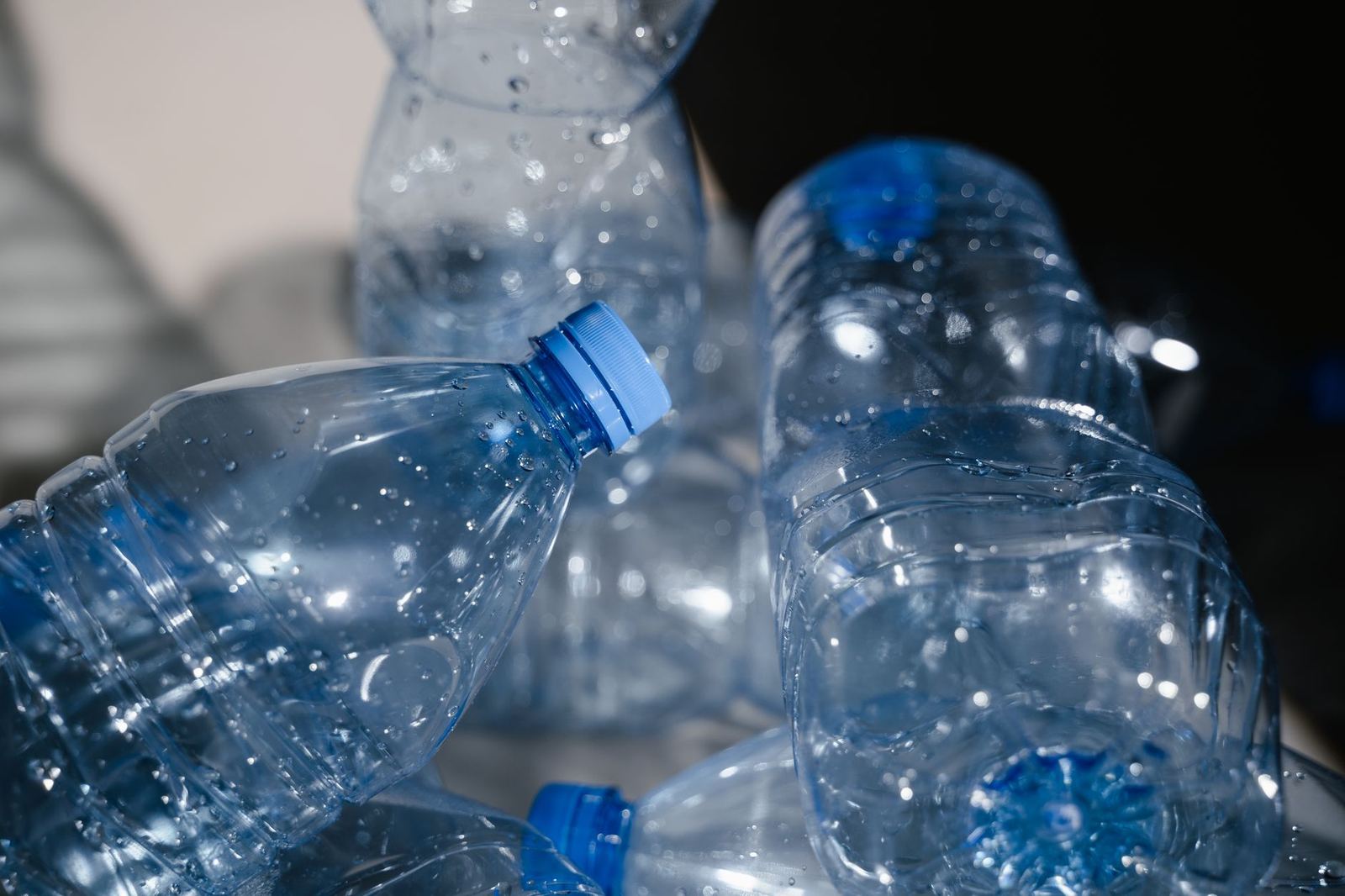
The bottles pictured below are not identified as PLA, PHA or PBS.
Fossil-based biodegradable plastics
The third group surprises many readers. A plastic made from fossil resources can still be biodegradable, and PBAT is the example European Bioplastics gives.
It counts as a bioplastic because the definition covers biodegradability on its own, not only plant origin.
The lesson is that the feedstock and the end-of-life behaviour should be judged separately. Neither one tells you about the other.
This is why a simple “plant-based equals green” rule fails. Two products can both be called bioplastics and still differ in raw material, in disposal route and in how they should be labelled.
- A biobased label answers the question “where did the carbon come from?”
- A biodegradable label answers “what can happen to it afterwards, and where?”
- Neither label says anything about whether the product was needed in the first place.
How big is the market and where is it used?
Bioplastics are still small. European Bioplastics says they represent roughly half a percent of all plastics produced each year.
They are growing, though. Forecasts on the market page show global biobased plastics production capacity doubling from 2.31 million tonnes in 2025 to about 4.69 million tonnes by 2030.
Packaging is the largest segment, at 41.3 percent (0.95 million tonnes) of the bioplastics market in 2025, according to the same page.
For related reading, see the EU bioeconomy strategy.
How to choose between types of bioplastics
There is no best bioplastic, only a best fit for a job and a waste system. These questions help narrow it down:
- What is the goal? Cutting fossil raw material points to biobased options. Reducing persistence points to biodegradable ones.
- What happens after use? Check whether the local recycling stream accepts the drop-in item. A compostable item needs a composting stream that accepts it.
- Is the claim specific? Look for a stated biobased percentage and a named condition for biodegradation.
Plant material also feeds other products beyond plastics. If that interests you, read what is lignin used for to see how another biomass component is put to work.
Frequently asked questions
Are all bioplastics biodegradable?
Show answer
No. European Bioplastics counts a plastic as a bioplastic if it is biobased, biodegradable, or both, so biobased PE, PP and PET are bioplastics even though they do not biodegrade.
Can a fossil-based plastic be a bioplastic?
Show answer
Yes, if it is biodegradable. PBAT is the example given by European Bioplastics for plastics based on fossil resources that are biodegradable.
Which bioplastics are biobased and biodegradable?
Show answer
PLA, PHA and PBS are the examples European Bioplastics lists for plastics that are both biobased and biodegradable.
Do bioplastics replace conventional plastics?
Show answer
Not yet at scale. They represent roughly half a percent of plastics produced each year, though capacity is forecast to grow from 2.31 million tonnes in 2025 to about 4.69 million tonnes by 2030.