Wondering whether filling a tank takes food off someone’s plate? The food vs fuel debate is about competition for crops and land, and the honest answer is that it depends on the feedstock.
The debate sits inside the wider question of what is the bioeconomy, where crops are asked to supply food, materials and energy at once.
| Item | Value |
|---|---|
| US corn eaten directly by humans (Scientific American report) | 2 of every 10 ears |
| US corn used for animal feed and residual demand, August 2011 to 2012 | 5 billion bushels |
| US corn used for fuel in the same 12 months | More than 5.05 billion bushels |
| EU high ILUC-risk biofuel limit by 2030 | Gradually decreases to zero |
| EU 2030 renewable energy share in transport (or emissions-intensity cut) | 29% (or 14.5%) |
The figures come from Scientific American and the European Commission’s biofuels page. Figures can change, so check the source before you rely on them.
What the food vs fuel debate is actually about
The argument starts with a simple worry: if farmers sell grain or oilseeds to fuel makers, less is left for people and livestock. Critics add that higher demand can push up crop prices and push farming onto new land.
Supporters reply that biofuels cut fossil fuel use, support farm incomes and often return part of the crop to the food chain as animal feed. Both sides can point to real effects, which is why the debate has lasted so long.
It helps to separate three questions:
- Crops: how much of a staple goes to fuel rather than food or feed.
- Prices: whether fuel demand affects what people pay for food.
- Land: whether biofuel crops cause farming to spread into forests, wetlands or peatlands.
How much corn goes to fuel?
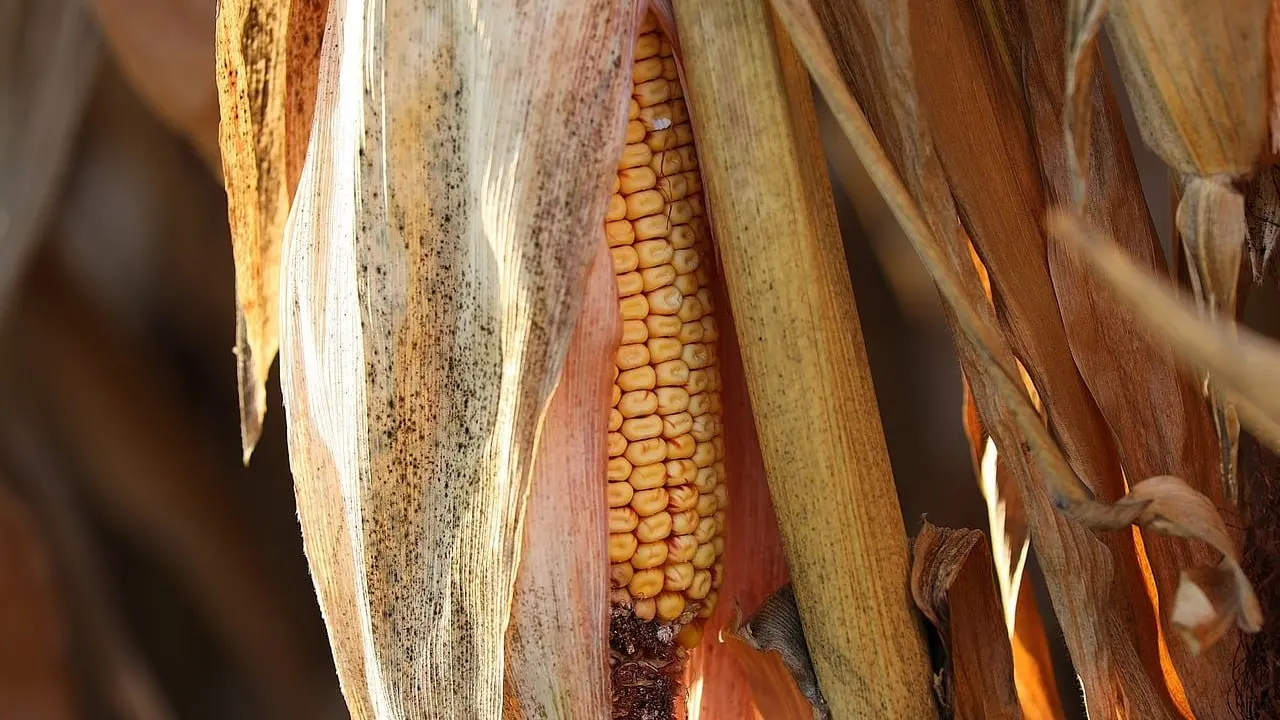
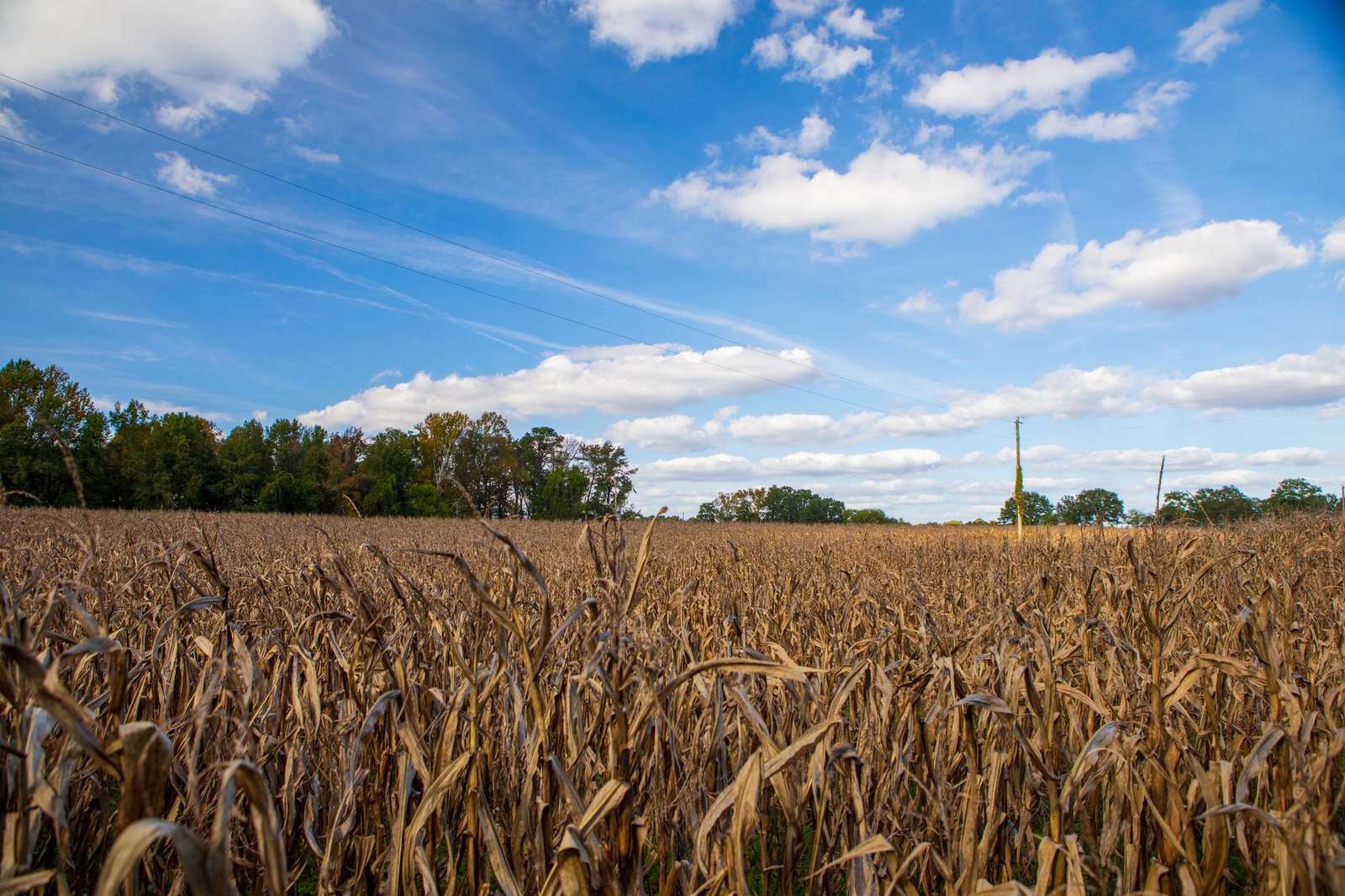
The United States offers the clearest numbers. A Scientific American blog post reported that for every 10 ears of corn grown in the country, only 2 are consumed directly by humans as food, and that the remaining 8 are used in almost equal shares for animal feed and for ethanol.
In the 12 months from August 2011 to 2012, US farmers used 5 billion bushels of corn for animal feed and residual demand, while the nation used more than 5.05 billion bushels to make fuel. That was the first time the biofuels industry used more corn for fuel than farmers used for livestock feed.
The same post notes that some of this corn returns to the food supply as animal feed and corn oil. These are figures from one period, and the post reflects its author’s view, so treat them as an illustration rather than today’s balance.
Prices, feed and who feels the effect
Corn is not the whole story, and the United States is not the whole world. Vegetable oils, sugar cane and cereals all play a role in different countries, and each market behaves differently.
When fuel makers buy more of a crop, they add to demand. Whether that raises food prices depends on how much spare supply exists, how quickly farmers can plant more, and what else is happening in energy and grain markets at the same time.
The effects are also uneven. Households that spend a large share of income on staple foods feel price swings most, while farmers who sell the crop may gain. That split is why the same biofuel policy can look helpful to one group and harmful to another.
- Consumers: exposed to any rise in staple food prices.
- Livestock producers: compete with fuel makers for grain, though they can use fuel co-products.
- Farmers: gain a further buyer for their crop.
- Governments: weigh energy goals against food security and climate targets.
Why land use change is the harder problem
Even where food crops are not directly burned as fuel, land is the shared resource. The European Commission explains that feedstock for food and feed crop-based biofuels often grows on cropland previously used to grow food or feed.
Because that farm output is still needed, production may extend agricultural land into non-crop land, possibly including high carbon stock areas such as forests, wetlands and peatlands. This is known as indirect land use change, or ILUC.
The Commission adds that ILUC can release CO2 stored in trees and soil, which puts the greenhouse gas savings of these biofuels at risk. So the debate is not only about plates and prices but also about whether the climate benefit holds up.
How policy has responded
The EU’s renewable energy directive tackles the issue with limits rather than a ban. According to the Commission, it sets limits for all food and feed crop-based biofuels, plus a separate limit on high ILUC-risk biofuels that gradually decreases to zero by 2030.
The directive also exempts biofuels certified as low ILUC-risk. For 2030, the Commission says EU countries must reach a 29% share of renewable energy in transport, or cut the emissions intensity of transport fuels by 14.5%, with a combined sub-target of 5.5% for renewable hydrogen and advanced biofuels.
These choices fit the broader EU bioeconomy strategy, which looks for ways to use biological resources without undermining food security or ecosystems.
Ways to ease the conflict
Most proposed fixes aim to use biomass that does not compete with food. The sources above describe co-products and low-risk certification:
- Co-products: using the protein-rich leftovers of fuel production as animal feed.
- Low-risk certification: exempting biofuels certified as low ILUC-risk from the directive’s limits.
For related context, see the circular bioeconomy explained guide. Each route has trade-offs in cost, supply and sustainability, so none ends the debate on its own.
How to read claims on either side
Headlines often compress a complicated picture into a slogan. A few habits help when you meet a bold claim about biofuels and food.
- Check which crop and which country the claim covers, since a corn figure says little about palm oil or sugar cane.
- Look at the year, because markets, policies and yields change.
- Ask whether co-products such as animal feed are counted, since they reduce the net use of the crop.
- Separate direct effects on crops from indirect effects on land, which are harder to measure.
- Notice who published the claim, as industry groups and campaign groups often stress opposite findings.
Applied this way, the debate becomes less a yes-or-no question and more a matter of which feedstocks, where, and under which safeguards. That is also why policy has moved toward limits and certification rather than a single rule for all biofuels.
Frequently asked questions
Do biofuels cause food shortages?
Show answer
The evidence is contested. Biofuels use a large share of some crops, such as US corn, but part of that returns as animal feed, and food prices also depend on weather, trade and energy costs.
What is indirect land use change?
Show answer
It is the expansion of farmland into non-crop land, such as forests or peatlands, when crops used for fuel displace food production elsewhere. The European Commission says it can release stored CO2.
Does the EU ban food-crop biofuels?
Show answer
Not in the source reviewed here. The Commission describes limits on food and feed crop-based biofuels and a high ILUC-risk limit falling to zero by 2030.
Are waste-based biofuels free of the problem?
Show answer
The evidence quoted here does not establish that waste-based biofuels are free of land-use impacts.