Wondering why wood can’t simply be fermented like sugar? Lignocellulosic biomass pretreatment is the answer: lignin and tough cellulose block enzymes, so wood must be opened up first.
This guide is part of a wider series on what are biofuels.
| Item | Key fact |
|---|---|
| Goal of pretreatment | Make cellulose open to enzymatic saccharification |
| Main barrier in wood | Lignin, especially high in softwood |
| Cellulose crystallinity | Gives cellulose low reactivity to chemicals and enzymes |
| Hemicellulose type | Softwood hexose-rich; hardwood pentose-rich |
| Unpretreated wood | Low rates and yields of saccharification |
These points come from a peer-reviewed review of hydrothermal pretreatment of lignocellulosic feedstocks. Research moves on, so check the source before you rely on them.
What makes wood so hard to break down?
Wood is built to last. Its cell walls combine cellulose, hemicellulose and lignin into a tightly organised composite that resists rot, insects and weather.
That same toughness is a problem for fuel makers. Researchers describe recalcitrance as a set of properties that obstruct the access of enzymes to cellulose, and the review states that enzymatic saccharification of raw lignocellulose would result in low rates and yields.
The structural features behind this include:
- the highly organised architecture of secondary cell walls;
- the particle size of the material;
- the porosity of the wood;
- the accessible surface area of cellulose.
A simple way to picture it
Think of wood as reinforced concrete. Cellulose fibres act like the steel bars, hemicellulose is the binder that links them, and lignin is the hardened filler that seals everything in.
A fuel maker wants the steel, which is the cellulose. Pretreatment is the demolition step that exposes it so that enzymes, which are far smaller than a saw blade, can reach their target.
The three building blocks and what each one does
Cellulose is the prize. It is a long sugar polymer that enzymes can turn into fermentable glucose, but its crystalline regions are stubborn: the review notes that crystallinity contributes to giving cellulose a low reactivity towards chemicals and enzymes.
Hemicellulose is a branched sugar polymer that wraps cellulose fibres. In woods it comes in different forms: the same review reports that softwood hemicelluloses are rich in hexose units, while pentose units are prevalent in hardwood hemicelluloses. That matters because the two sugar types ferment differently.
Lignin is an aromatic polymer that glues the structure together. Per the same source, it is primarily composed of three types of phenylpropanoid units, guaiacyl, syringyl and p-hydroxyphenyl.
Why softwood and hardwood are harder than straw
The review says that the lignin content is typically higher in wood than in gramineous biomass, and is especially high in softwood.
Lignin obstructs enzyme access to cellulose. The review puts this plainly: the association of lignin with polysaccharides makes enzymatic access to cellulose difficult, so removal of lignin is beneficial.
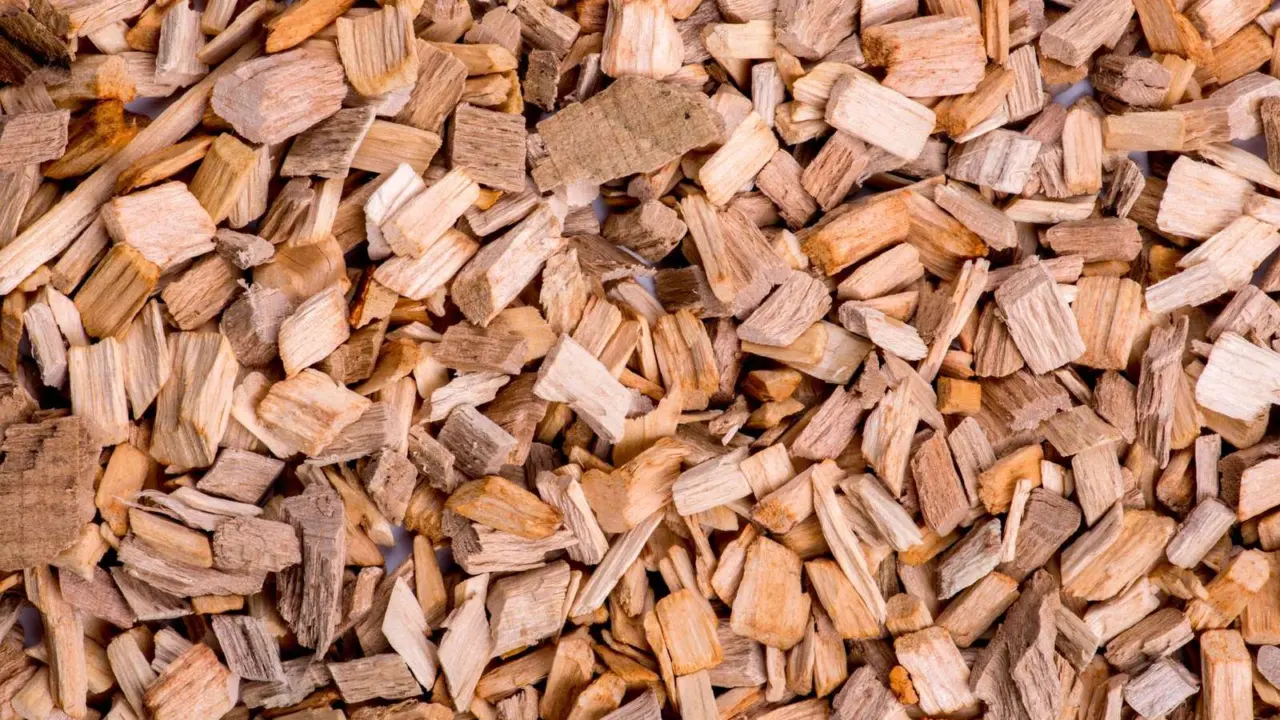
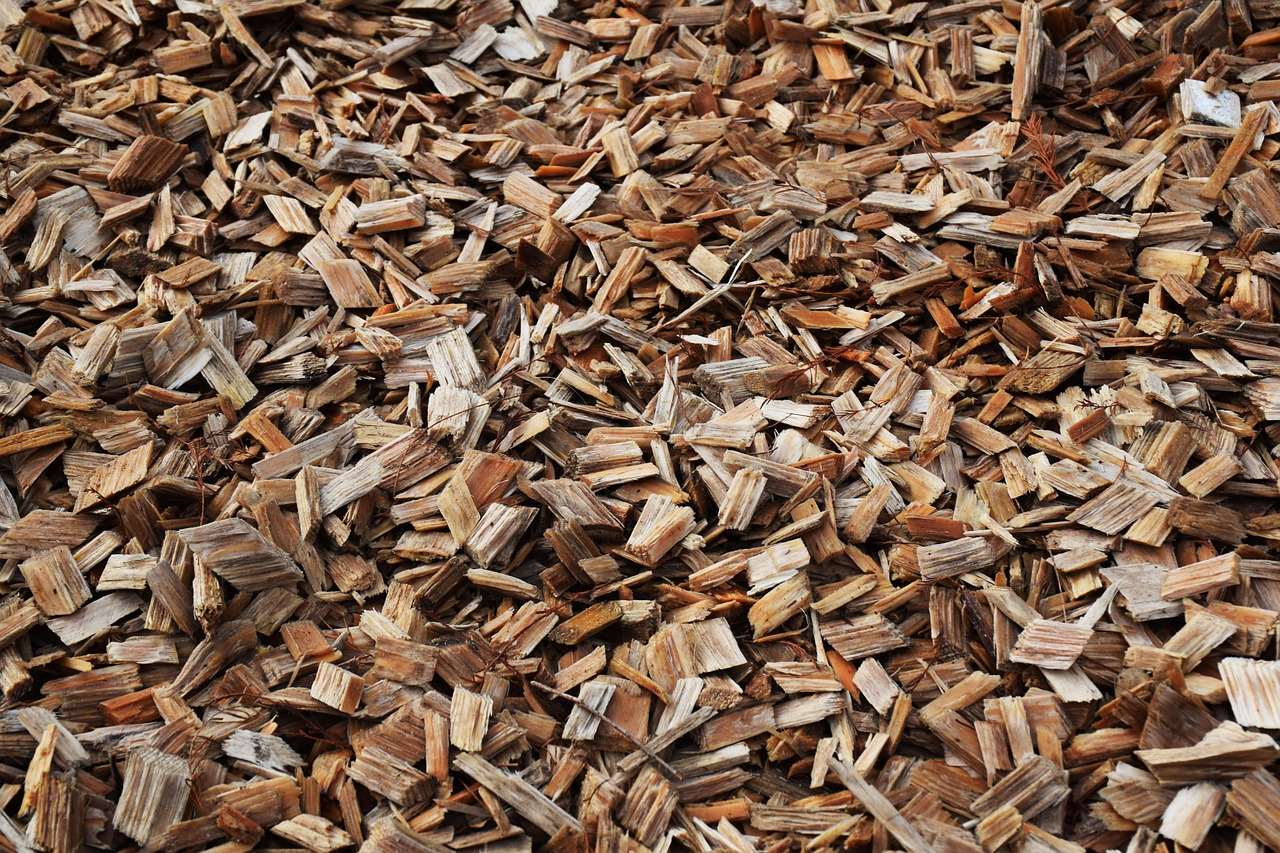
Operators also shred or chip wood first, because particle size is one of the structural features that affects access.
What lignocellulosic biomass pretreatment actually does
The aim is stated simply in the review: to facilitate the ensuing enzymatic saccharification of cellulose. In practice the treatment does one or more of these things:
- dissolves or moves hemicellulose;
- modifies or removes part of the lignin;
- raises porosity and accessible surface area;
- breaks the fibres into smaller, more open particles.
Methods fall into physical, chemical, hydrothermal and biological families, and they are often combined. The review focuses on hydrothermal treatment, which uses hot water, but the same logic holds across all of them.
Pretreatment is the first step of what the review calls the sugar-platform route. After pretreatment come enzymes, then fermentation or chemical conversion of the sugars. That route aims at advanced fuels; for concrete products, see these advanced biofuels examples.
The trade-offs: inhibitors and lost sugar
Pretreatment is not free. Heat and chemicals that open the wood can also create unwanted compounds. The review lists furan aldehydes and aliphatic acids in hydrolysates, along with newer suspects such as formaldehyde and p-benzoquinone, that can harm the microbes used later.
Another side effect is pseudo-lignin. It is an aromatic substance derived from carbohydrates during thermal treatment of biomass, so sugars can be turned into something that looks like lignin.
Designers therefore balance several things:
- open the structure enough for enzymes to work;
- keep sugars from degrading;
- limit inhibitors that slow fermentation;
- keep equipment and energy costs manageable.
Because the lignin is not wasted in a good design, many concepts aim to use it as a co-product rather than a residue. That is a reason the sugar route is paired with products beyond fuel.
What to look for when reading about a pretreatment method
Headlines about a new method often skip the difficult parts. A few questions help you judge any claim you meet.
- Which feedstock was tested? Softwood, hardwood and straw behave differently because their lignin and hemicellulose differ.
- Did the study measure sugar release after enzymes were added, not only the look of the treated material?
- Were inhibitors checked, and did fermentation still work on the treated liquid?
- What happened to the lignin: was it removed or altered?
- Was the test run only in a lab flask, or in larger equipment?
No single method wins on every point. A treatment that opens the wood very well may also generate more inhibitors, and a gentle one may leave too much lignin behind.
How this differs from gas-based routes
Not every bioenergy pathway needs this step. Biogas from wet waste relies on microbes in a digester, and the gas can then be upgraded. If you want that comparison, read about biogas vs biomethane for how those two gases differ.
Sugar-based routes depend directly on how well pretreatment exposes cellulose.
Frequently asked questions
Why can’t enzymes digest raw wood directly?
Show answer
Lignin and crystalline cellulose obstruct enzyme access, so saccharification of raw lignocellulose gives low rates and yields, according to the review cited above.
Is softwood harder to treat than hardwood?
Show answer
Softwood is especially high in lignin, and its hemicellulose is hexose-rich rather than pentose-rich, so the treatment and later fermentation often need different tuning.
Does pretreatment remove all the lignin?
Show answer
Not necessarily. The aim is to make cellulose accessible. Removing lignin helps, but a full removal is not required, and thermal steps can also form pseudo-lignin.
Is pretreatment only needed for wood?
Show answer
No. Any lignocellulosic feedstock, including straw and other residues, is recalcitrant to some degree. Wood is simply the demanding end of the range because of its lignin content.
What are inhibitors?
Show answer
They are compounds, such as furan aldehydes and aliphatic acids, formed during treatment that can slow enzymes or fermenting microbes.