You may have heard that biofuels are “carbon neutral” and wondered if that holds up. Are biofuels carbon neutral? Not automatically: it depends on the feedstock, the land and the full lifecycle.
This guide builds on what are biofuels, so start there if the basics are new.
| Item | Value |
|---|---|
| Lifecycle scope in US law (EISA) | Direct emissions plus significant indirect emissions such as land use change |
| Threshold for biomass-based diesel | 50% lifecycle reduction |
| Threshold for advanced biofuel (e.g. sugarcane ethanol) | 50% lifecycle reduction |
| Threshold for cellulosic biofuels | 60% lifecycle reduction |
| Feedstocks best suited to simple carbon accounting | Agricultural residues from annual crops; short rotation perennial energy crops |
Figures come from the US EPA final rule published in the Federal Register on March 26, 2010 and an EESI summary of an EPA science panel review. Rules and figures can change, so check the sources before you rely on them.
Where the “carbon neutral” idea comes from
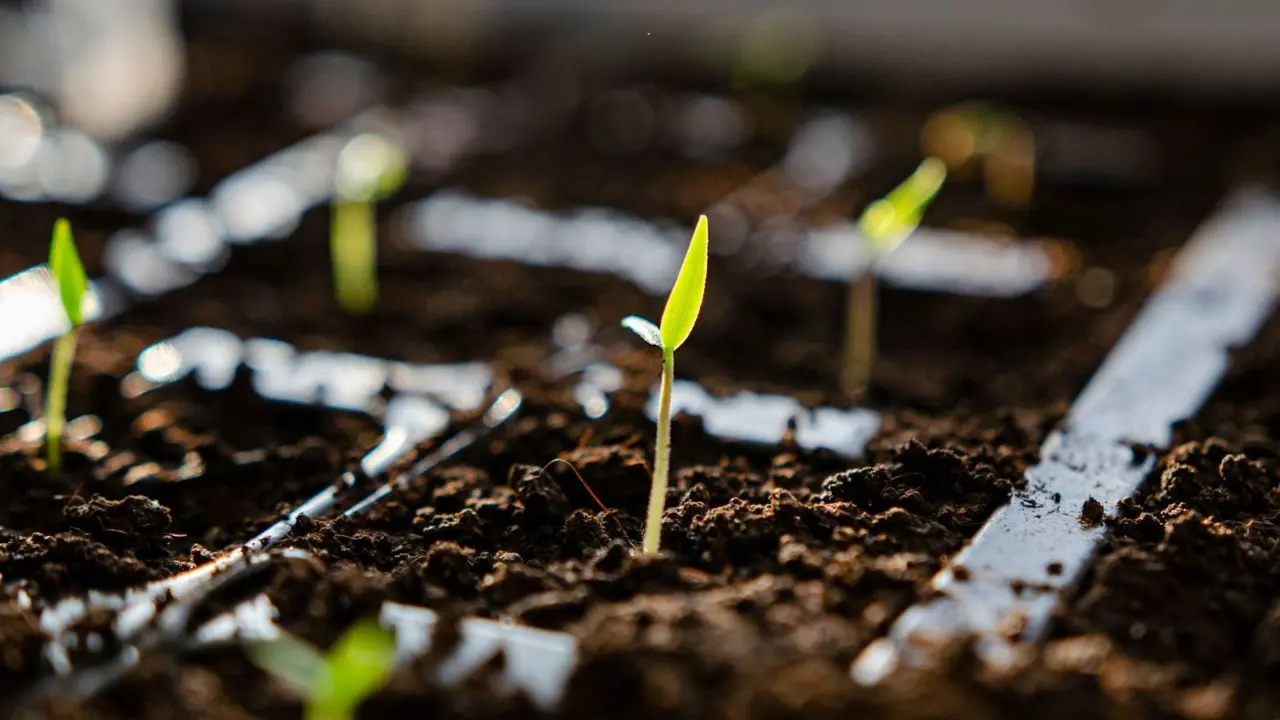
The argument is a simple loop. A plant takes carbon dioxide from the air as it grows, and burning the fuel made from it releases that carbon again.
If the loop closes quickly, the net addition to the atmosphere is close to zero. That logic is sound for some feedstocks, but it only describes the fuel’s burning, not everything that happens before and after.
Fossil fuels differ because they release carbon that has been locked underground for millions of years. That is the real contrast biofuels offer, and it explains why the neutral label became popular.
Why the label is too simple
Growing, harvesting, hauling and refining all use energy and cause emissions. Fertiliser, diesel for tractors and process heat in a refinery are common examples.
The science panel summarised by EESI agreed with EPA on a key point. In its words: “The panel agreed with the EPA that not all biogenic emissions are a priori carbon neutral”. The panel also said the framework suited feedstocks with shorter carbon cycles.
Here is what usually decides whether a biofuel comes close to neutral:
- Feedstock type: residues and fast-growing perennials recapture carbon quickly.
- Time: trees take decades to regrow, so the carbon debt can last a long time.
- Land: what the land held before the crop matters a great deal.
- Process energy: a refinery run on fossil heat adds emissions.
What is lifecycle accounting?
Regulators answer the question with lifecycle assessment, which counts emissions from every stage. US law asks for “direct emissions and significant indirect emissions such as significant emissions from land use changes”, covering feedstock production, distribution and use, according to EPA’s 2010 rule.
Notice that this is not a neutral-or-not test. It measures a percentage reduction compared with the fossil fuel it replaces.
The rule links reductions to fuel type. Its text says biodiesel can meet “the 50% threshold for biomass-based diesel, sugarcane with the 50% threshold for advanced biofuel and multiple cellulosic-based fuels with their 60% threshold.” None of these thresholds is a full reduction, so even qualifying fuels are not claimed to be carbon neutral.
The reference point matters too. Each percentage is measured against the petroleum fuel the biofuel displaces, so a fuel that scores well is better than gasoline or diesel, not free of emissions. A reader who sees a bare “low carbon” claim should ask which baseline and which method sit behind it.
Lifecycle models also carry uncertainty. Results shift with assumptions about crop yields, fertiliser use, co-products and how far land use effects reach, which is why agencies publish method notes alongside results. Two studies of the same fuel can both be careful and still differ.
Land use change: the hidden term
The biggest uncertainty is often land use change. If a crop for fuel pushes food production onto new land, clearing that land can release stored carbon.
EPA’s rule stated that a complete analysis includes “significant indirect emissions from international land use change”. This is why the same crop can look good or bad depending on where it grows and what it displaces.
Readers comparing feedstocks can look at what is renewable diesel and its feedstocks.
How to judge a specific biofuel
Instead of asking whether a fuel is neutral, ask how large its reduction is and how that was measured. Gas fuels follow the same logic, as biogas vs biomethane shows for waste-based supply.
- Find the feedstock and whether it is a waste, a residue or a dedicated crop.
- Check whether land use change is included in the lifecycle figure.
- Look at the time needed to regrow the carbon that was released.
- Compare the percentage reduction against a fossil baseline, not against zero.
Treat claims of total carbon neutrality with caution unless a lifecycle study backs them up.
Timing, forests and the carbon debt
Time is the part most often missed. A field of annual crops recaptures its carbon within a season, so the loop closes fast.
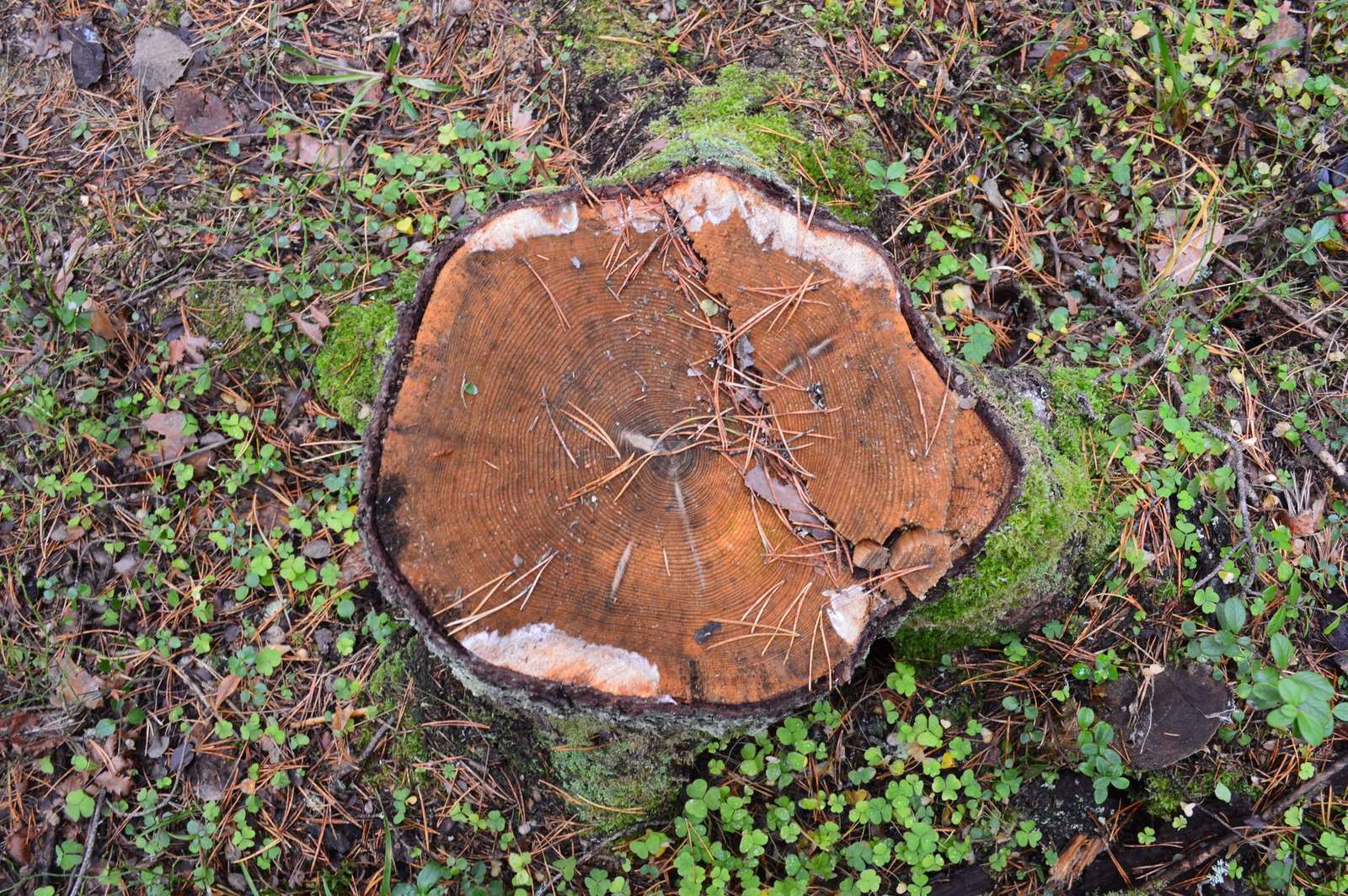
A forest is different. Burning wood releases carbon now, while regrowth can take many decades, so the atmosphere carries extra CO2 in the meantime. That gap is often called a carbon debt.
This matters for climate goals with near deadlines. A fuel that is neutral only after a long wait helps less than one that is neutral within a few years.
For liquid transport fuels, most feedstocks are crops, oils and wastes rather than whole trees. Still, the same questions apply: what was growing on the land before, and how long until the carbon is recovered?
Co-products add another wrinkle. When a plant makes fuel and also animal feed or power, analysts must decide how to share the emissions between them, and that choice can move the final score noticeably.
What this means for readers
Biofuels can cut emissions compared with fossil fuels, and some feedstocks can cut them by a lot. The honest summary is “lower carbon, with a range”, not “zero carbon”.
For students and general readers, three habits help. Look for the feedstock first, check whether land use change is counted, and read the percentage reduction instead of the slogan.
Policy uses the same approach. The thresholds in US rules reward fuels that perform better in lifecycle terms, and they separate corn-based, advanced and cellulosic pathways instead of treating all biofuels alike.
Frequently asked questions
Are biofuels carbon neutral?
Show answer
Not by default. Lifecycle assessments include fuel and feedstock production, distribution and use.
Why do national inventories not count biofuel combustion CO2?
Show answer
Biogenic emissions are not automatically carbon neutral. For regulation, the EPA science panel advised that emissions from stationary biogenic sources should be neither categorically excluded nor treated in the same way as emissions from stationary fossil-fuel sources.
Which feedstocks are closest to neutral?
Show answer
The EPA science panel pointed to agricultural residues from annual crops and short rotation perennial energy crops as best suited to simple accounting.
Does a 50% or 60% threshold mean half the carbon is offset?
Show answer
It means the fuel must cut lifecycle emissions by that share against the fossil baseline. The threshold is a minimum reduction, not an exact emissions figure.