Wondering what is bioethanol and why it sits in your petrol? It is ethanol, a clear alcohol fermented from plant sugars and starch, mostly blended into gasoline as a renewable fuel.
| Item | Value |
|---|---|
| Share of US ethanol made from corn starch | 94% |
| Share of US ethanol plants that are dry mills | Nearly 90% |
| Energy per gallon of denatured ethanol versus gasoline | About 30% less |
| Ethanol in standard E10 gasoline | 10% by volume |
| Ethanol range in E85 flex fuel | 51%-83% |
Figures come from the US Department of Energy’s Ethanol Fuel Basics page and the US Energy Information Administration. They can change, so check the sources before you rely on them.
What bioethanol is
Bioethanol is ethanol (CH3CH2OH) made from biomass instead of from fossil sources. The US Alternative Fuels Data Center describes ethanol as a clear, colorless liquid.
It is one member of the wider family explained in the guide to what are biofuels. Chemically it is the same molecule as drinking alcohol, but fuel ethanol is denatured so it cannot be consumed.
Because the carbon in the fuel was recently taken up by growing plants, it is treated as a renewable fuel. How much greenhouse gas it saves depends heavily on the crop and the production method.
Where bioethanol comes from: feedstocks
The Department of Energy’s feedstock page says that, today, nearly all ethanol produced in the world is derived from starch- and sugar-based feedstocks. Their sugars are easy to extract and ferment, which keeps large-scale production affordable.
Feedstocks fall into three broad groups:
- Starch crops: corn is the leading US crop and the feedstock for most domestic ethanol.
- Sugar crops: sugar cane and sugar beet. The EIA notes that Brazil, the world’s second-highest fuel ethanol producer after the United States, makes most of its fuel ethanol from sugar cane.
- Cellulosic material: crop residues, wood residues, dedicated energy crops, and industrial and other wastes. These are non-food based.
In the United States, 94% of ethanol is produced from the starch in corn grain, according to the Alternative Fuels Data Center.
The reason is practical. Starch and sugar crops are already grown, harvested and traded at scale, so plants can buy them on existing markets. Cellulosic material is plentiful, but collecting it, storing it and breaking it down adds steps and cost.
How bioethanol is made
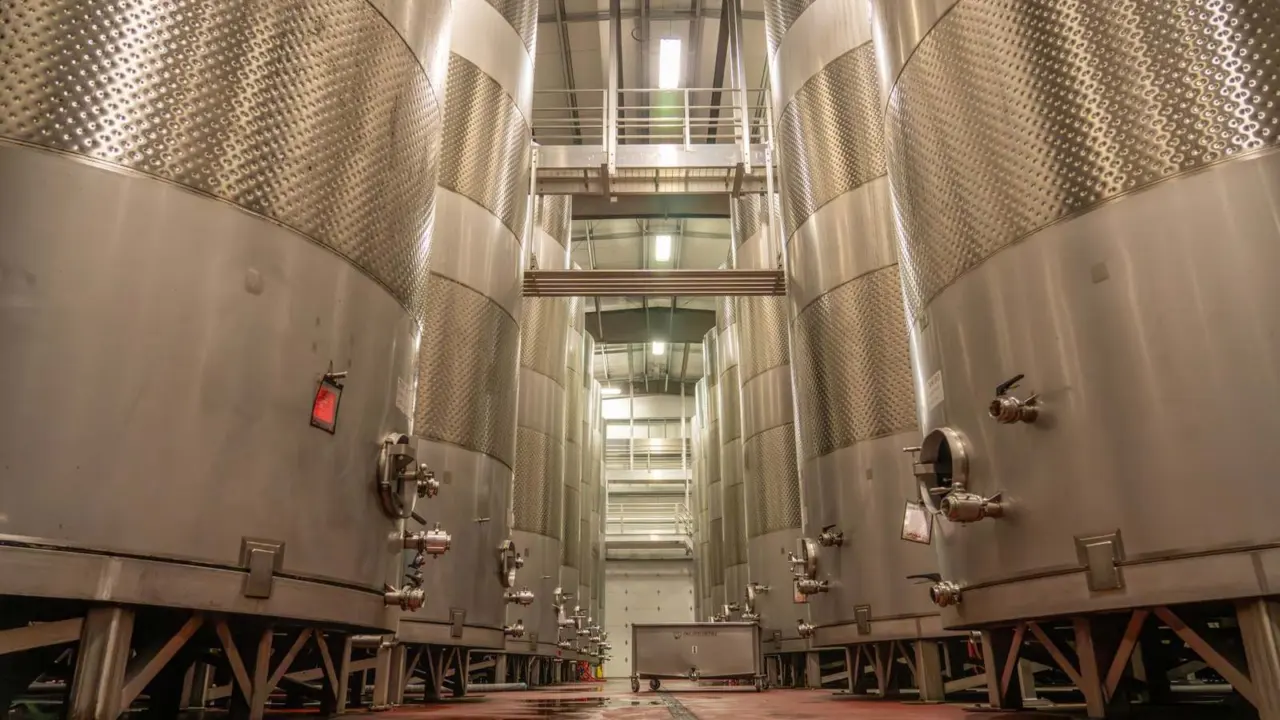
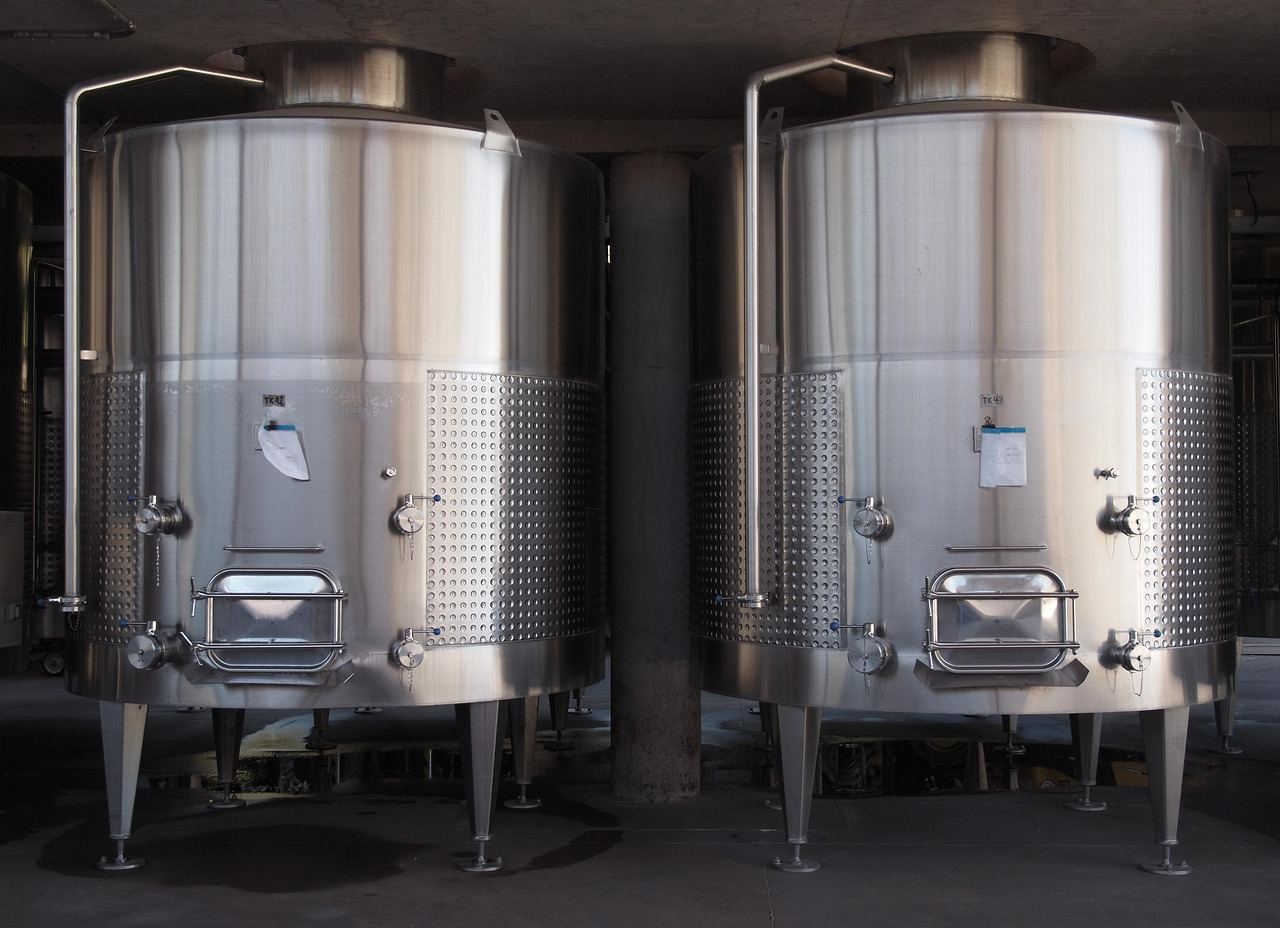
Most routes rely on yeast fermentation: sugars are turned into ethanol, then the liquid is distilled and denatured. What changes between feedstocks is the work needed to free the sugars first.
Starch and sugar route
Most US ethanol comes from starch crops by dry- or wet-mill processing. Nearly 90% of ethanol plants are dry mills because of lower capital costs.
Sugar cane and beet are simpler still, because their sugars are already available to ferment.
Cellulosic route
The Department of Energy says cellulosic production is a more involved process than using starch crops. There are two primary pathways, biochemical and thermochemical.
Cellulosic routes sit within the group usually called second generation biofuels. The same department page says this route is not as common as starch-based production. See the department’s page on ethanol production.
How bioethanol is used
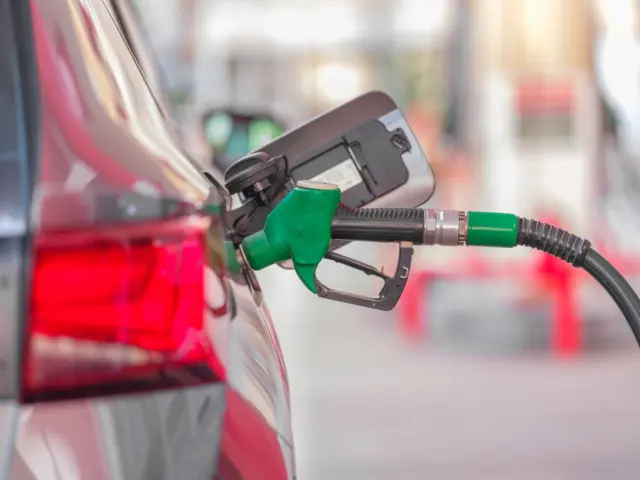
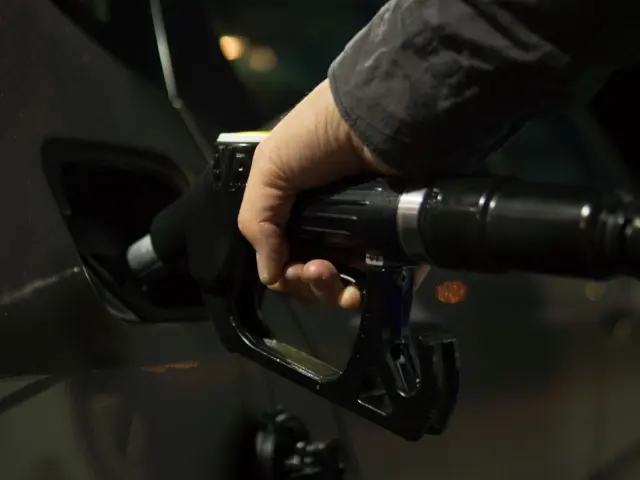
Most people meet bioethanol at the pump, as a blend with gasoline. Typical gasoline contains E10, which is 10% ethanol and 90% gasoline, and the Department of Energy’s fuel basics page says this reduces air pollution.
The EIA describes the three common blends.
- E10: 10% ethanol by volume. Any gasoline-powered vehicle in the United States can use it.
- E15: cars, light trucks and medium-duty vehicles starting with model year 2001 can use it.
- E85: contains 51%-83% ethanol depending on location and season. Only flexible-fuel vehicles can use it.
Blends matter because they decide which engines can burn the fuel safely. E10 is the everyday default, while E85 is a specialist fuel mainly sold in the Midwest.
In Brazil, the EIA reports that most cars can run on pure ethanol or on a blend of gasoline and ethanol. Check your vehicle’s manual before choosing a higher blend.
Ethanol carries less energy than gasoline. Per the same page, denatured ethanol (98% ethanol) contains about 30% less energy per gallon, so higher blends usually give fewer miles per gallon.
Energy balance and sustainability
The Alternative Fuels Data Center says energy is required to turn any raw feedstock into ethanol. Corn ethanol shows a positive energy balance, meaning the process does not need more energy than the fuel contains.
Corn ethanol also meets the renewable fuel category of the Renewable Fuel Standard, which is limited to 15 billion gallons, according to the department’s feedstock page. Land use, fertilizer and food-versus-fuel questions remain real debates, so judge any claim by its feedstock and method.
Ethanol is a gasoline-type fuel, while diesel engines use a different biofuel, and you can read about how is biodiesel made for that side of the story.
Why feedstock choice matters
Each feedstock changes the picture in a different way:
- Corn: abundant and easy to process, but it is also a food and feed crop, and growing it needs fertilizer and water.
- Sugar cane: sugars ferment directly, so the process is shorter than for starch.
- Cellulosic material: avoids food crops, but the Department of Energy notes it is more challenging to release the sugars for conversion.
In short, bioethanol is neither automatically clean nor automatically harmful. The honest answer depends on what grew the sugar, how much energy the plant uses, and what happens to the coproducts, which is why independent assessments look at each pathway separately.
If you are comparing fuels, three questions help: which feedstock was used, which blend you would burn, and whether your engine is built for it. Those three checks cover most everyday decisions about ethanol at the pump.
Frequently asked questions
Is bioethanol the same as ethanol?
Show answer
Chemically yes. “Bioethanol” simply stresses that it is made from biomass, such as corn or sugar cane, rather than from fossil sources.
What is bioethanol mostly made from?
Show answer
In the United States, 94% of ethanol comes from corn starch. Brazil makes most of its fuel ethanol from sugar cane.
Can my car run on bioethanol?
Show answer
Usually yes for low blends such as E10, but E85 needs a flexible-fuel vehicle, so check your manual first.
Does ethanol give less mileage than gasoline?
Show answer
Yes. Denatured ethanol contains about 30% less energy per gallon than gasoline, with the loss depending on the blend percentage.