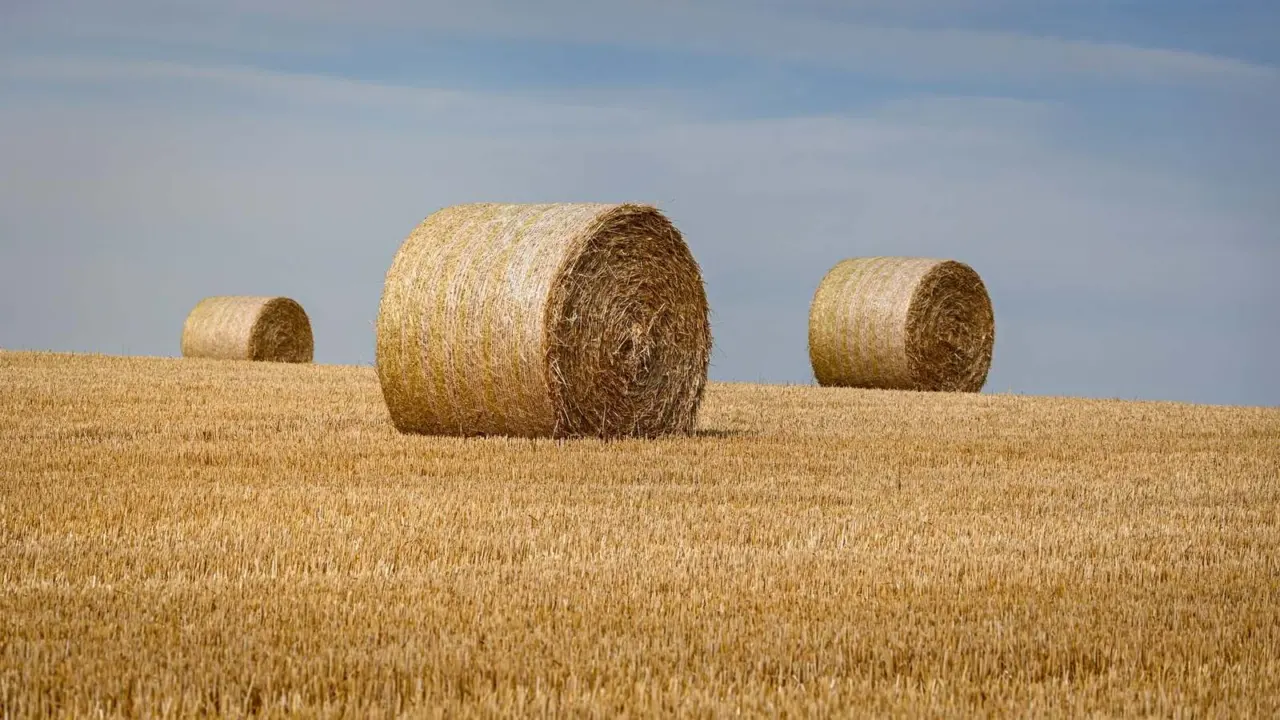
Wondering what non-food materials can be made into fuel? Second generation biofuels are made from non-food biomass such as straw, wood residues and energy grasses.
| Item | Value |
|---|---|
| Key IEA Bioenergy report on the topic | Nov 2008 |
| Typical feedstocks | Cereal straw, bagasse, forest residues, energy grasses, short rotation forests |
| Feedstocks compared in one GLBRC study | Five herbaceous crops (two annuals, three perennials) |
| Pretreatment used in that study | Ammonia fiber expansion (AFEX) |
| Main barrier named by IEA Bioenergy | Major constraints to commercial deployment |
Figures come from IEA Bioenergy and the Great Lakes Bioenergy Research Center. They can change, so check the sources before you rely on them.
What second generation biofuels are
These fuels are produced from non-food biomass rather than from grains, sugar crops or vegetable oils. The aim is to cut the clash between fuel and food, and to use material that is otherwise left in the field or the forest.
If you are new to the wider topic, start with what are biofuels, which covers the main fuel families. This page focuses on the branch that relies on plant fibre.
The term is used loosely. Sometimes it describes the feedstock (non-food material), and sometimes the technology (breaking down tough plant fibre). Most uses overlap, which is why the labels “advanced” and “cellulosic” often appear alongside it.
How they differ from first generation fuels
First generation fuels use the edible part of a crop: starch from grain, sugar from cane or beet, or oil from seeds. The conversion is simple and well proven, which is why these fuels reached the market first.
The trade-off is that the same crops feed people and animals. Second generation fuels try to avoid that by using the stalks, husks, offcuts and fibre that remain, or crops grown mainly for energy.
The difference shows up in three places:
- Raw material: cheap, bulky fibre instead of grain, sugar or oil.
- Process: extra pretreatment to open up the plant structure.
- Economics: economic challenges were noted in the 2008 report.
Which non-food feedstocks are used?
The IEA Bioenergy report published in Nov 2008 states that “Feedstocks from ligno-cellulosic materials include cereal straw, bagasse, forest residues, and purpose-grown energy crops such as vegetative grasses and short rotation forests.” You can find it at IEA Bioenergy.
In practice the feedstocks fall into three groups:
- Agricultural residues: straw, corn stover and bagasse left after a food crop is harvested.
- Forestry residues: branches, tops and sawmill by-products that have little other use.
- Dedicated energy crops: perennial grasses and fast-growing trees, ideally grown on land that is poorly suited to food.
Each group has a different supply pattern. Residues are seasonal and scattered, while energy crops need land, time to establish and a buyer willing to commit to them.
How the fuel is made from plant fibre
Plant fibre is built from cellulose, hemicellulose and lignin, which is why it is called lignocellulosic biomass. The sugars are locked inside a tough structure, so the material needs pretreatment before it can be turned into fuel.
There are two main routes:
- Biochemical: pretreat the biomass, use enzymes to release sugars, then ferment them to ethanol or other fuels.
- Thermochemical: heat the biomass with gasification or related processes to produce a gas or liquid, then upgrade it into fuel.
Cellulosic ethanol is the best-known biochemical product, and the explainer on what is bioethanol explains how the same fuel is made from sugar and starch crops. Thermochemical routes can also supply drop-in fuels, including those discussed under what is sustainable aviation fuel.
What research says about feedstock flexibility
The Great Lakes Bioenergy Research Center tested five herbaceous feedstocks: two annuals (corn stover and energy sorghum) and three perennials (switchgrass, miscanthus and restored prairie). All were pretreated with ammonia fiber expansion, hydrolyzed and fermented.
The researchers reported that a range of plant types could be used in a lignocellulosic ethanol refinery without a major impact on field-scale ethanol yield. That suggests a plant could accept mixed supply rather than depend on one crop. Details are on the GLBRC summary page.
The study also found that biomass quality was the main driver of ethanol yield for high-yielding crops, while biomass yield mattered most for low-productivity crops. So the best improvement target depends on the crop.
Where the fuels end up being used
The fuel itself is chemically similar to its first generation cousin. Cellulosic ethanol is blended into petrol, and thermochemical routes can produce diesel-type or jet-type fuels that fit existing engines and fuel networks.
That compatibility is a main attraction. Sectors that are hard to electrify, such as aviation, shipping and heavy freight, look to liquid fuels made from waste and residues as one way to lower emissions without replacing equipment.
The real emissions saving depends on the whole chain, not the label. Collection, transport, processing energy and any land-use change all count, so lifecycle assessments are the right tool for comparing one pathway with another.
Co-products matter too. Lignin left after sugar extraction can be burned for process heat and power, which can improve the energy balance of a plant and reduce its need for outside energy.
How to judge a claim about these fuels
News about a new plant or a new fuel often uses the phrase loosely. A few checks help you separate a real project from a promise.
- Ask what the feedstock is. Straw and forest residue are different from a crop grown on farmland.
- Ask about scale. A pilot or demonstration plant is not the same as continuous commercial output.
- Ask what the fuel is. Ethanol, diesel-type fuels and jet fuel use different routes and different standards.
- Ask who verified it. Agencies, research centers and standards bodies give firmer numbers than press releases.
It also helps to look at the date. Technology and policy in this field move, and a figure from a few years ago may no longer describe the market.
Limits and open questions
The same IEA Bioenergy report says that “2nd-generation biofuels still face major constraints to their commercial deployment,” as stated in its Nov 2008 publication. That is a dated assessment, so check newer IEA Bioenergy work for the current picture.
Practical issues to consider include:
- Logistics: bulky, low-density biomass is costly to collect and transport.
- Sustainability: removing too much residue can harm soil, and energy crops can still compete for land.
- Policy: investors usually need stable support before they build a first-of-a-kind plant.
None of these is unsolvable, but they mean the label “non-food” does not by itself guarantee a good outcome. Feedstock choice, land use and local supply all matter.
Frequently asked questions
Are second generation biofuels the same as advanced biofuels?
Show answer
The terms overlap and are often used interchangeably, but definitions differ by author and by law. Check how a given policy or report defines the term.
Do they compete with food?
Show answer
They are designed to use non-food material, which lowers the direct clash. Energy crops grown on good farmland could still compete for land.
What is lignocellulosic biomass?
Show answer
It is plant material made mainly of cellulose, hemicellulose and lignin, such as straw, wood residues and grasses.
Why are they not more common?
Show answer
IEA Bioenergy’s Nov 2008 report pointed to major constraints on commercial deployment, including technical and economic challenges.