Wondering about biogas vs biomethane? Biogas is the raw gas from decaying organic matter; biomethane is that gas cleaned up until it behaves like natural gas.
This guide sits within the wider topic of what are biofuels, and it focuses on one question: where raw gas ends and the upgraded fuel begins.
| Item | Value |
|---|---|
| Main constituents of raw biogas | Methane and carbon dioxide |
| Methane content of raw biogas | 45 to 65 percent |
| Methane content once upgraded | 90 percent or greater |
| Typical methane content of pipeline-injected RNG | 96 to 98 percent |
| Substances removed during upgrading | Water, carbon dioxide, hydrogen sulfide and other trace elements |
The figures come from the US EPA Landfill Methane Outreach Program page (January 2021 snapshot) and the US Department of Energy’s Alternative Fuels Data Center. They can change, so check the sources before you rely on them.
What is biogas?
According to the Alternative Fuels Data Center, biogas is produced from various biomass sources through a biochemical process such as anaerobic digestion, or through thermochemical means such as gasification. In plain terms, microbes break down organic material without oxygen and give off a gas.
The principal constituents are methane and carbon dioxide, with smaller amounts of other compounds. Because carbon dioxide takes up a large share of the volume, raw biogas burns less energetically than natural gas.
Common sources of biogas include:
- Landfills, where the same process happens in the ground. The result is called landfill gas.
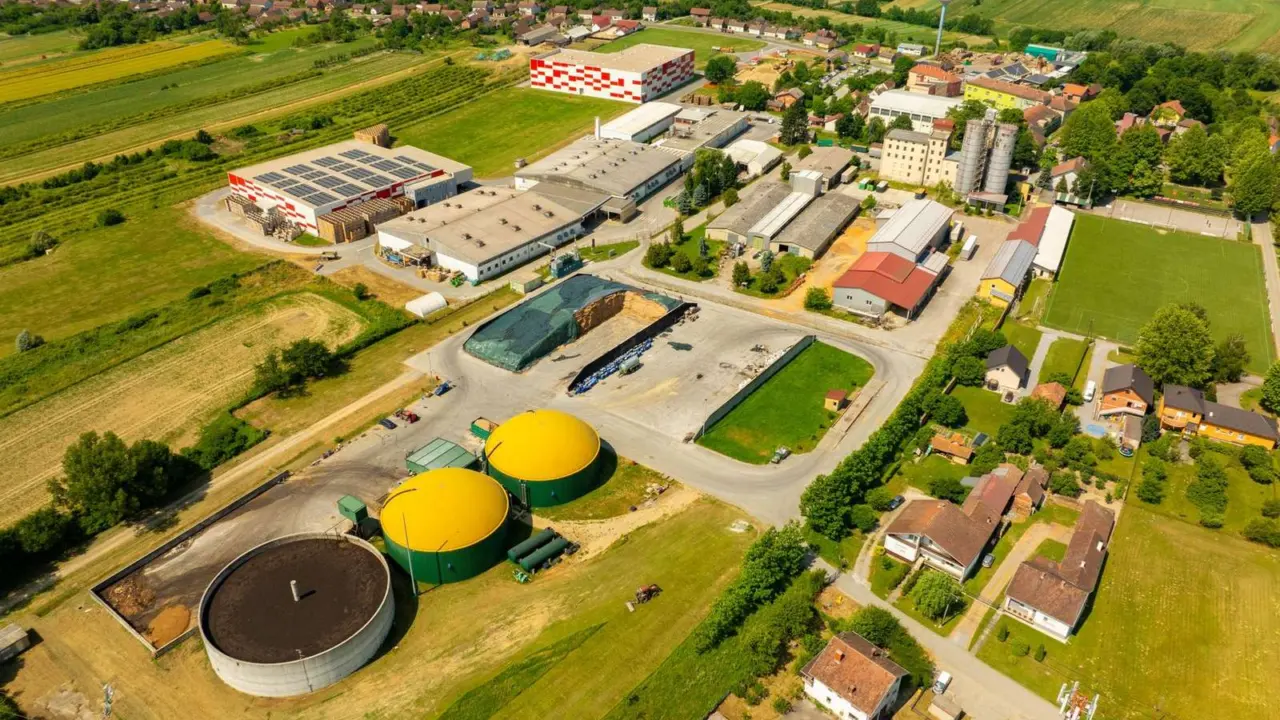
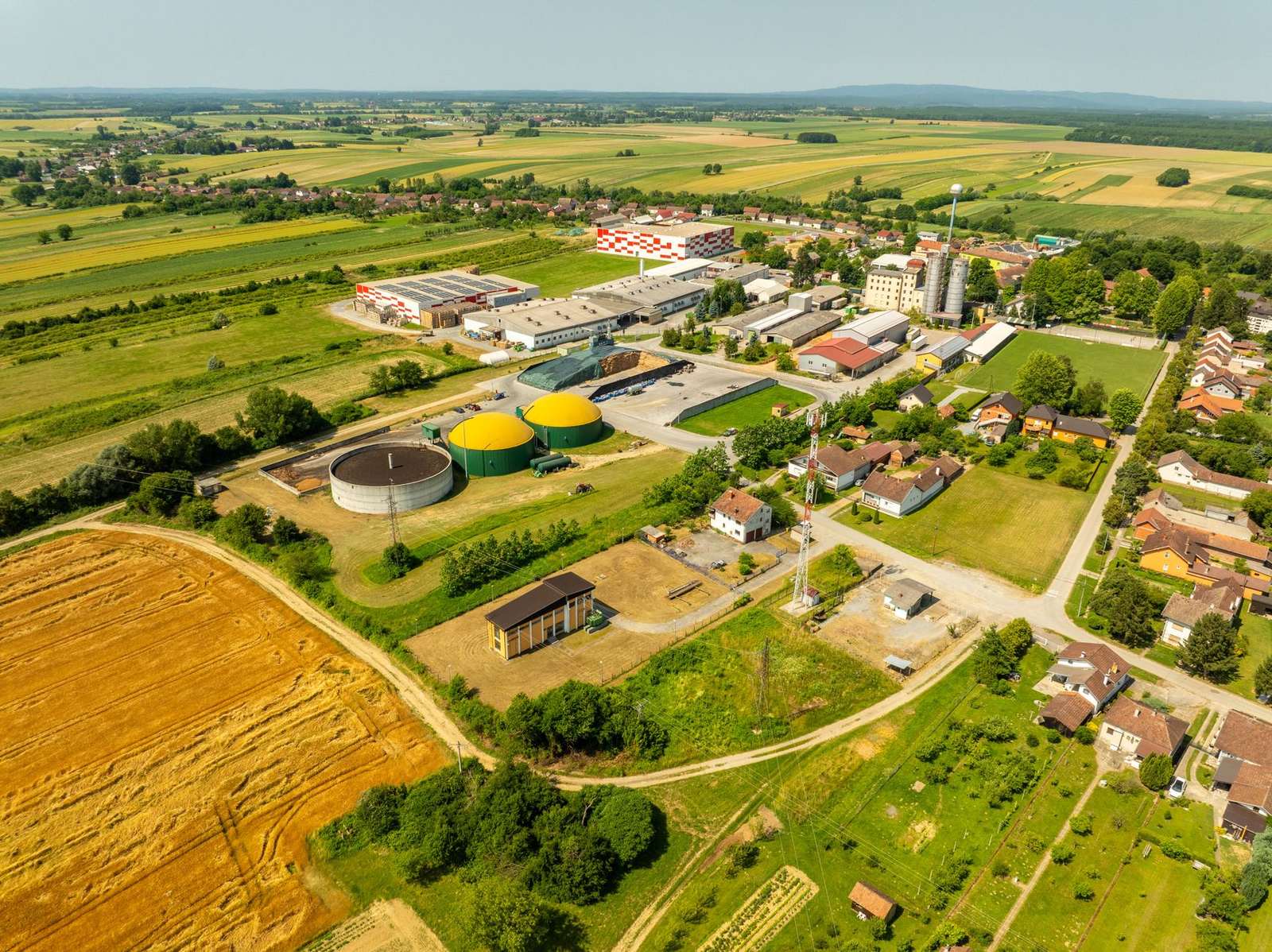
- Anaerobic digesters at farms, which process manure and crop residues.
- Wastewater treatment plants, which digest sewage sludge.
- Food waste digesters at processing plants and municipal facilities.
Raw biogas is often used close to where it is made. Typical uses are heating a building, running an engine or generating electricity on site.
What is biomethane?
The Alternative Fuels Data Center describes biomethane as another term for purified, pipeline-quality fuel. It is biogas that has been cleaned and conditioned to remove or reduce non-methane elements. You will also see it called renewable natural gas, or RNG.
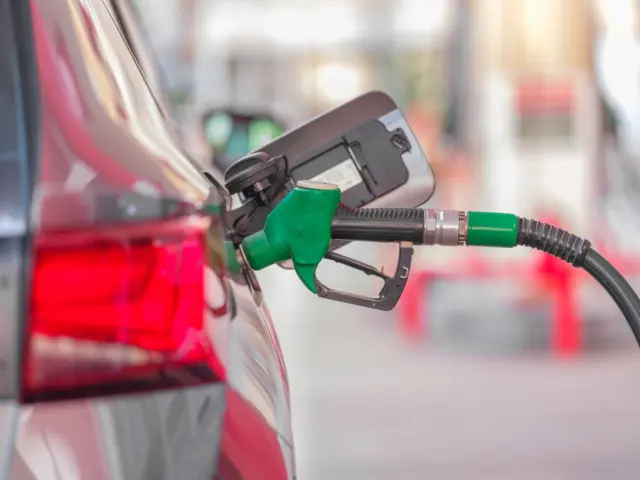
The same source says the resulting fuel has a higher content of methane than raw biogas. That makes it comparable to conventional natural gas, and so suitable for applications that require pipeline-quality gas, such as vehicles.
How does upgrading turn biogas into biomethane?
The step between the two gases is called conditioning or upgrading. It involves the removal of water, carbon dioxide, hydrogen sulfide and other trace elements.
Each impurity matters for a different reason:
- Water can condense in pipes and cause corrosion.
- Hydrogen sulfide is toxic and corrosive to equipment.
- Carbon dioxide dilutes the fuel and lowers its energy content per unit of volume.
Common upgrading technologies include water scrubbing, chemical solvent scrubbing, pressure swing adsorption and membrane separation. They all work on the same principle: the gases in the mixture behave differently, so they can be separated.
A second route to biomethane exists. Biomass can be gasified and the product converted to methane.
Biogas and biomethane compared by methane content
The US EPA says raw biogas has a methane content between 45 and 65 percent, depending on the feedstock. It must go through a series of steps to be converted into RNG. Once upgraded, the gas has a methane content of 90 percent or greater, as of the EPA’s January 2021 snapshot.
The same page says RNG injected into a natural gas pipeline typically has a methane content between 96 and 98 percent. A pipeline operator may set its own limits, so the exact figure depends on where the gas enters the network.
Side by side, the two gases differ in four ways:
- Treatment: biogas is raw or lightly treated, while biomethane is cleaned and conditioned.
- Main components: biogas is methane and carbon dioxide, while biomethane is mostly methane.
- Typical use: biogas often serves on-site heat or power, while biomethane goes into pipelines or vehicles.
- Equipment: biogas often needs adapted burners and engines, while biomethane is comparable to conventional natural gas.
A higher methane share means more energy in each cubic metre of gas. That is why upgrading is the line between a local fuel and a product that can be traded and moved over long distances.
The gap also shows in how the gas is measured and sold. Raw biogas varies from site to site and even from day to day, because the feedstock and the digestion conditions change. Biomethane is brought to a steady specification, so buyers and network operators can rely on a consistent product.
Which one makes sense for a project?
The choice depends on scale, location and the end use.
Biomethane takes extra equipment and operating effort.
In practice, a project team starts from the end use, because the end use sets how clean the gas has to be. Gas used next to the digester only has to suit the equipment that burns it. Gas sent to a pipeline or a vehicle has to meet the limits that the pipeline operator or the fuel buyer sets.
When you read a project announcement, check which of the two gases the numbers describe. A figure for biogas and a figure for biomethane are not interchangeable, because the second is measured after cleaning and conditioning.
Names also vary between sources. The Alternative Fuels Data Center treats biomethane as another term for purified, pipeline-quality fuel, and you will also see it called renewable natural gas or RNG, so a headline may use any of the three terms for the same product.
Questions that usually decide it:
- Is there a user for heat or power within reach of the digester?
- Is a gas pipeline close enough to connect?
- Is there demand for a low-carbon vehicle fuel nearby?
- Does the volume of gas justify the cost of upgrading equipment?
Climate claims need care too. Capturing methane that would otherwise escape from waste has a benefit, but the full picture depends on the feedstock and on leaks along the chain. For more on that, read are biofuels carbon neutral.
Where do feedstocks fit in?
Wet wastes such as manure, sludge and food scraps suit anaerobic digestion. Woody and fibrous material is harder for microbes to break down, so it often needs gasification or a preparatory step. The article on lignocellulosic biomass pretreatment explains how tough plant material is made easier to convert.
Feedstock choice also shapes the day-to-day work of a plant. Steady supply, moisture, and the mix of materials all affect how well the microbes perform.
Frequently asked questions
Is biomethane the same as renewable natural gas?
Show answer
In practice, yes. The Alternative Fuels Data Center says the resulting RNG, or biomethane, has a higher content of methane than raw biogas.
Can raw biogas go straight into a gas pipeline?
Show answer
Generally not. It must first be upgraded, because the EPA says raw biogas must go through a series of steps to be converted into RNG, as of its January 2021 snapshot.
What is removed when biogas is upgraded?
Show answer
The Alternative Fuels Data Center lists water, carbon dioxide, hydrogen sulfide and other trace elements.
Does biomethane work in vehicles?
Show answer
Yes. The Alternative Fuels Data Center says biomethane suits applications that require pipeline-quality gas, such as vehicle applications.