Wondering about biomass energy pros and cons? Biomass is a renewable, storable fuel that can cut waste, but burning it brings air pollution, and its climate benefit depends on how the feedstock is sourced and managed.
| Item | Value |
|---|---|
| Global bioenergy use, 2020 | About 44 exajoules (EJ), around 12.3% of total final energy consumption |
| Traditional biomass for cooking and heating, 2020 | 24.1 EJ |
| Modern bioenergy share of global final energy demand, 2020 | 5.6% |
| U.S. biomass energy from biofuels | 53% |
| U.S. biomass energy from wood and wood waste | 39% |
Figures come from REN21’s Global Status Report and the U.S. Energy Information Administration. They can change as new data is published, so check the sources before you rely on them.
What counts as biomass energy?
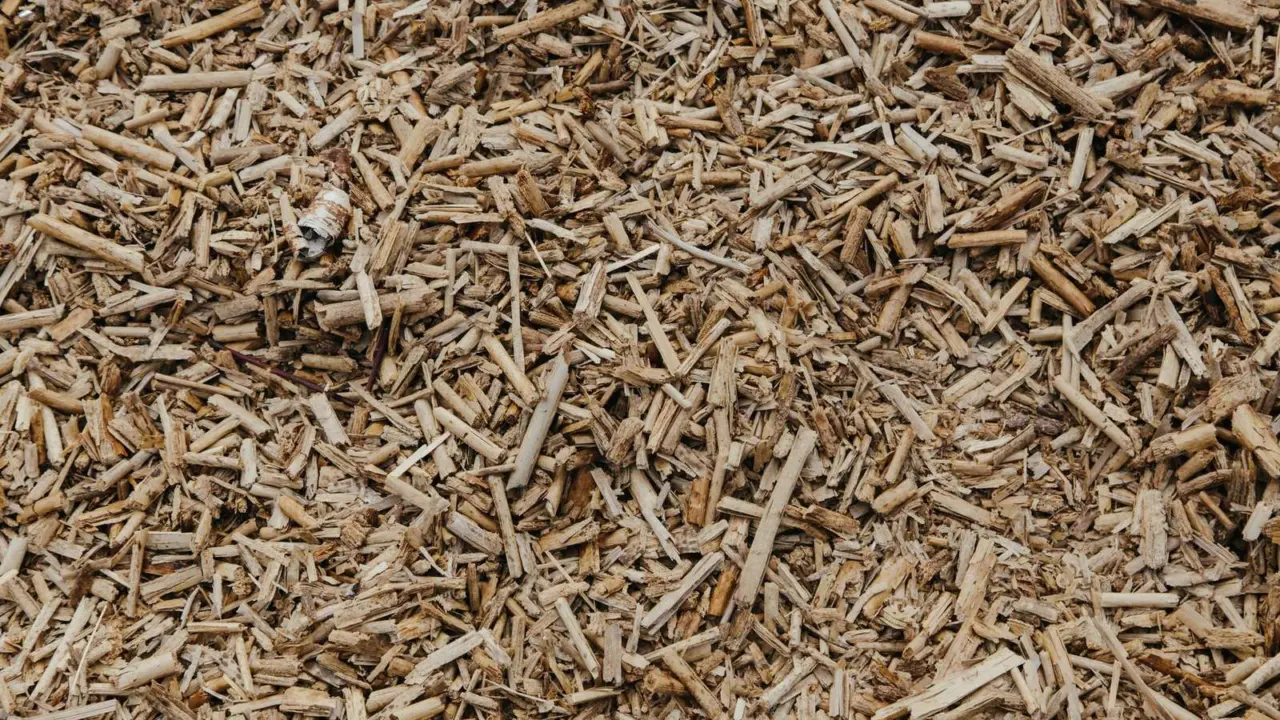
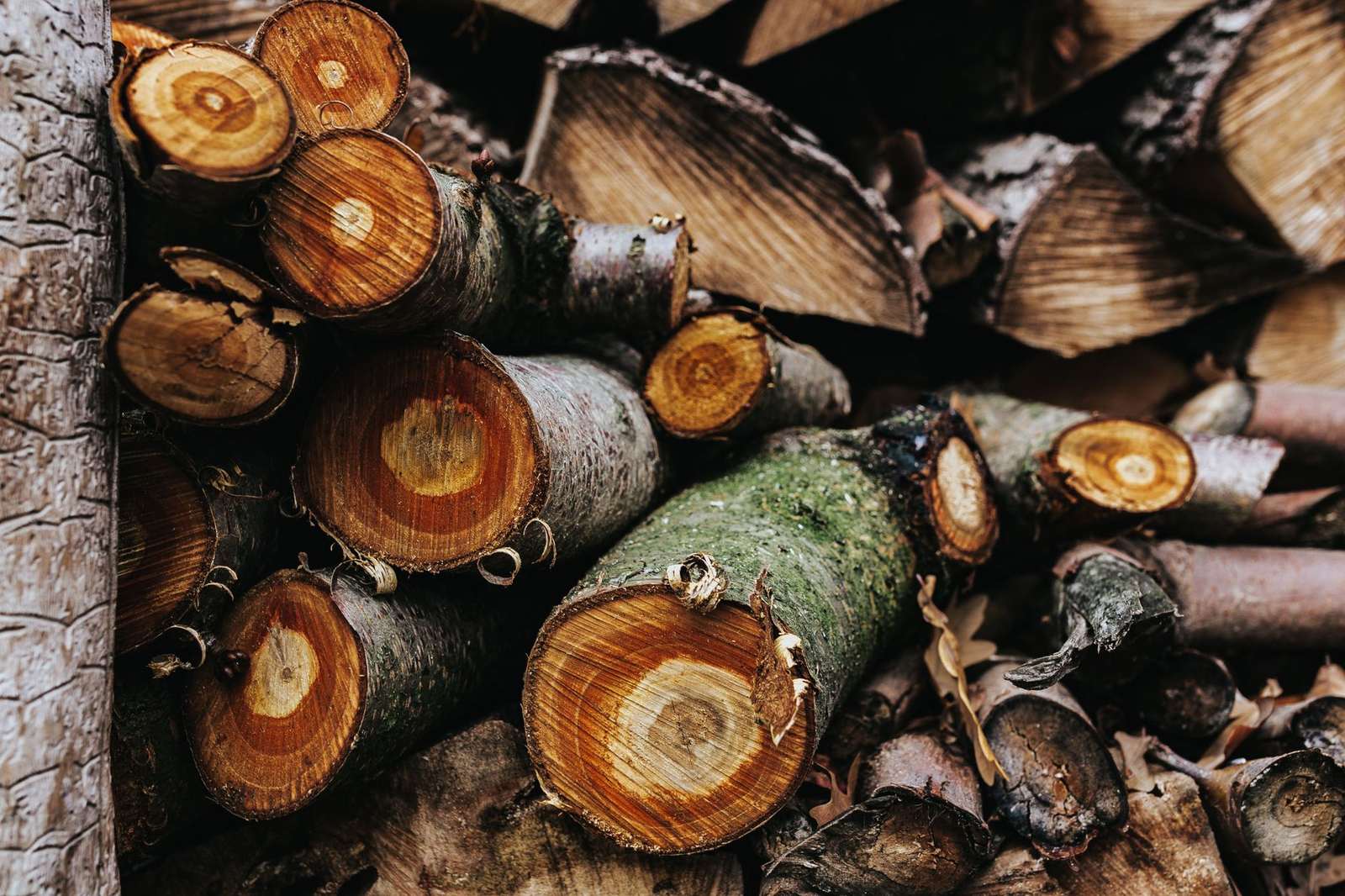
Biomass is organic material used as fuel. The U.S. Energy Information Administration (EIA) lists wood and wood processing waste, agricultural crops and waste materials, and biogenic materials in municipal solid waste as the main sources.
It can be burned for heat, converted to electricity, or turned into liquid and gaseous fuels. If you are new to the wider topic, start with what is renewable energy for the basics.
In the United States, biofuels made up 53% of biomass energy use, wood and wood waste 39%, and municipal solid waste, animal manure and sewage 8%, according to the EIA.
Advantages of biomass energy
The case for biomass rests on a few practical strengths:
- Uses waste streams. Burning municipal solid waste in waste-to-energy plants can result in less waste buried in landfills, and landfill biogas can be captured as fuel.
- Dispatchable. Unlike wind or sunshine, solid and gaseous biomass can be stored and used when demand is high.
- Flexible output. The same resource family gives heat, power and transport fuels.
- Rural economic benefit. REN21 says sustainable bioenergy can help promote energy security and price stability while stimulating rural economic activity.
- Low-carbon potential. REN21 notes that coupled with carbon capture and use or storage, bioenergy can lead to additional emission reductions and even negative emissions.
For comparison with other options, see the overview of types of renewable energy.
Drawbacks of biomass energy
The downsides are real and mostly concern pollution, cost and land. The EIA notes that wood smoke contains harmful pollutants such as carbon monoxide and particulate matter, and that burning garbage produces air pollution.
- Air pollution. Combustion releases particulates and other pollutants. The EIA says the U.S. Environmental Protection Agency has strict rules for waste-to-energy plants that require air pollution control devices.
- Cost. REN21 lists relatively high costs and challenges with market access as barriers to deployment.
- Sustainability risk. REN21 warns that bioenergy can pose sustainability risks if projects are not managed carefully, and that strong governance is essential.
- Carbon emissions at the stack. Burning biomass releases carbon dioxide just as burning fossil fuels does.
Is biomass really carbon neutral?
The EIA states that the source plants capture almost as much carbon dioxide through photosynthesis as biomass releases when burned, which it describes as making biomass carbon neutral.
Traditional versus modern biomass
Not all biomass use is alike. REN21 estimates that worldwide bioenergy use was about 44 EJ in 2020, and more than half of it, 24.1 EJ, was the traditional use of biomass for cooking and heating in developing and emerging economies.
Traditional use often means open fires or basic stoves, with the indoor air pollution that follows. Modern bioenergy, by contrast, provided 5.6% of global final energy demand in 2020, according to REN21.
When you weigh the full picture against coal, oil and gas, the trade-offs are covered in renewable energy vs fossil fuels.
Where biomass is used for heat and power
Heat is where biomass does most of its work. REN21 reports that modern bioenergy provided 14.7 EJ for heating in 2020, or 7.6% of global requirements, and two-thirds of this was used in industry and agriculture.
The U.S. pattern, as the EIA describes it, is similar. The industrial sector is the largest consumer of biomass for energy in the United States, and the transportation sector, through biofuels, was second in 2025.
- Industry: wood products and paper plants burn their own residues in combined heat and power systems.
- Transport: crops such as corn and sugar cane are converted to liquid biofuels.
- Buildings: homes and businesses use firewood and wood pellets for heating.
- Utilities and municipalities: waste-to-energy plants and landfill gas systems turn waste into power or heat.
This breadth is a strength, since biomass can replace fossil fuels in sectors that are hard to electrify. It is also a reason sourcing matters, because demand from several sectors competes for the same limited residues and land.
Weighing the trade-offs
Biomass sits in the middle of the renewable options: more dependable than wind and solar on cloudy, still days, but more polluting and less scalable than many assume.
Treat any claim that biomass is simply clean or simply dirty with caution, since both depend on the details of the project.
Policy makers face the same choice. REN21 stresses that careful project management and strong governance frameworks are essential to ensure positive outcomes.
How to judge a biomass project
A project is easier to assess with a short checklist:
- Is the feedstock a residue or waste, rather than purpose-harvested forest?
- Are air pollution controls installed and regulated?
- Is the fuel sourced locally, to limit transport emissions and cost?
- Does it avoid competing with food crops for land?
- Is there independent governance and reporting?
Residues from sawmills, farms and food processing already exist, so using them adds little new pressure on land, whereas dedicated plantations or harvested forests can change land use and carbon stocks.
The second and fifth questions are about accountability. A plant that publishes its emissions and fuel origin gives communities and regulators something concrete to check.
Frequently asked questions
Is biomass renewable?
Show answer
Yes, because plants can be regrown. How quickly the carbon is recaptured depends on the feedstock.
What is the biggest drawback of biomass?
Show answer
Air pollution from burning is the most direct one, along with sustainability risks if sourcing is poorly managed, as REN21 warns.
Does burning biomass produce carbon dioxide?
Show answer
Yes. The EIA says burning fossil fuels or biomass both release carbon dioxide. The difference is that the source plants take up carbon while growing, so the net effect depends on how quickly and how fully that carbon is recaptured.
Can biomass help reduce landfill waste?
Show answer
Yes, in some cases. Waste-to-energy plants can result in less waste buried in landfills, but they need pollution controls, and recycling or reuse may be a better first option for many materials.
Is traditional biomass the same as modern bioenergy?
Show answer
No. Traditional use means cooking and heating with basic methods and accounted for 24.1 EJ in 2020; modern bioenergy provided 5.6% of global final energy demand that year.