
Wondering how the fuel at your pump ends up containing ethanol? This renewable fuel standard explained guide has the short answer: the program sets annual renewable fuel volume obligations for refiners and importers, with compliance tracked through RIN credits.
The program is one example of policy at work in the wider field covered in the guide on what is renewable energy.
| Item | Value |
|---|---|
| Who sets the yearly volumes | EPA, through renewable volume obligations (RVOs) |
| Value of one RIN | A credit equivalent to a gallon of fuel ethanol |
| Total renewable fuel, 2026 (final rule) | 26.81 billion gallons |
| Total renewable fuel, 2027 (final rule) | 27.02 billion gallons |
| Conventional renewable fuel requirement | 15 billion gallons |
| Cellulosic biofuel, 2026 | 1.36 billion gallons |
Figures come from the Farm Bureau summary of the 2026-2027 rule and the US Energy Information Administration. They can change, so check the source before you rely on them.
What the Renewable Fuel Standard does
The Renewable Fuel Standard (RFS) is a federal program that mandates the incorporation of renewable fuels into the nation’s transportation fuel supply, according to the EIA. The Environmental Protection Agency issues rulemakings with volume requirements for certain renewable fuel categories and sets them through annual renewable volume obligations.
The targets fall on obligated parties such as refiners and importers of gasoline or diesel. In plain terms, the program creates guaranteed demand for biofuels such as corn ethanol and biodiesel.
Because the rules apply to fuel that is sold, most drivers never see them. They show up indirectly, in the blend of the fuel at the station and in the markets for the crops and waste oils that feed biofuel plants.
How RVOs and RINs work
RVOs are calculated as percentages across the four categories of RFS biofuel targets.
Compliance is tracked with Renewable Identification Numbers (RINs). A RIN is a credit equivalent to a gallon of fuel ethanol.
Obligated producers, importers and other companies register with the EPA and report the number of RINs they generate, separate, and retire for compliance.
Put simply, the system works in three layers. EPA sets the national volume targets each year. Those targets are converted into percentages across the four categories of biofuel. Obligated parties such as refiners and importers show compliance with RINs.
The 2026-2027 volumes
In its final rule, covered by the Farm Bureau, EPA finalized total renewable fuel at 26.81 billion gallons in 2026 and 27.02 billion gallons in 2027. As of that summary, these are the highest levels set under the program.
- Conventional renewable fuel stays at 15 billion gallons.
- Cellulosic biofuel is 1.36 billion gallons in 2026 and 1.43 billion gallons in 2027.
- Biomass-based diesel is 8.86 billion gallons in 2026 and 8.95 billion gallons in 2027.
- Advanced biofuel is 10.82 billion gallons in 2026 and 10.98 billion gallons in 2027.
The biomass-based diesel figures rise to 9.07 billion and 9.20 billion gallons when small refinery exemption (SRE) reallocations are counted. For advanced biofuel, the same adjustment lifts the numbers to 11.10 billion and 11.32 billion gallons.
The rule also redistributes previously exempted small refinery volumes: 0.99 billion gallons in 2026 and 1.04 billion gallons in 2027 go into future obligations. In other words, fuel that some small refineries were excused from blending is shifted onto the wider pool of obligated parties.
A useful way to read the list is by category. Conventional renewable fuel is the category that preserves demand for corn used in ethanol production. Cellulosic biofuel is the category the rule treats most cautiously, reflecting a more conservative outlook based on expected production. Biomass-based diesel and advanced biofuel are the categories where the totals shift once small refinery exemption adjustments are counted.
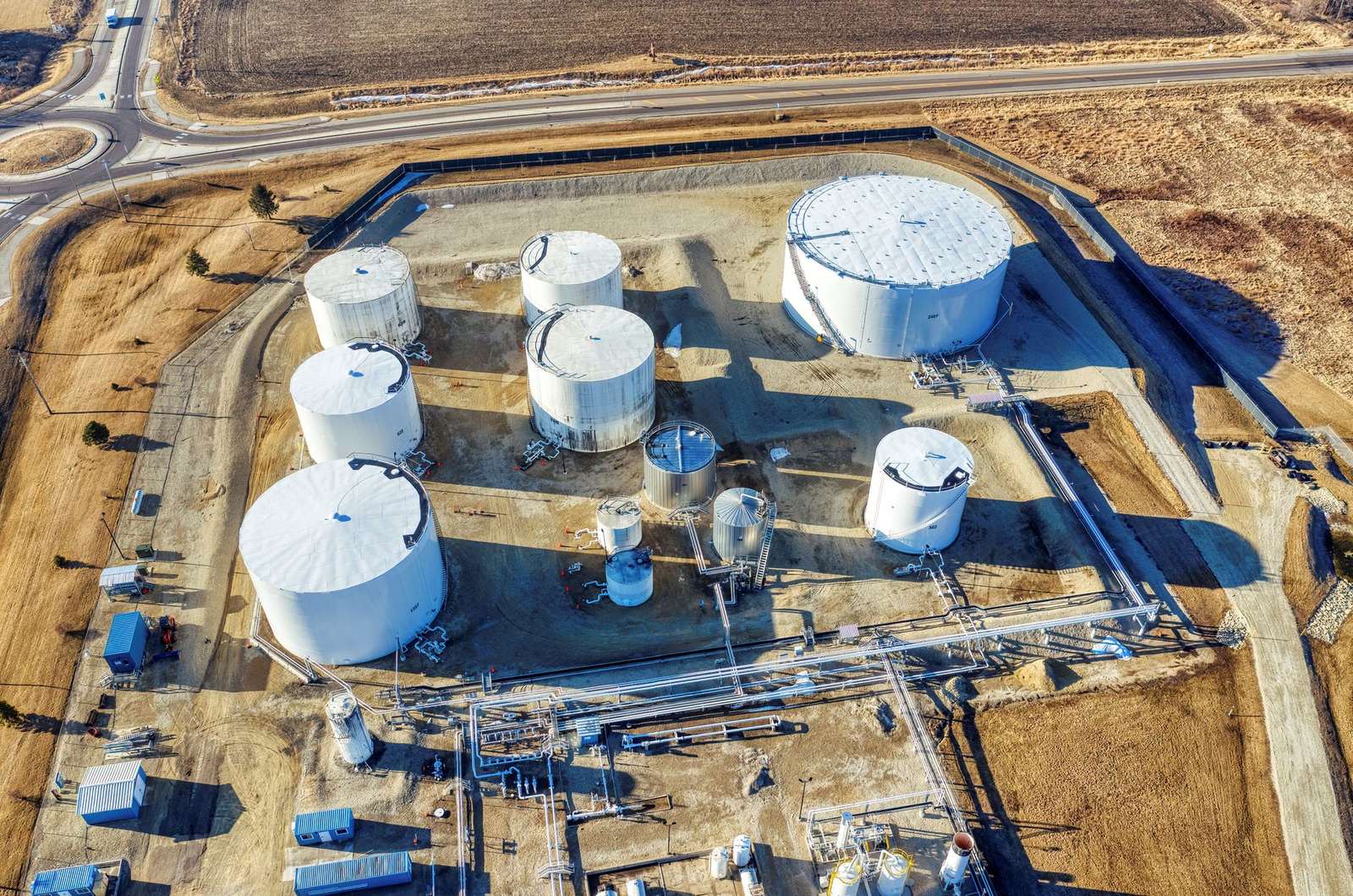
Which fuels and feedstocks the standard supports
The Farm Bureau notes that renewable fuels are produced from feedstocks such as corn, soybeans, used cooking oil and animal fats. The program therefore links energy policy directly to agriculture.
Two different stories sit inside the 2026-2027 numbers:
- Ethanol: the final rule maintains the conventional renewable fuel requirement at 15 billion gallons, preserving a key source of demand for corn used in ethanol production.
- Diesel substitutes: biomass-based diesel volumes are set at 8.86 billion gallons in 2026 and 8.95 billion gallons in 2027.
- Cellulosic fuels: volumes reflect a more conservative outlook based on expected production, which suggests these fuels are scaling more slowly than planned.
Strengths, limits and open questions
The EIA noted that, based on EPA RIN data for 2018, 95% of RINs generated under the RFS were made up of conventional biofuel (mainly corn starch ethanol) and biodiesel. That shows how much the program has rested on a few fuel types.
That share describes the mix of fuels in an earlier year, so it should not be read as a forecast for the current 2026-2027 volumes.
For related reading, see the life cycle assessment of biofuels guide. For a broader comparison of energy families, see renewable energy vs fossil fuels.
Exemptions are another pressure point. The 2026-2027 reallocation redistributes previously exempted small refinery volumes into future obligations.
How to read RFS news
RFS headlines can be confusing because the same rule is described in several units. Some summaries use gallons, while the EIA explains that RVOs are expressed as percentages across the four categories of RFS biofuel targets.
- Check the year the number applies to.
- Check the category: conventional, cellulosic, biomass-based diesel, advanced or total.
- Check whether the figure includes small refinery exemption reallocation.
- Check the date of the source, because EPA rules and court decisions can change requirements.
The EPA program pages are the authoritative reference. Trade and farm groups, such as the Farm Bureau, summarize the rule for their audiences and may emphasize the crops they follow.
Because the program is a credit system rather than a direct purchase of fuel, a headline about RINs usually concerns compliance, while a headline about volumes concerns the national targets. Keeping the two apart makes most coverage easier to follow.
Frequently asked questions
Who has to follow the RFS?
Show answer
Obligated parties, such as refiners and importers of petroleum-based gasoline or diesel fuel, according to the EIA.
What is a RIN?
Show answer
A credit equivalent to a gallon of fuel ethanol, used to show compliance.
Does ethanol still have a 15 billion gallon requirement?
Show answer
The cited 15 billion gallon figure is for conventional renewable fuel. The final 2026-2027 rule maintains that requirement at 15 billion gallons, per the Farm Bureau.
Which fuel categories grow most?
Show answer
The Farm Bureau figures show increases from 2026 to 2027 in biomass-based diesel, advanced biofuel and cellulosic biofuel volumes, while the conventional renewable fuel requirement stays at 15 billion gallons.