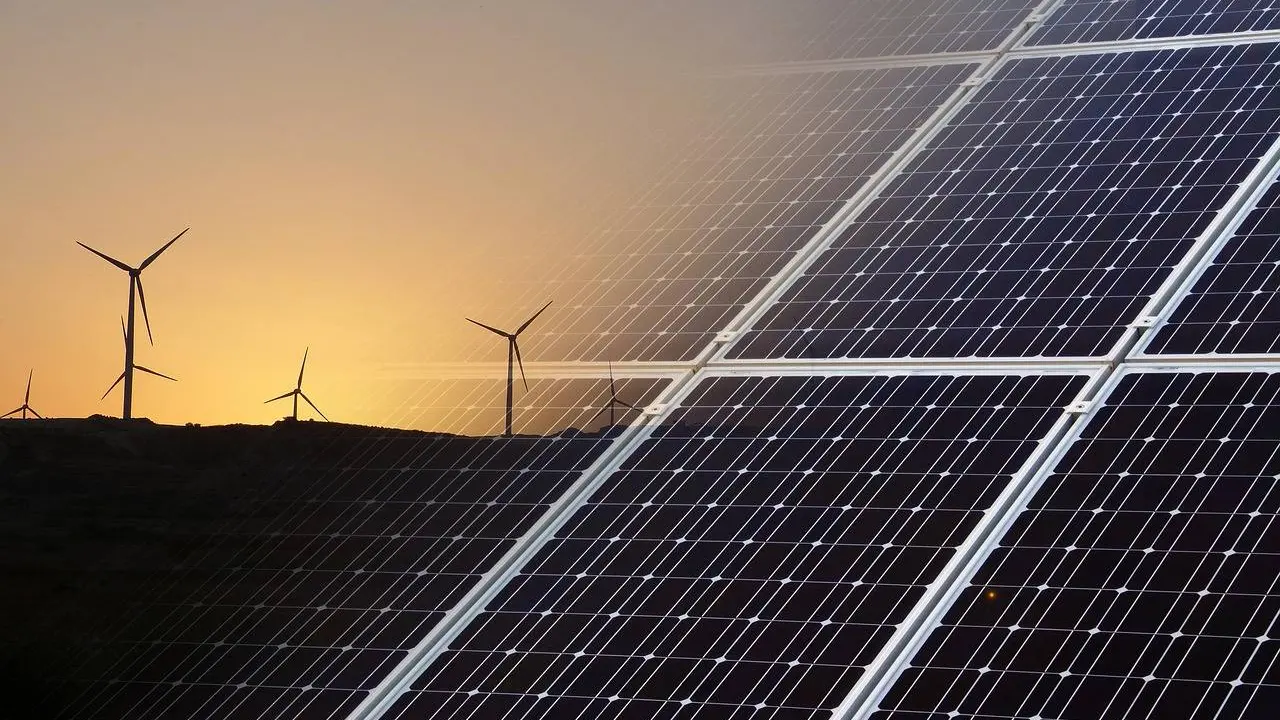
Trying to tell solar from wind from biomass? The main types of renewable energy are biomass, hydropower, geothermal, wind and solar. Each taps a different natural source and suits different jobs.
This guide builds on what is renewable energy and compares each type side by side.
| Item | Value |
|---|---|
| Major renewable source groups listed by the EIA | Biomass, hydropower, geothermal, wind, solar |
| Renewables’ share of total U.S. energy consumption, 2023 | About 9% |
| Renewable energy consumed in the U.S., 2023 | 8.2 quadrillion British thermal units |
| Renewables’ share of U.S. electricity generation, 2023 | About 21% |
| Share of U.S. renewable consumption used by the electric power sector, 2023 | About 39% |
These figures come from the U.S. Energy Information Administration’s renewable energy overview, last updated September 13, 2024. Numbers change with each data release, so check the source before you rely on them.
What counts as a type of renewable energy?
A renewable source is one that nature replenishes on a human timescale: sunlight, wind, flowing water, heat from the earth and plant material. The EIA groups the major types as biomass, hydropower, geothermal, wind and solar. Biomass is split further into wood and wood waste, municipal solid waste, landfill gas and biogas, and biofuels.
The groups differ in what they produce. Some mainly make electricity, some make heat, and some make liquid or gaseous fuels. That difference matters when you compare them.
Solar energy
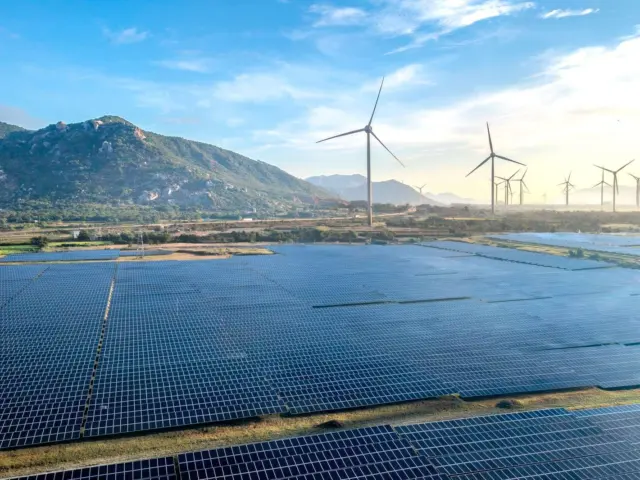
The EIA says solar energy systems use radiation from the sun to produce heat and electricity. It describes three basic categories:
- Photovoltaic (PV) systems, which convert sunlight directly into electricity.
- Solar thermal heating, which uses collectors to warm water or air.
- Solar thermal power plants, which concentrate the sun’s rays to heat a fluid for generating electricity.
Solar output follows daylight and weather, so it is variable. Panels work at small scale on a rooftop or at large scale in a power plant, which makes solar flexible to site.
Wind energy
Wind turbines convert the motion of air into electricity, and they are usually grouped together in wind farms. Wind is also variable, since output depends on how hard the wind blows. Turbines can share land with farming, which is one reason wind farms often sit in rural areas.
Good wind sites tend to be open land or offshore, which are often far from where people live. That raises the importance of transmission lines and storage.
Hydropower, geothermal and biomass compared
These three are often easier to dispatch than solar or wind, though each has its own limits. The table below sets out how they differ.
| Type | Natural source | Typical output | Main limit |
|---|---|---|---|
| Hydropower | Flowing water | Electricity | Depends on flowing water |
| Geothermal | Heat from the earth | Electricity, heating and cooling | Best resources are in specific regions |
| Biomass | Plant and waste material | Heat, electricity, fuels | Depends on feedstock supply and sourcing |
The descriptions here follow the EIA’s types and usage page. The limits in the last column are general editorial summaries, so check the source and local conditions before you rely on them.
Hydropower
The EIA defines hydropower as electricity produced from flowing water. In the United States, it notes, most hydropower comes from large facilities built by the federal government.
Geothermal
Geothermal energy from deep underground is used to generate electricity. Closer to the surface, the near-constant temperature of the earth is used in geothermal heat pumps for heating and cooling buildings.
Biomass
The EIA lists three main types of biomass energy: biofuels, municipal solid waste and biogas, and wood. It also says wood is the second-largest source of renewable energy in the United States. If you want the trade-offs, read biomass energy pros and cons.
Biogas is made when microbes break down organic matter without oxygen. The steps are covered in how does anaerobic digestion work.
How the types differ in practice
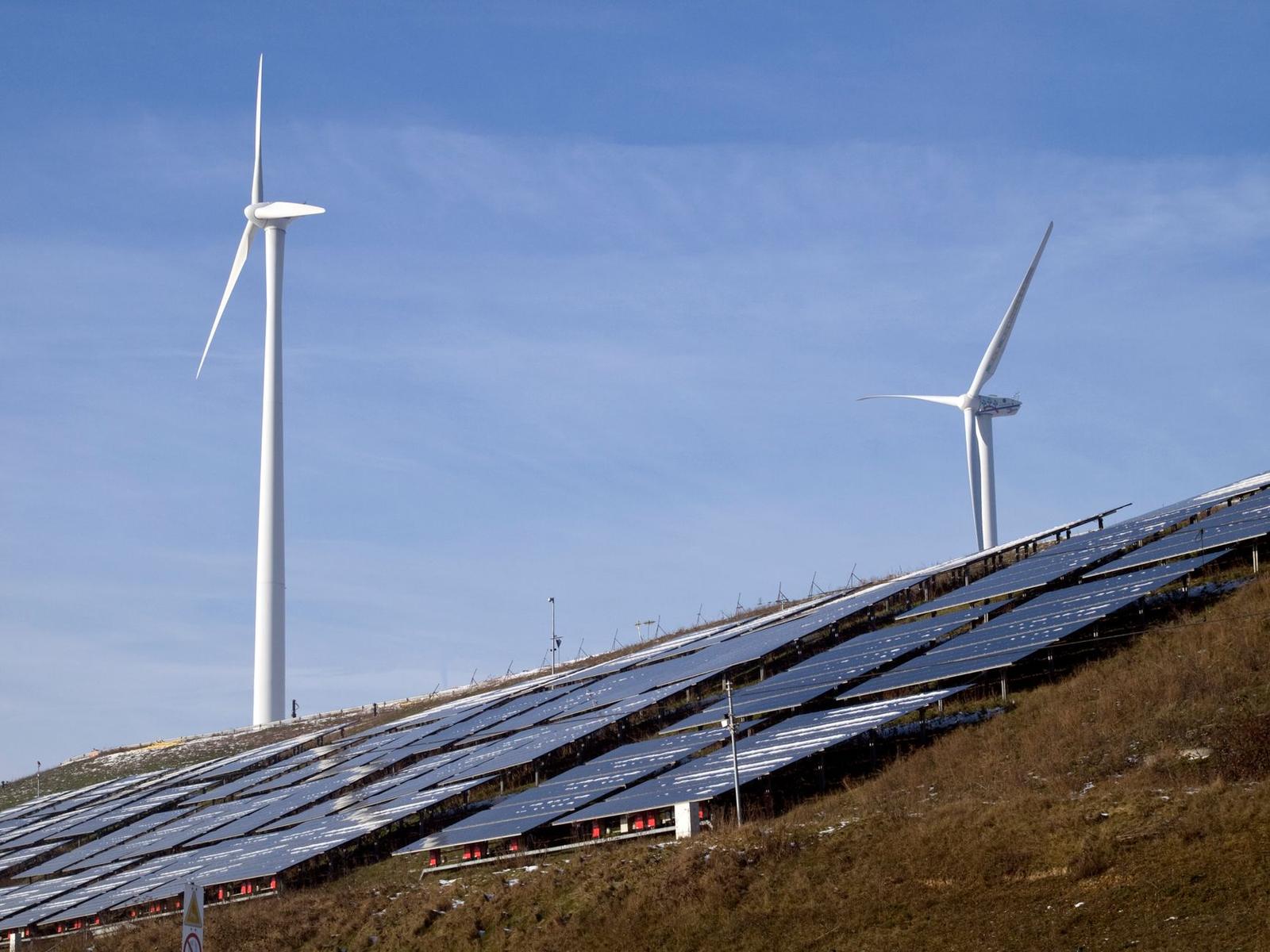
Variable sources such as solar and wind need backup, storage or flexible grids to match demand. Hydropower, geothermal and biomass can be run more steadily, depending on the site and fuel supply.
Use also differs. Biofuels are mostly used as transportation fuels in the United States, with ethanol the largest share, according to the EIA. Solar thermal and geothermal heat pumps serve buildings directly, without producing electricity first.
Scale matters as well. Renewables provided about 9% of total U.S. energy consumption in 2023 but about 21% of electricity generation.
Trade-offs worth weighing
Every type has costs as well as benefits. Looking at them side by side helps you judge claims that one source is simply “the best”.
- Land and space: solar farms and wind farms need open land or sea area, while rooftop solar uses space that already exists.
- Water and ecosystems: dams change rivers and the life in them, so hydropower projects need careful assessment.
- Location: geothermal power depends on suitable heat underground, which is not available everywhere.
- Feedstock: biomass depends on a steady and responsibly managed supply of wood, waste or crops.
- Grid fit: variable sources add pressure on grids unless storage, backup or demand management is in place.
None of these points rules a type out. They explain why planners usually combine several types instead of relying on one.
Why a mix of sources is common
A diverse mix spreads risk. When the sun is weak, wind or hydropower may fill the gap, and steady sources such as geothermal can cover the base of demand.
Heat and fuel needs add another layer. Buildings can use solar thermal or geothermal heat pumps, while vehicles and industry often look to biofuels or biogas. That is why the EIA overview covers fuels and heat as well as power plants. Reading only electricity statistics would hide a large part of how renewables are actually used.
The mix also changes with place. A mountainous region may lean on hydropower, a sunny dry region on solar, and a farming region on biogas from manure and crop residues.
How to choose between them
No single type is best everywhere. The right mix depends on local resources, the energy form needed, cost and the existing grid.
- Identify the need: electricity, heat or fuel.
- Check the local resource: sun, wind, water, ground heat or biomass supply.
- Consider variability and how it will be covered.
- Look at land, water and sourcing impacts for that site.
Frequently asked questions
What are the main types of renewable energy?
Show answer
The EIA lists biomass, hydropower, geothermal, wind and solar as the major types, as of its overview last updated September 13, 2024.
Which type is the most reliable?
Show answer
Hydropower, geothermal and biomass can generally run more steadily than solar and wind. Reliability still depends on the site, the water or fuel supply and the grid.
Is biomass really renewable?
Show answer
It can be, because plant material regrows. How renewable it is in practice depends on how the feedstock is sourced and managed.
Why does the source matter when comparing figures?
Show answer
Shares differ by country, year and measure. A share of electricity is not the same as a share of total energy, as the 2023 U.S. figures above show.
Do all renewables make electricity?
Show answer
No. Biofuels serve transport, and solar thermal and geothermal heat pumps provide heating or cooling directly.